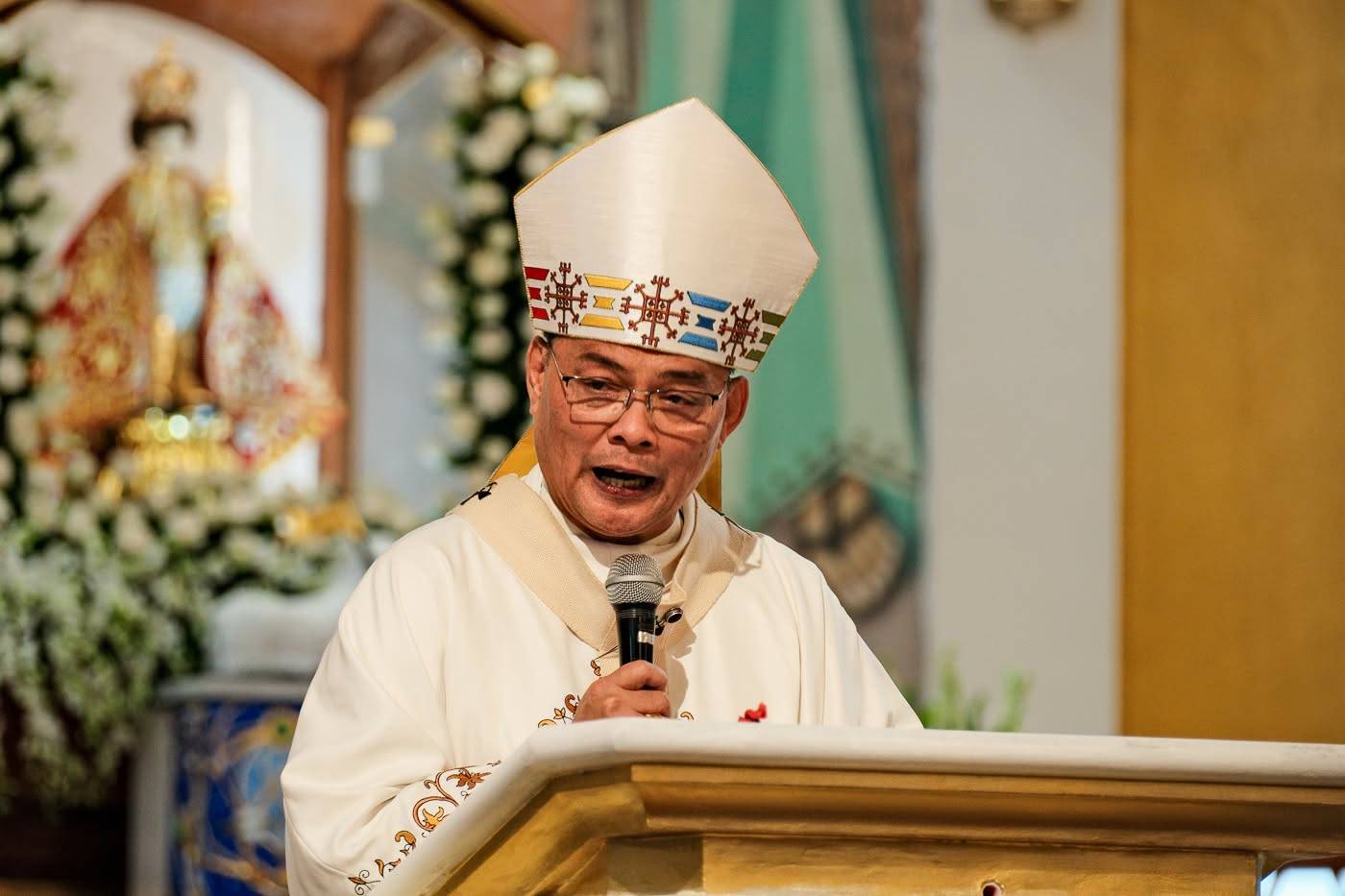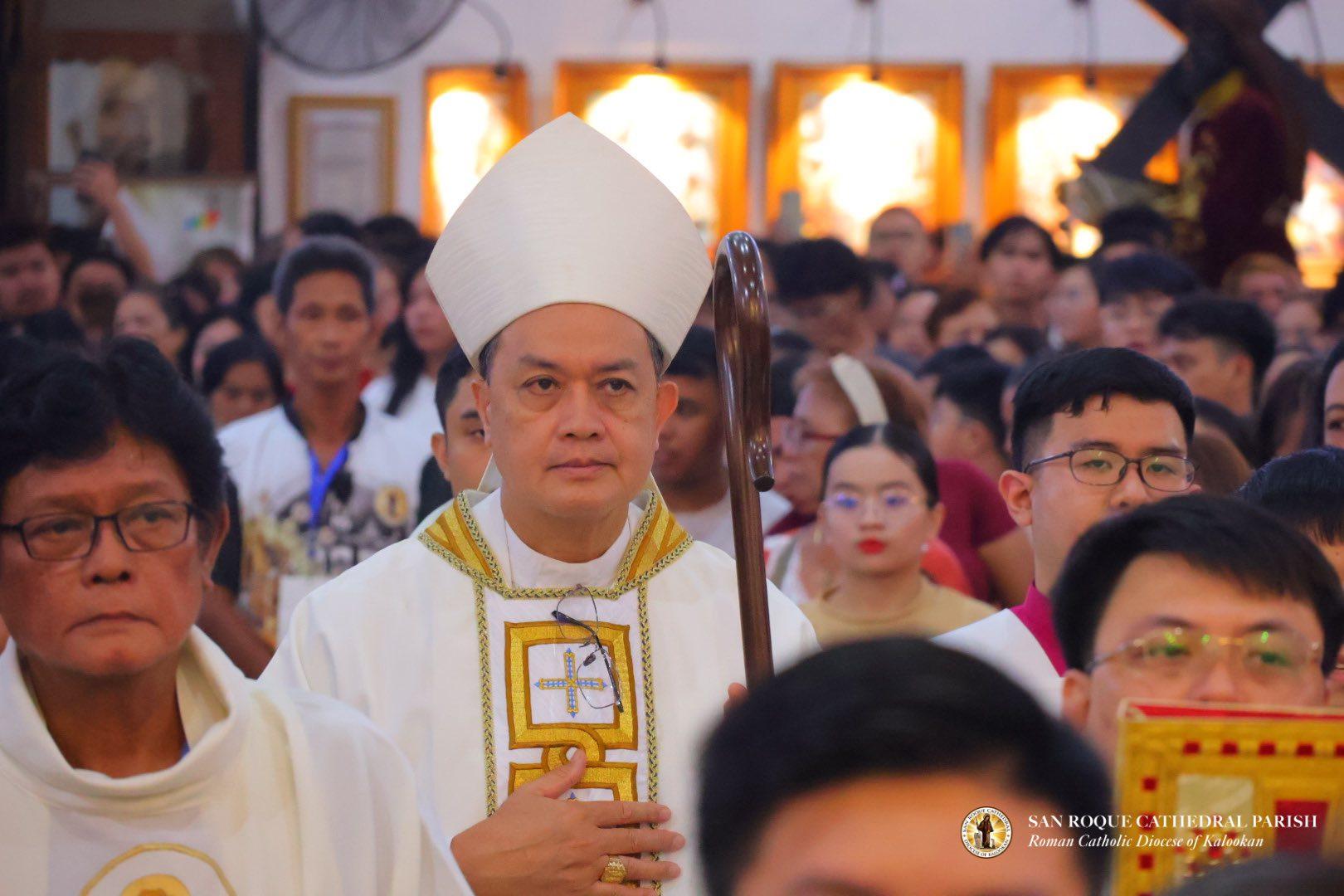
MANILA, Philippines – Cardinal Pablo Virgilio David warned Philippine Congress that failing to pass laws against corruption and political dynasties could ignite public outrage in the new year.
“I do not think it will be a pleasant year for legislators to remain in office if public trust continues to erode,” David told Crux on Friday.
“When people lose confidence in democratic institutions, the danger is not merely protests but something far more serious: the temptation to abandon constitutional processes altogether, which can plunge a country into instability and chaos,” said the cardinal.
David, 66, is one of three active cardinals in the Philippines and has served as bishop of Kalookan since Jan. 2, 2016. Friday was his 10th anniversary as head of his diocese.
The Jesuit-trained cardinal, who led the Catholic Bishops’ Conference of the Philippines from 2021 to 2025, rose to prominence for criticizing the war on drugs of former president Rodrigo Duterte. He is now at the forefront of a massive anti-corruption campaign led by religious and civil society groups.
His statements come as the country faces its worst corruption scandal in recent history: The plunder of billions of pesos in flood control projects, implicating allies of both President Ferdinand Marcos Jr. and Vice President Sara Duterte. A bitter feud between Marcos and Duterte, who are former political allies, has made the political situation even more volatile.
Speaking to Crux, David said that Filipino lawmakers “will remain in the hot seat” for as long as the flood control scandal “is not fully investigated and the perpetrators are not held accountable.”
“The real question, therefore, is whether our legislators are willing to show good faith — by passing laws that run counter to their own patronage interests, responding to the popular clamor to end political dynasties, and restoring credibility through genuine accountability. Only then can public trust — and a hopeful new year — be realistically reclaimed,” he said.
David had also recently posted a brief commentary on Facebook on Dec. 29, 2025, about a Pulse Asia survey on political dynasties and a proposed anti-corruption body. He said that “the people have spoken” and told lawmakers to “please heed their voice if you still want to look forward to a happy new year.”
The Pulse Asia survey showed that 54 percent of Filipinos want Congress to “immediately pass a law banning political dynasties.”
In the Philippines, political dynasties are families who pass political power from one generation to another or hold various offices simultaneously.
A 2022 study by the Jesuit-run Ateneo School of Government said that nearly 80 percent of Congress and over half of elected local officials come from political families. Marcos and Duterte themselves hail from political dynasties and are children of former Philippine presidents.
Various studies show that political dynasties worsen poverty and inequality in the Philippines. Such arrangements persist, however, as clans secure votes through bribes or financial assistance.
The 54 percent who favor an anti-dynasty law, in fact, is only a “small majority” as the survey firm itself said.
David, however, said that this figure is significant “especially in a country where a large portion of the population is preoccupied with daily survival.” He said it is unrealistic, in such conditions, to expect “overwhelming support for structural political reform.”
“Political dynasties are a cultural remnant of our feudal past. We cannot expect those who depend on this system for immediate assistance or protection to readily support its dismantling,” said David.
He said it is most striking, however, that “moral outrage over corruption remains consistently high,” even if many Filipinos are not fully aware of the evils of dynastic politics. He acknowledged the need to engage the “other half of the population,” but “there is no quick or easy formula.”
“What is needed is transformative leadership — from the Church, civil society, and political institutions alike — that patiently forms consciences, changes mindsets, and empowers citizens to see themselves not as beneficiaries of favors but as participants in shaping the nation’s future,” the Filipino cardinal said.