MUMBAI, India – As I received the painful devastating news of the passing of John L. Allen Jr., my Editor in chief at Crux, I found it providential, that Jesus called John home on the anniversary of the horrific burning alive of Graham Steins and his two young sons in the Odisha state of India.
The modern-day Martyrs of Odisha – John’s term – had an intense place in John’s heart. Writing for the Boston Globe, John visited India together with Inés San Marin – Crux‘s Rome Bureau Chief – to see firsthand the precarious situation in which Christians live and practice their Faith.
I was his “fixer,” and we travelled to Odisha meeting with the widows of the Christians killed for the Faith. I was surprised to see John’s expression, listening to the widows share the horrific stories of the martyrdom of their husbands. At one point, he held his head in his hands, deeply moved and shocked by the “savagery” which, according to John, seemed more at home in the early church, or the Middle Ages, than in the post-modernity.
In February 2014, John testified before a U.S. House subcommittee regarding violence in Odisha – backed by his analytical skills – documenting the destruction and interviewing the victims. John described the anti-Christian violence in Odisha as the “worst anti-Christian pogrom of the 21st century,” noting it was carried out by Hindu nationalists.
Speaking tenderly to Sister Meena Barwa – who was violated in the large-scale anti-Christian persecution – learning that she was studying Law, John expressed confidence in her legal acumen, assuring Sister Meena that he would engage her legal services, if he required one.
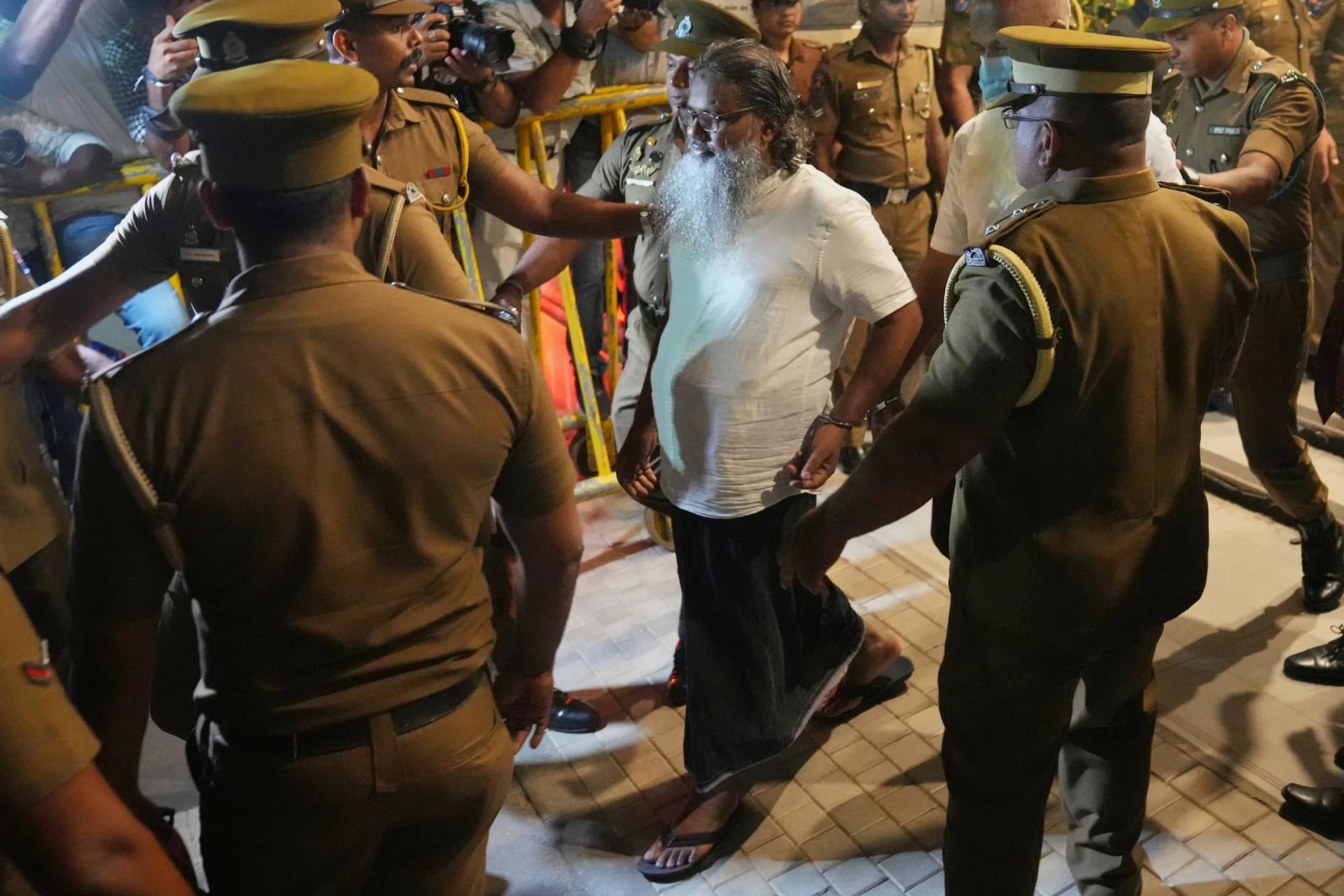
Globally respected for his objective and balanced reporting, while speaking, to the Rev. Chander Mani Khanna, the CNI pastor from Srinagar who spent 14 days in police custody in 2011 for the alleged crime of baptizing people into the faith, John understood that the miniscule Christian community in India faced persecution even from its Muslim minority.
John was the boss with professional tenacity, theological insights and encyclopedic knowledge all generously peppered with kindness. With his excellent editorial skills and mastery of the English language, John made my copy read extremely well, getting me underserved appreciation.
John had zero tolerance for error: He took the fall for his journalists; at least in my case, he did so. Reporting extensively on the tumultuous period of the Syro-Malabar Church, one of my sources was a respected and esteemed priest – against whom a criminal case was filed. My failure to disclose this fact was brought to his notice by Archbishop Joseph Pamplany, who chaired the church’s Commission for Media. John wrote a lengthy article on the Crux site – an apology for a Crux failure in editorial judgment.
In my arrogance, I was upset at the prominent front and center space given to the apology… The noble boss that John was, calmly explained his tenets of responsibility and visibility. We have to make sure that it takes central place, it must not be hidden away. That was the greatness of John: he was ethical and transparent.
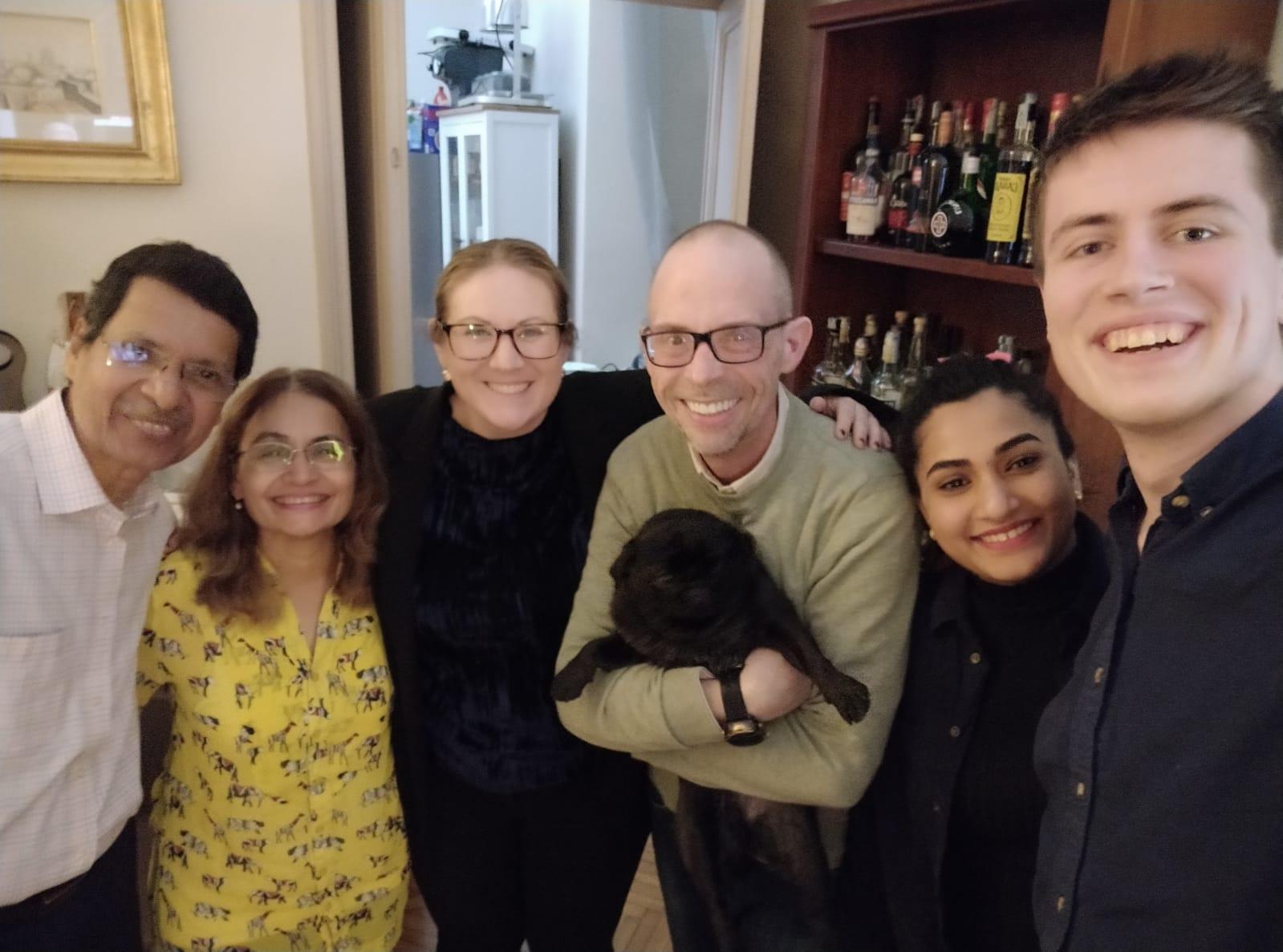
During my annual visits to Rome, accompanying my husband who was a member of the Pontifical Academy for Life, we were welcomed into the beautiful home of John and Elise.
In spite of their hectic schedule, John whipped up a very lavish four-course Michelin star Italian cuisine with choicest red and white wine, as we enjoyed the off-record conversations. Post lunch, as we gorged on the dessert topped with caramel sauce from Brazil, he joyfully serenaded his beautiful wife, as my son accompanied him on his Spanish guitar. That was John, giving himself completely – nothing was more important than the present moment.
Later, my daughter and son-in-law were his guests. This time, even though he was ailing, they were warmly welcomed and hosted.
John was passionate about telling stories and encouraged me to dive deep into the facts, engaging multiple perspectives and to verify with multiple sources. He encouraged me to look beyond, to investigate historical perspective, and said contextualization was key.
On May 12, 2025, in Paul VI Hall in the Vatican, the newly elected Pope Leo XIV was greeting journalists. When the new pontiff shook hands with John and Elise, they received thunderous extended applause from the other journalists present for the audience. Watching live from the comfort of my home, I texted John complimenting him on being held in high esteem by his fraternity. John replied, as only John could, “That’s because I’ve been along for so long.” Humble, unassuming, and kind to the end.
John Donne’s sonnet concludes, “Death, thou shalt die.” John has passed on, but his legacy will inspire generations of writers.
Farewell Boss. Thank you!