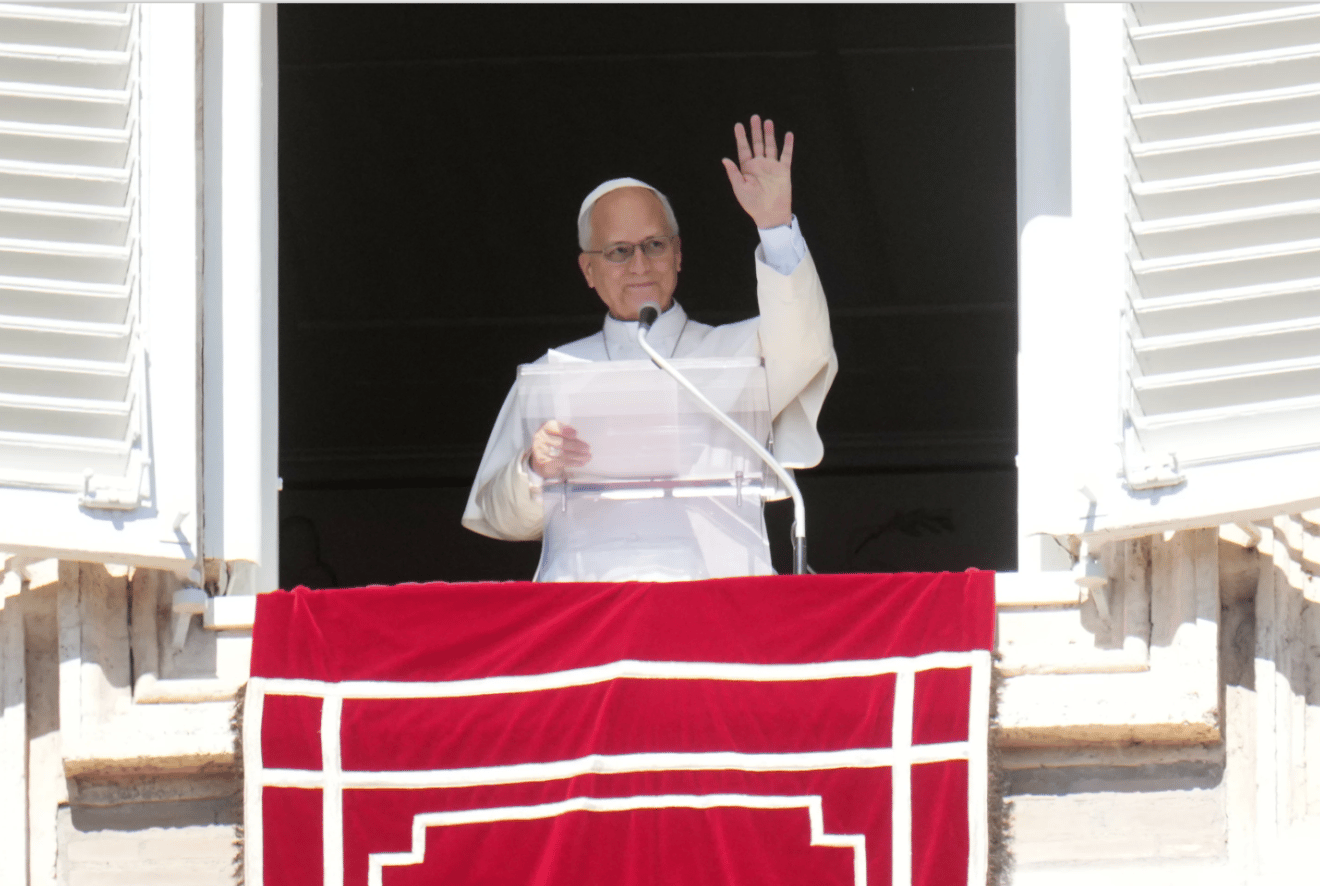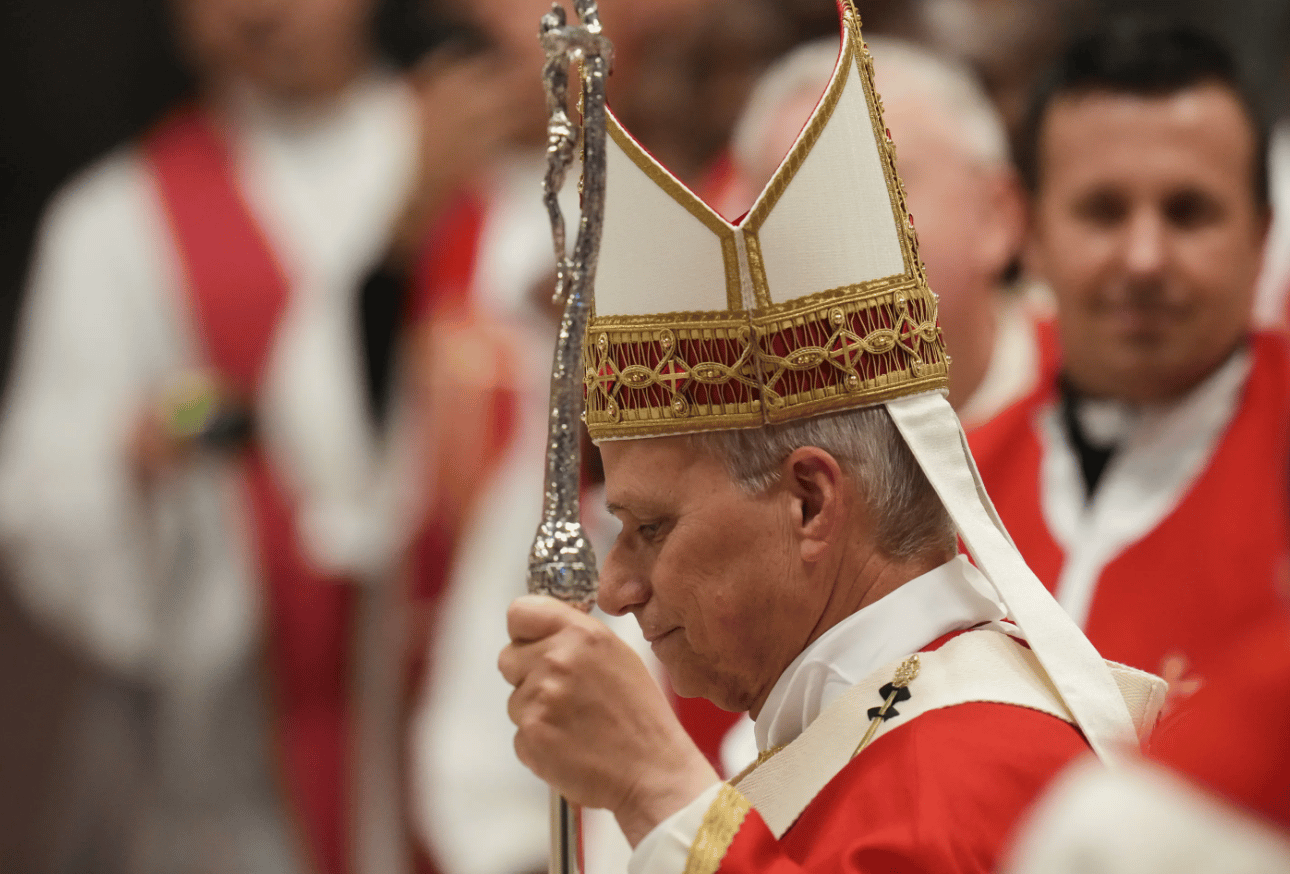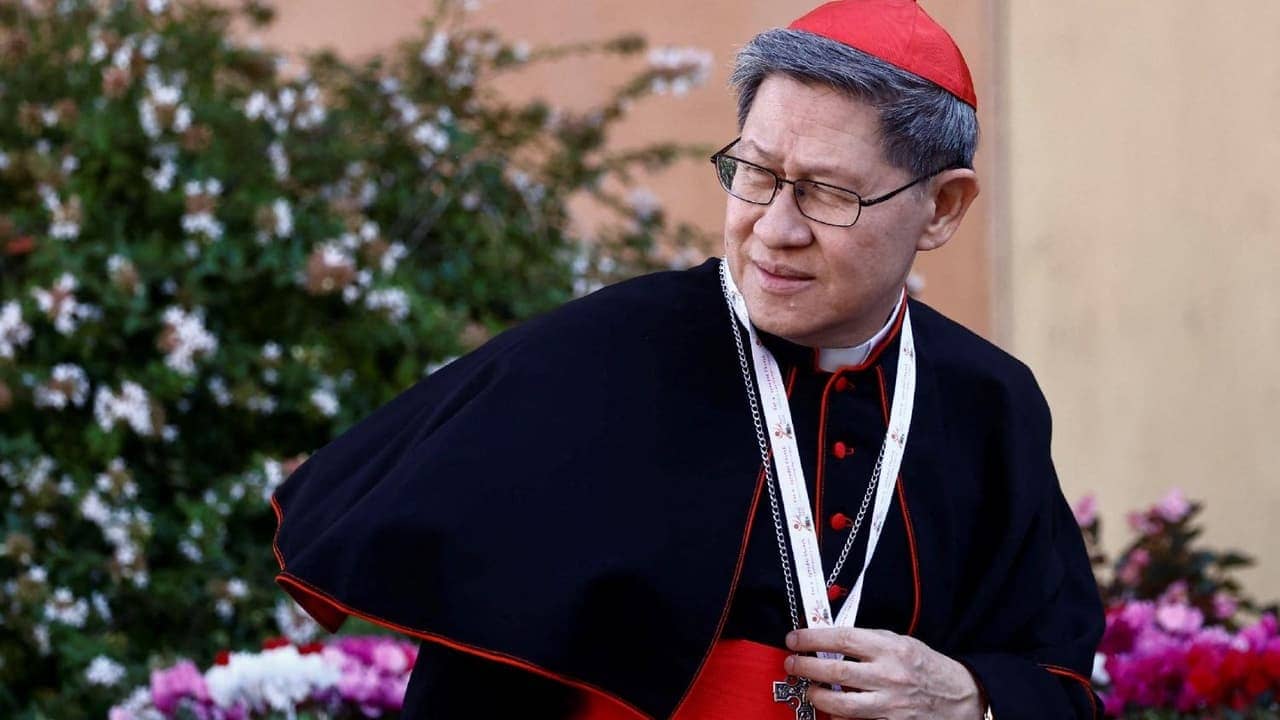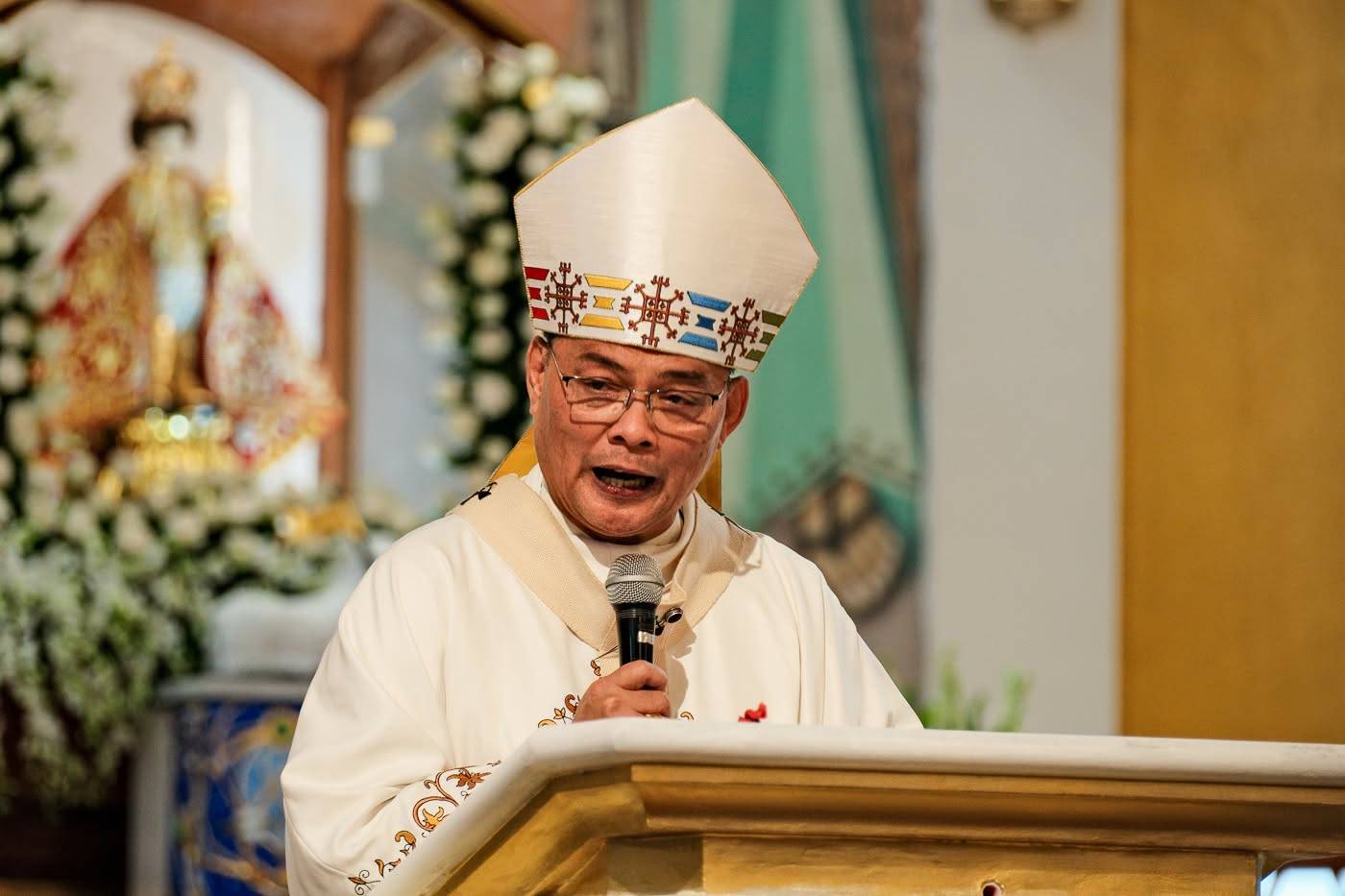
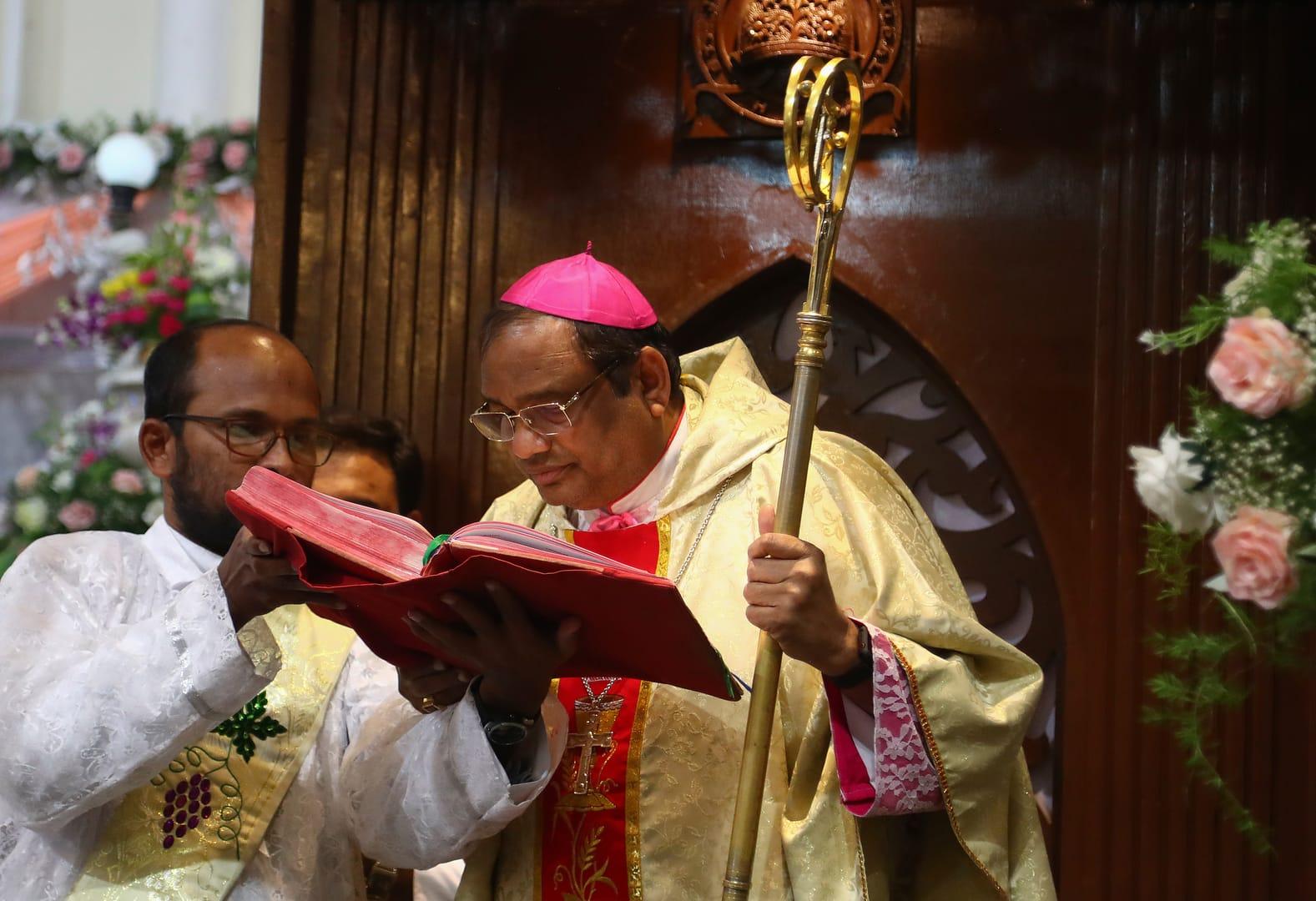
The Catholic Bishops’ Conference of India has elected Cardinal Anthony Poola of Hyderabad – the nation’s first Dalit cardinal – to be the next conference president.
The election of Poola, a member of the Dalit or “outcast” group comprising people in the lowest stratum of traditional Indian society, is another major milestone for the conference and for India.
Derived from a Sanskrit word meaning “broken” or “crushed” and referring to people outside the traditional four-tier caste system of Hindu society, “Dalit” is a label worn by people who for centuries have been systematically exploited and subject to atrocities.
India officially abandoned the caste system in its constitution of 1948 and introduced affirmative action programs and resources to help the historically marginalized.
In an interview with Vatican News when he received the red hat in 2022, Poola spoke of significant progress for Dalits and other marginalized groups, as well as ongoing struggles.
“There are some people who are really fighting for recognition of their talent and the different activities they are doing,” Poola said.
Poola, in fact, is also the first Telugu-speaking cardinal, a language spoken by nearly 100 million people native to India’s Andhra Pradesh and Telangana states in India’s southeast.
The chairperson of the CBCI Office of Scheduled Caste & Scheduled Tribes, Bishop Sarat Chandra Nayak of Berhampur, told Crux the election – by secret ballot – is a clear sign of the confidence and esteem Poola enjoys among the hierarchy.
“Bishops have sent a clear and prophetic message to those who still have the tail of casteism with them (both perpetrators and victims),” he said, “that Dalits and Tribals can be leaders in the Church at all levels.”
“There is no partiality in God,” he said.
In a message on his election as conference president, Poola thanked God “for the trust” placed in him by his “brother bishops,” and expressed gratitude “to each bishop for this confidence and for the spirit of communion,” with which they have entrusted to him this new responsibility.
“I also thank the People of God across the country for their prayers, goodwill, and trust in my leadership,” Poola also said.
“I receive this office with humility,” Poola said, “conscious that leadership in the Church is a service rooted in listening, prayer, and shared discernment.”
Poola also committed himself to work with other newly-elected officials “for the unity of the Churches in India, the unity of Christians, and a deeper unity with the people of our nation.”
“In a time marked by division, violence, and growing social tensions,” Poola said, “the Church is called to be a sign of reconciliation, dialogue, and hope.”
Additionally, to Crux, Poola said, “May God Bless the Church in India and our beloved country.”
Poola was elected on Saturday, February 7, during the CBCI’s 37th general body meeting at St John’s Medical College, Bengaluru, southern India, under the theme, “Faith and the Nation: The Church’s Witness to India’s Constitutional Vision,” highlighting the Church’s commitment to constitutional values and its role in the socio-political life of the country.
Cardinal Poola will succeed Archbishop Andrews Thazhath of Trichur, a bishop of the Syro-Malabar Church, who held the post for four years that saw their share of tumult.
The plenary meeting brought together bishops from India’s three ritual Churches – Latin, Syro-Malabar and Syro-Malankara.
“With his election as President of the CBCI,” the conference said in a press statement, “Cardinal Poola Anthony assumes leadership of the Catholic Church in India at a crucial moment.”
The statement notes Poola’s “decades of pastoral experience, administrative leadership, and a strong commitment to the Church’s mission in service of faith, justice, and human dignity.”