India’s Supreme Court dismissed a plea challenging restrictions imposed on Christian missionaries and pastors seeking to enter certain tribal villages in Chhattisgarh early this week, drawing a strong response from a leading Catholic prelate and raising broad questions about religious liberty.
On Monday, the Supreme Court upheld a lower court order in which the judges offered sweeping observations about religious conversions allegedly carried out through “inducement” and “manipulation” in the villages affected by the ruling, as well as on the impact such conversions have on social harmony and tribal cultural identity.
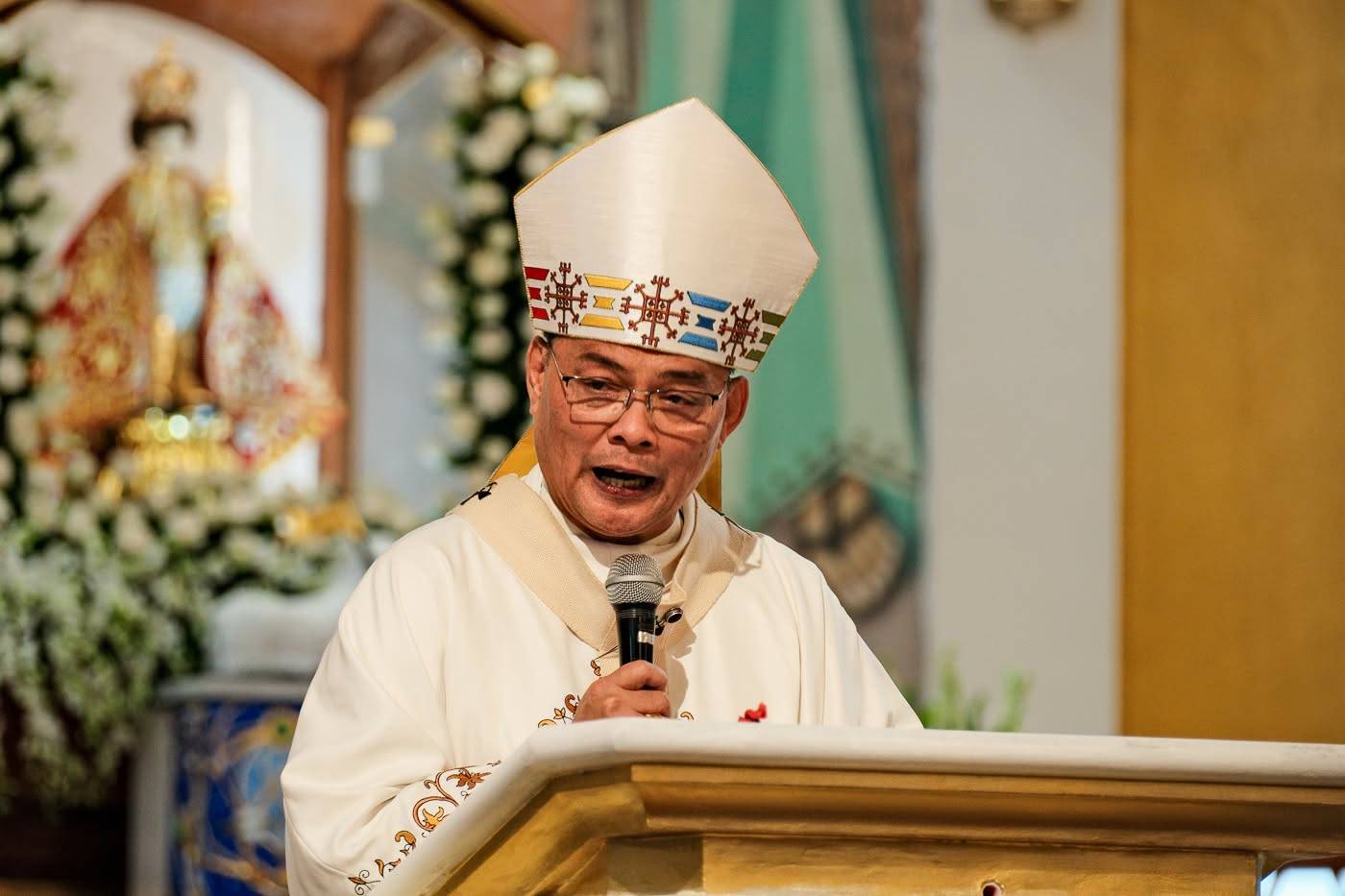
“It is unfortunate that the Supreme Court dismissed the plea,” Archbishop Victor Henry Thakur of Raipur told Crux.
Thakur, who is also the president of the Catholic Bishops’ Council of Chhattisgarh, said the lower court ruling seemed “very discriminatory, as it violates the constitutional rights of citizens to free movement and right to propagate religion.”
The reason for the Supreme Court’s dismissal of the plea, however, appears to be at least in part procedural rather than substantive.
“I am told that the plea was dismissed by the Supreme Court partly because petitioners did not first exhaust statutory remedies available,” Thakur also told Crux.
The case arose from a Chhattisgarh court order rejecting a plea concerning resolutions passed by elected village councils in certain tribal areas, allegedly banning the entry of Christian pastors and tribal converts into villages, ostensibly intended to prevent the religious conversion of villagers through coercion or inducement.
Billboards posted pursuant to the actions stated that entry of pastors and priests was prohibited under local law.
A bench of Justices Vikram Nath and Sandeep Mehta asked petitioner Digbal Tandi, who had challenged the high court order, to approach the local district administration for relief.
Tandi had argued that the signs amounted to segregation and discrimination against members of the Christian community.
In October of last year, a lower court ruling had found the billboards “cannot be termed unconstitutional” because they were intended to prevent “forcible conversion by way of allurement or fraudulent means.”
The lower court also held that the billboards appeared to have been installed “as a precautionary measure to protect the interest of indigenous tribes and local cultural heritage.”
The list of villages in the petition are are Kudal, Parvi, Junwani, Ghota, Ghotiya, Havechur, Musurputta and Sulangi.
On Monday, a Supreme Court bench of two justices declined to interfere with the lower court order, saying it granted liberty to the petitioners to approach the statutory authority.
The lawyer for the petitioners, however, argued that the lower court had made observations on missionary activities in Adivasi areas without material on record.
The petitioners’ attorney also questioned why his clients should have to approach the same local council that made the rule they were challenging or any other body before seeking judicial relief.
Even only on paper, Indian law regarding religious liberty in the majority-Hindu country of 1.4 billion people is complex and nuanced, from the constitutional rules to federal statutes, state-level legislation, and local ordinances.
Currently, 10 of India’s 28 states enforce laws restricting religious conversion by misrepresentation, force, undue influence, coercion, allurement, fraud, or marriage contracted for the sole purpose of unlawful conversion.
Observers say the enforcement of many of these laws has stiffened under the rule of the Hindu nationalist BJP. 7 of the 10 states with such laws on the books have BJP members as chief ministers.
Existing anti-conversion laws often require government officials to review conversions.
Some of the laws provide fines and even imprisonment for anyone found to have used force, fraud, or “inducement” to convert another citizen.
Hundreds of Christians and Muslims have been arrested under these laws, which critics contend are at times used to harass and imprison members of religious minority groups.