Tribal converts to Christianity fighting in federal court to secure the final resting places of their fellows in India’s Chhattisgarh state won a significant battle last week, but their saga is far from over.
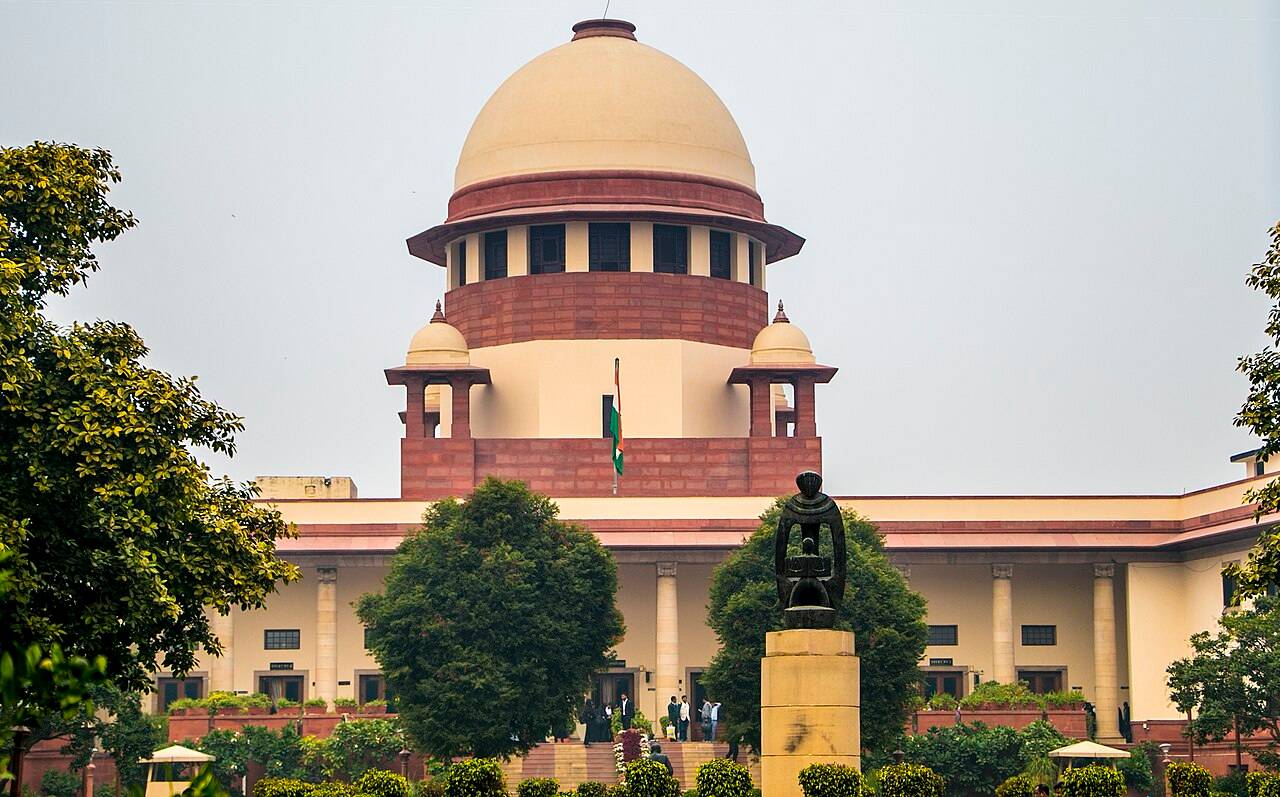
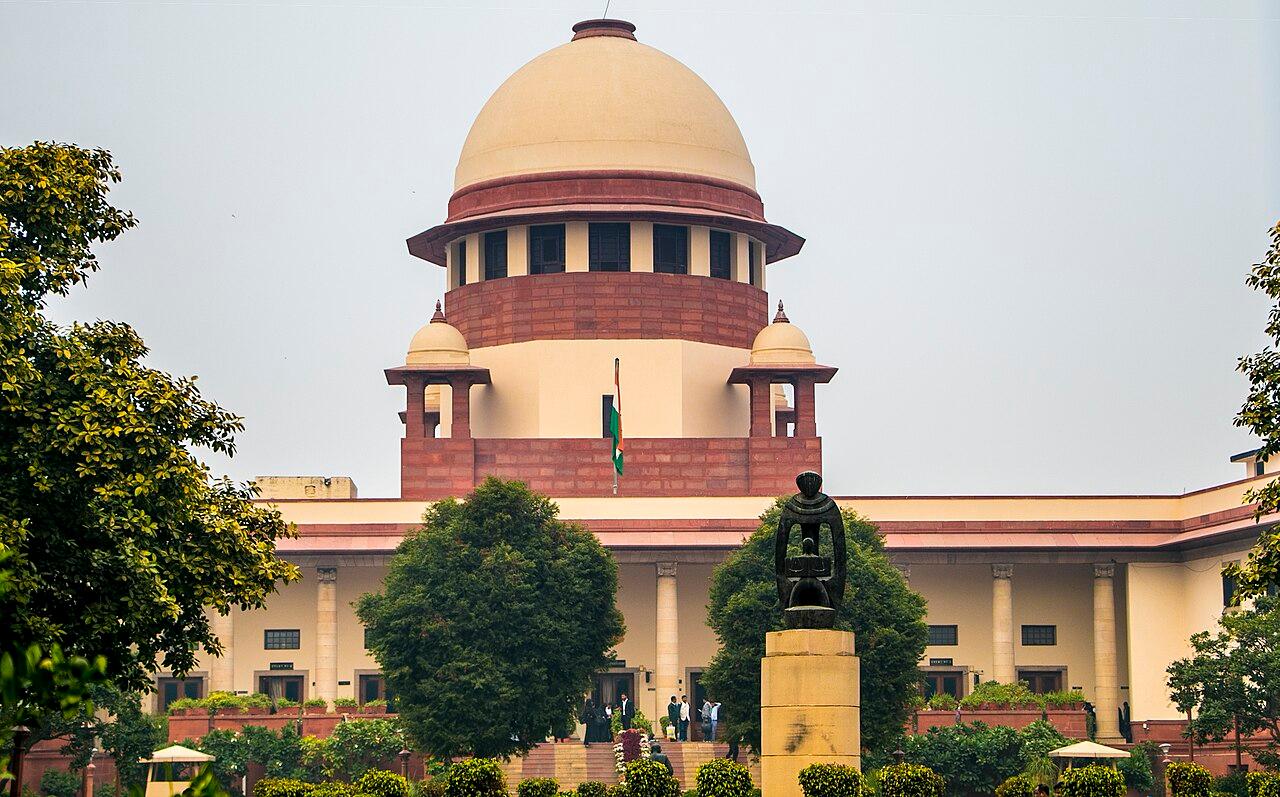
A three-judge panel of India’s Supreme Court issued a temporary ruling on February 18 restraining the forcible exhumation and relocation of the bodies of tribal Christians from their village burial grounds in Chhattisgarh state.
“The Supreme Court interim order restraining the forcible exhumation and relocation of the bodies of tribal Christians from their village burial grounds in Chhattisgarh is only a relief,” Archbishop Victor Henry Thakur of Raipur in Chhattisgarh told Crux.
It is “not a justice,” Thakur said, “however it is a welcome move on the part of the Supreme Court.”
Thakur is president of the Catholic Bishops’ Council of Chhattisgarh.
“The burial of tribal Christians in their villages [had never been] an issue,” Thakur told Crux, saying also that “politically motivated and sponsored groups” have in recent years stirred up controversy and even – according to petitioners in the Supreme Court case – succeeded in forcibly exhuming and relocating the bodies of tribal Christians from their village burial grounds.
“It is not only against our Constitution,” Thakur said, “but also a very dangerous move against the unity and integrity of our mother land India.”
The temporary restraining order came after a public interest petition filed by the Chhattisgarh Association for Justice and Equality, supported by pastors, activists and affected villagers.
The petition described spaces traditionally shared by villagers being increasingly restricted along religious lines and alleged pressure on families to abandon Christian funeral rites.
The plea described forced exhumations and reburials, sometimes carried out several miles away, as violations of constitutional protections.
One incident cited in the petition involved Benur village in Chhattisgarh’s Bastar district, where the remains of a tribal Christian man were allegedly exhumed, cremated and scattered in what petitioners termed “an act intended to intimidate the community.”
The specific case that gave rise to the petition and interim ruling was another Supreme Court hearing that ended in a split decision last year, on January 27, 2025.
In January of last year, the Supreme Court issued a divided ruling on a plea seeking permission to bury a deceased Christian pastor in his Chhattisgarh village graveyard or on his private farmland in the state.
Justices agreed that funeral rites and ceremonies are protected under India’s Constitution, but split on the question whether constitutional protections “would encompass the unqualified right to choose the ‘place’ of such ceremony (including burial)[.]”
Since the body of the decedent was still in the mortuary at the time the case went to the Court, the judges agreed that the body be buried in a designated burial ground for Christians in a village roughly 15 miles from his hometown.
Lawyers for the petitioners in the present case argued the split ruling is being misused in Chhattisgarh state to stop the burials of tribal Christians, even in places where there is no dispute at the local level.
Petitioners’ lawyers urged the court to declare all persons free to bury their deceased in their villages – irrespective of religion, caste, or other status – and to direct all municipal councils in the state to demarcate specific areas in villages for burials.
The restraining order the Supreme Court put in place last week is a step in favor of petitioners, but not a definitive resolution of the case.
At a at a press conference in New Delhi on February 19, the United Christian Forum (UCF) welcomed the Supreme Court decision restraining the alleged illegal exhumation of Christian burial sites in Chhattisgarh, describing the ruling as a “beacon of hope” for minority communities.
“The petition detailed how burial grounds that have traditionally been accessible to all villagers are now being informally restricted to certain religious groups, effectively excluding Christians,” UCF coordinator A.C. Michael, said at the news conference.
The organization expressed hope that “Christian graves will not be disturbed anymore,” following the court’s intervention.
The UCF says it recorded 23 burial-related incidents in 2025, most of them in Chhattisgarh, which it described as part of a “pattern of intimidation and discrimination” against tribal Christians.
Chhattisgarh, however, is not the only state in which such and similar disputes have arisen. In addition to Chhattisgarh, there have been complaints in Odisha and Jharkhand states.
More broadly, the UCF says the rights of tribal Christians are increasingly under threat, citing growing demands in Chhattisgarh, Rajasthan, Madhya Pradesh, Jharkhand and Odisha to remove Christian tribals from lists of those protected under special laws designed to secure the rights of people belonging to certain minority tribes.
“The Constitution of India does not tie tribal identity to religion,” Michael said. He warned that delisting campaigns undermine constitutional protections and urged the state governments of Chhattisgarh and Odisha to take immediate corrective measures to protect the rights of tribal Christian communities.
The UCF also cited internal data showing Christians have faced increasing hostility over the past dozen years, with documented incidents of violence and intimidation rising nearly sixfold between 2014 and 2024.
UCF says there were 4,959 cases reported during the period, with more than 700 incidents recorded in In 2025.
UCF also says the incidents disproportionately affecting Dalit Christians, women and tribal communities, with Uttar Pradesh and Chhattisgarh accounting for nearly half of the reported cases.
The United Christian Forum is demanding disciplinary action from state police leadership against officers who fail to prevent or adequately respond to violence against religious minorities.
UCF is also calling for specially appointed district-level officers to ensure immediate police protection during funerals in sensitive areas and initiate prompt criminal action against any attempt to carry out forced exhumations or obstruct lawful burials.
The organization is also appealing for compensation and rehabilitation for families displaced as a result of burial-related conflicts, which could include land restitution, home-reconstruction and livelihood support.