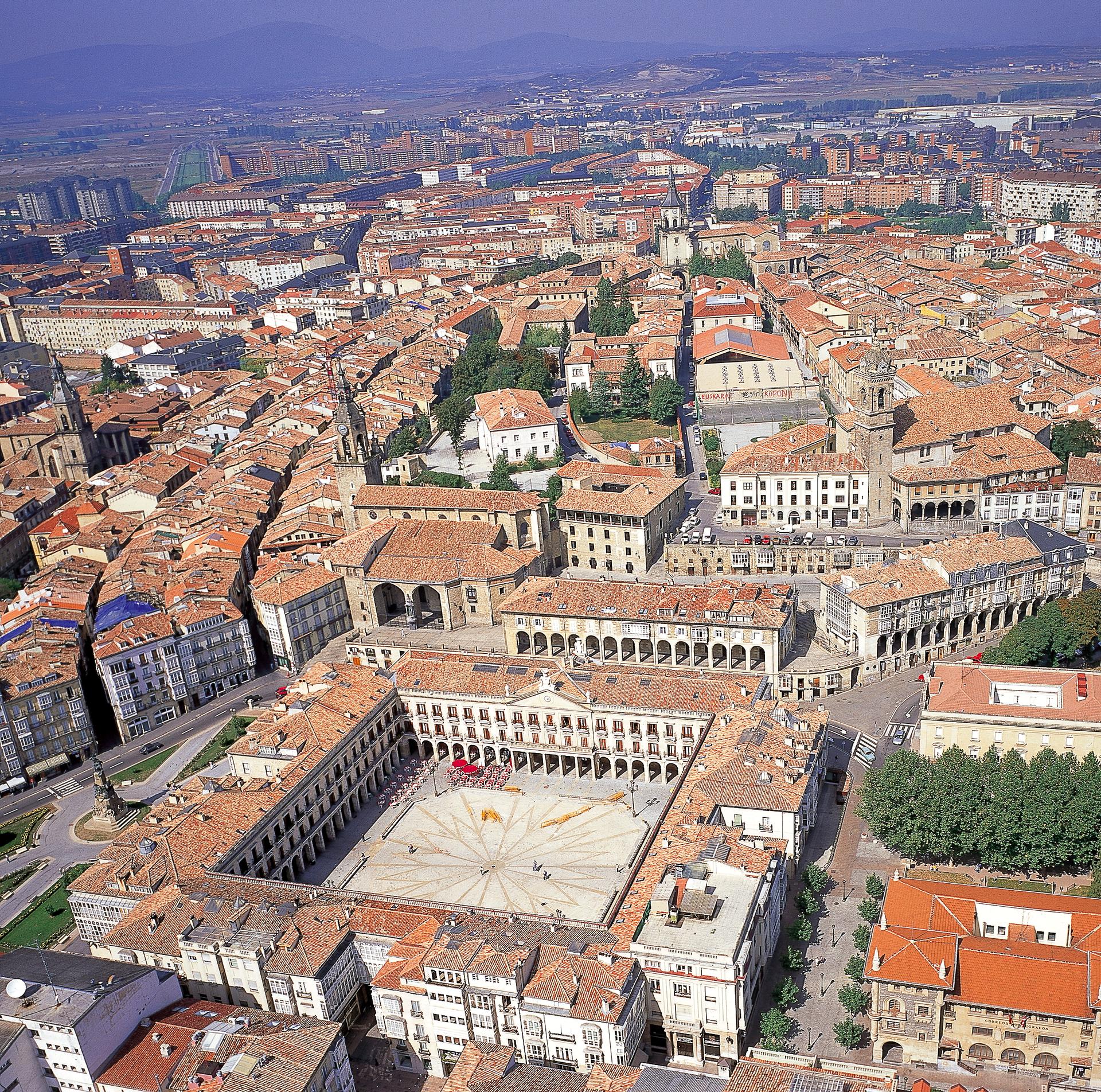
A criminal court in Vitoria, northern Spain, has acquitted 21 pro-life volunteers who were accused of harassment for praying peacefully outside an abortion clinic.
The judge in the administrative capital of the Basque Country ruled during the proceedings at Criminal Court No. 1 that they had “done nothing more than exercise their free right of assembly” and had behaved in an “exquisitely peaceful manner.”
The complaint concerned the actions of the pro-lifers between Sept. 28 and Nov. 6 2022, when the volunteers gathered as part of 40 Days for Life, an international grassroots campaign in which volunteers pray outside abortion clinics for 40 days.
The Vitoria volunteers covered prayer shifts in groups never exceeding five people, usually during the afternoon except on weekends, and were standing between 15 and 30 meters from the center.
They carried signs with messages including “We are here for you” and “We pray for you” and similar.
“[The defendants] did nothing more than exercise their right to free assembly, choosing a location near a clinic where abortions are performed, understanding that expressing their demands in that place and in the manner they did was the most appropriate way for the message they wished to convey – praying for life and offering their help – to reach its primary recipients directly,” Judge Beatriz Román wrote.
Their plans were communicated to the appropriate authorities.
Recent changes to the penal code
The ruling has significance also in light of an addition made to the Spanish penal code in April 2022 to “penalize the harassment of women who go to clinics for the voluntary termination of pregnancy.”
“[W]hoever, in order to hinder the exercise of the right to voluntary termination of pregnancy, harasses a woman through annoying, offensive, intimidating or coercive acts that undermine her freedom, shall be punished with imprisonment of three months to one year or community service of 31 to 80 days,” the penal code states.
The manager of the Askabide abortion center, Igor Elberdin, frequently complained about the presence of the volunteers and the police initially said that their prayer vigils should take place farther away from the center, but this was overruled by the High Court of Justice of the Basque Country.
The prosecution sought five months in prison or community service for the demonstrators, and also wanted fines and a three-year restraining order to keep the defendants 100 meters.
The clinic acting as a private prosecutor wanted compensation of up to €20,000 ($23,000).
The judge emphasized that the defendants “always positioned themselves on the sidewalk opposite the clinic, at least 15 meters diagonally away from it,” a fact corroborated by photographic evidence, testimony from the accused, and from the officers who identified them.
The judge also ruled there wasn’t evidence of intimidating behavior and stated it was unproven that the volunteers “blew kisses to the clinic’s users and staff, stared at them, begged for forgiveness, or insulted them.”
Judge Román said the defendants “always maintained correct and polite behavior,” noted that they “did not interrupt the passage in the clinic,” and said, “their proclamations were never offensive, nor did they proselytize.”
“None of the requirements or characteristics that qualify the situations of harassment punished in the penal code can be attributed to the conduct exhibited by the accused,” the judge also said in the ruling.
Parallels across Europe
The case is similar to that of Isabel Vaughn-Spruce, the co-director of March for Life in the United Kingdom, who was arrested in December 2022 after she told three police officers that she “might be” praying inside her mind outside an abortion clinic in Birmingham, UK.
In August 2024 she received a £13,000 ($17,000) payout from West Midlands police which said it settled her civil claim “without any admission of liability.”
In Spain, there is also the case of pro-life leader Dr. Jesús Poveda who shows up once a year in front of an abortion clinic in Madrid, on Dec. 28, the Day of the Holy Innocents. He is usually arrested and then released.
“We do assistance 364 days a year and only one day we do passive resistance,” Poveda often says of his yearly visit to the clinic.
Bishop José Ignacio Munilla of Orihuela-Alicante commented on the Vitoria case on X.
“I suppose the freedom-killers are horrified that those who pray and offer their help to save human lives are not condemned… What a scandal!!” he wrote.
The case could continue if the prosecution appeals the ruling to the Provincial Court of Álava.



![The Pelourinho Novo (lit. 'New Pillory'), also known as Hath Katro Khamb[b] (lit. 'Hand-Cutting Pillar'), in Old Goa. (Credit: Wikimedia.)](https://cruxnow.com/cdn-cgi/image/width=1920,quality=70/https://wp.cruxnow.com/wp-content/uploads/2026/04/pillar-in-india.jpg)