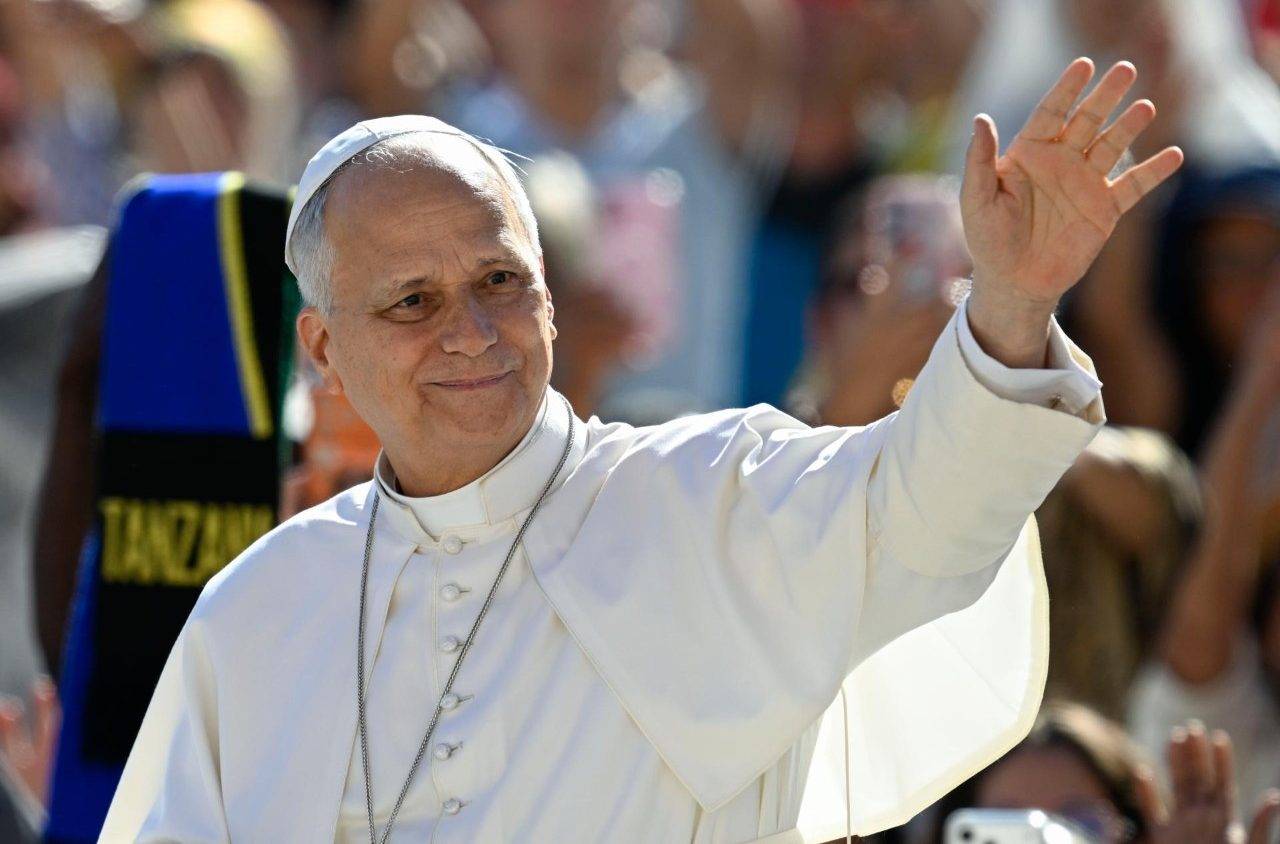
Marking the anniversary of Russia’s invasion of Ukraine, the leader of the Catholic Church in the embattled eastern European nation says Pope Leo XIV sees the conflict in a “European context.”
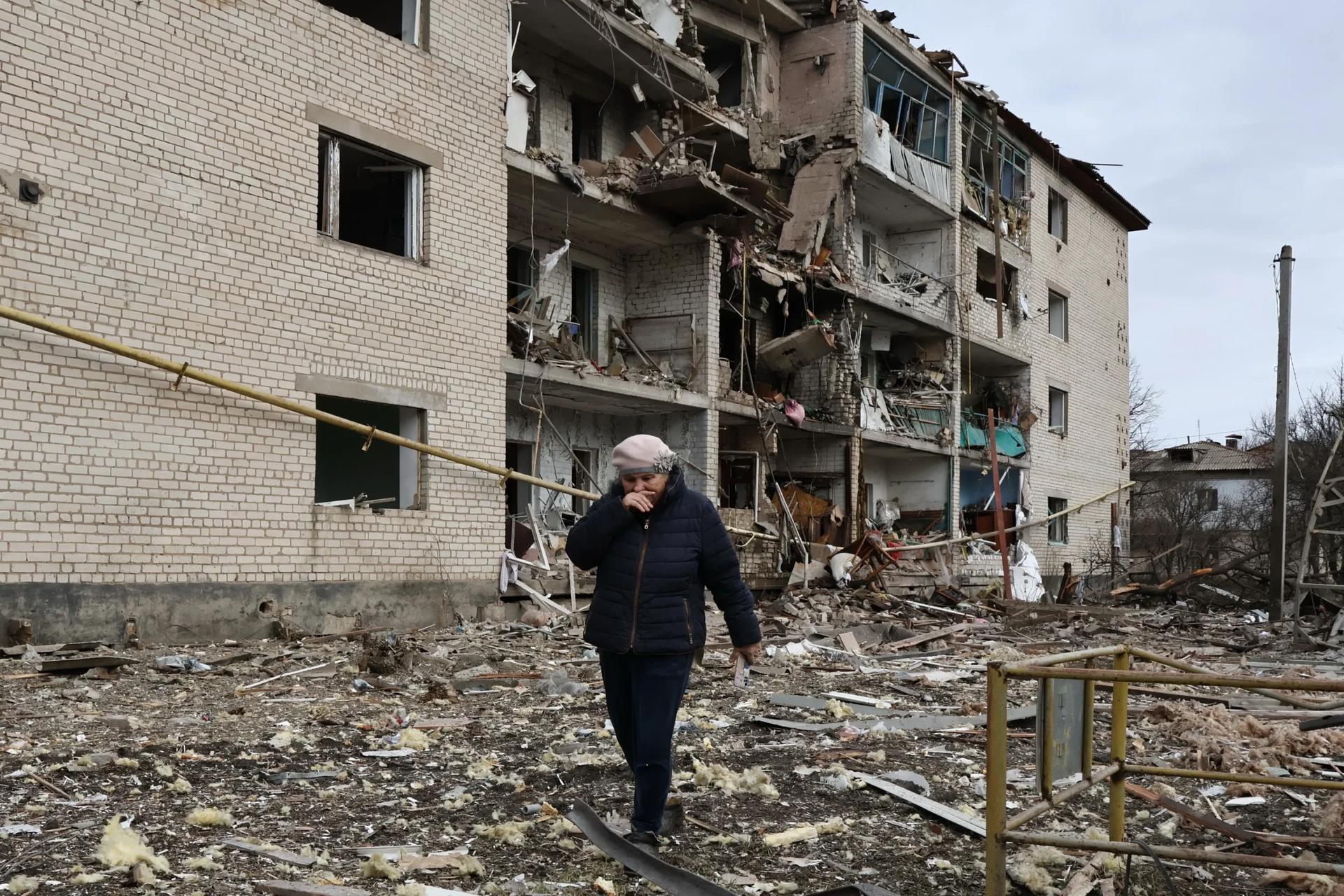
Ukrainians on Tuesday were observing the fourth anniversary of Russian President Vladimir Putin’s all-out invasion of their country, which has already killed tens of thousands of people and continues to cause deep concern in the capitals of other Euorpean nations over the scale of Moscow’s ambitions on the continent.
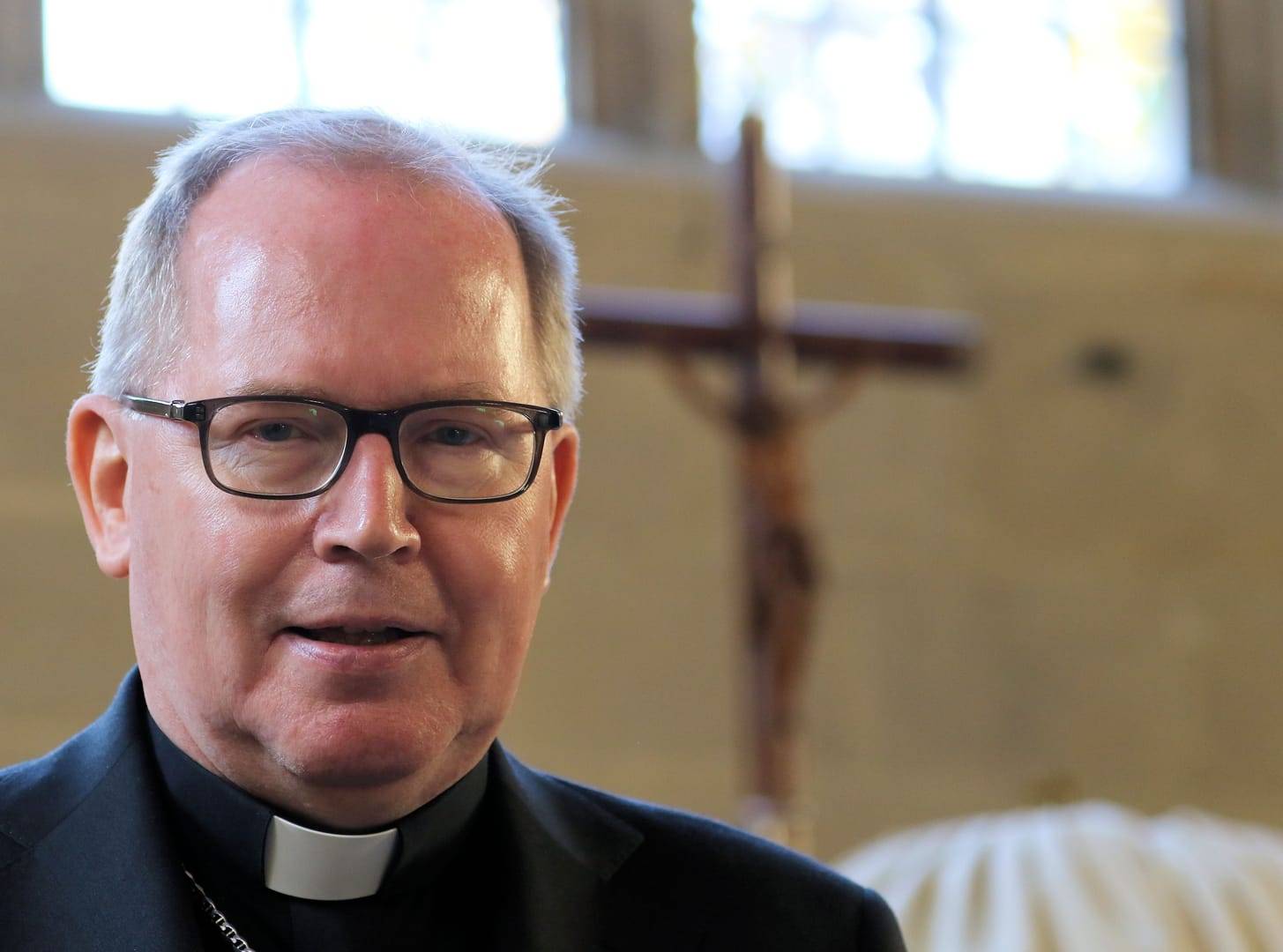
Major Archbishop Sviatoslav Shevchuk of Kyiv-Galicia and Primate of the Ukrainian Greek Catholic Church (UGCC) discussed the anniversary in a February 4 conversation with the UGCC’s official news portal.
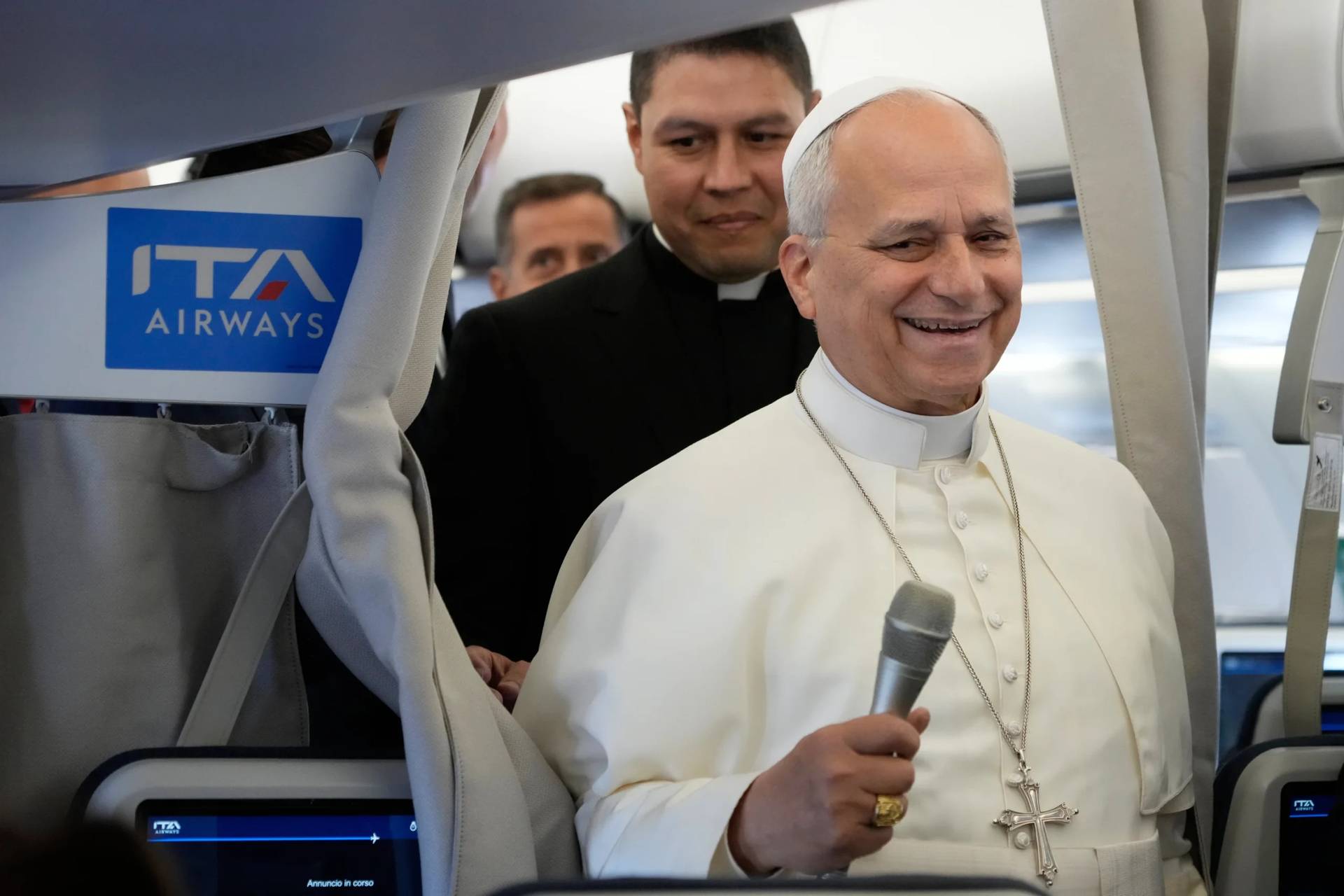
“Today we have a pope who views Ukraine through the lens of the European context,” Shevchuk said. “His vision – and therefore the current international position of the Holy See – is distinctly European,” he said.
“After Pope Leo XIV’s most recent meeting with the President of Ukraine [on Dec. 9, 2025], he made several statements to journalists. This took place against the backdrop of renewed external pressure on Ukraine, fresh attempts to find a ‘peace plan,’ and efforts to impose certain scenarios,” the major archbishop said.
“The Pope then stated very clearly: ‘This is a war in Europe, and Europe must be a party to the negotiations. We cannot negotiate about Ukraine at the level of, say, the U.S. and Russia.’ We have not heard such a clear position for a long time. So, thank God, today even at the level of the Holy See, Ukraine is recognized as an integral part of the European context,” he continued.
Shevchuk said Leo’s statement means one important thing: An increasingly clear understanding that without Ukraine, there is no secure future for Europe.
To illustrate the point, Shevchuk noted Leo’s use – for the first time the major archbishop could recall since 2014, when Russia invaded the Crimean Peninsula and aided a separatist insurgency in Ukraine’s eastern Donbas region – of the phrase, “Constitution of Ukraine.”
“To be honest, I had never heard this term used in international discourse before – for some reason, it had fallen out of use. And the Pope emphasized that today it is impossible to seek any ‘peace plan’ for Ukraine without respecting the Constitution of Ukraine,” Shevchuk said.
“With this single word,” Shevchuk said, “he reminded everyone that our Constitution enshrines the sovereignty and territorial integrity of the state, as well as its strategic development vector.”
“Changing the Constitution of Ukraine to accommodate certain external factors is, thank God, not so easy,” he added. “I am not sure that even parliament has a constitutional majority capable of taking such steps,” he said. “It was a very professional and carefully worded statement – simply mentioning the Constitution, yet saying so much,” the major archbishop said.
RELATED: Leo XIV prays for ’embattled people of Ukraine’ ahead of invasion anniversary
He also said Pope Leo XIV is a man “who approaches matters from an institutional perspective.”
“He does not form his position based on personal emotions, haphazard impressions, superficial judgments, or an article he happened to read the day before. His conclusions are based on the work of an entire community – an analytical, intellectual circle that studies the situation in depth,” Shevchuk said.
Speaking about the possibility of a visit to Ukraine by Pope Leo, he said he doesn’t know if such a thing is actively in the works. He was also asked about those who say a papal visit to the country “would end the war.”
“Today, at the level of ordinary people – what is called in theology sensus fidelium, the sense of faith of God’s people – there is a belief that if the Pope comes, the war will end,” Shevchuk said. “Why is that?” he continued. “Is it some kind of naïve automatism? No. It is an inner intuition of faith that should not be underestimated. That is why we constantly speak about it and encourage people,” the major archbishop said.
“Personally, I recall the precedent of Pope John Paul II’s visit to Sarajevo during the war in the former Yugoslavia. It was an incredibly courageous step. From a security standpoint, it was almost senseless,” Shevchuk said.
“Ukraine today is, without exaggeration, more capable of ensuring the Pope’s safety than Bosnia was at that time,” he added.
RELATED: Ukraine is being ‘severely tested,’ Pope Leo says
Shevchuk also said harmful propaganda has come through Russian diplomatic channels and reached the Holy See.
“Russian propaganda is indeed present there – dangerous, insidious, and extremely sophisticated,” he said.
“For a long time,” Shevchuk said, “the Vatican did not believe that propaganda could operate at the level of official diplomatic representatives. They did not believe that the Russian ambassador to the Holy See could engage in blatant manipulation or outright deception.
“Diplomacy is traditionally based on trust,” the major archbishop said.
He gave the example of when Catholic priests were kidnapped in Berdyansk – a port city in south-eastern Ukraine currently occupied by Russia – on November 16, 2022.
“For almost a year and a half, we did not know whether they were alive, where they were being held, or what was happening to them,” Shevchuk said.
“When, thanks to the efforts of the Ukrainian side and the diplomacy of the Holy See, their whereabouts were finally established, the Vatican requested official information about the conditions of their detention,” he continued.
“The Russian embassy reported where they were being held, the conditions they were living in, how many hours a day they were allowed to walk, what books they were reading, and so on,” Shevchuk said.
“When I shared this information with the Ukrainian side and received verified evidence about the real treatment of prisoners in that colony,” he said, “everyone was horrified.”
“The gap between the official ‘picture’ and reality was staggering,” Shevchuk said.
Shevchuk said misinformation at the Vatican often originates in the Italian media, which he claims is biased and can be influenced by Russian propaganda.
RELATED: Pope Leo asks for prayers for Ukraine, as it faces freeze after Russia attacks
“They have their own specific features, but this is precisely the information space in which most Vatican officials live – they read Italian publications and respond to them. Therefore, we understand well how this propaganda works today, and in what forms it operates,” he said.
The major archbishop said the Church plays an important role for the people in Ukraine during the present war.
“Today, we live in a vital period –a period of rediscovering purpose,” he said.
“People seek answers to profound, existential questions that no one can answer in human terms – neither the authorities, nor experts, nor any institutions. Only the Creator of this reality has the answers. We Christians say it is the Lord God,” Shevchuk said.
Follow Charles Collins on X: @CharlesinRome