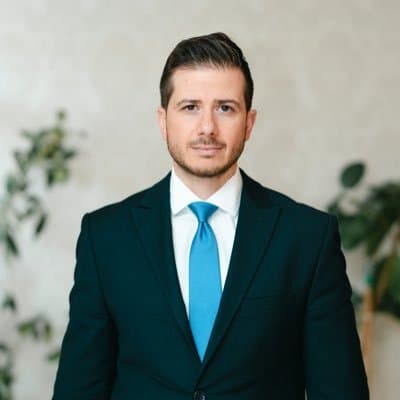
Israel’s new special envoy to the Christian community has said he envisions a future in which all faiths live and grow harmoniously in the Middle East, but admitted there are bumps in the road.
Speaking to Crux Now, Special Envoy of Israel to the Christian World George Deek lamented that Christianity is shrinking in the Middle East as a whole, but lauded its growth in Israel, saying, “Israel tells a different story.”
“Preserving the Christian presence is not only a Christian issue. It is a test of the moral future of the Middle East. Will this region protect difference, or will it continue to drive difference out?” he said.
Deek, who last month was appointed to his new post and himself is an Arab Christian, said his own answer to the question he posed is that “Christians belong here. Jews belong here. Muslims belong here.”
“The Holy Land should not become a place where ancient communities survive only in memory. It should be a place where they live, serve, pray, and build the future together,” he said, saying Christians are “not only part of the history of the Holy Land, they are living communities.”
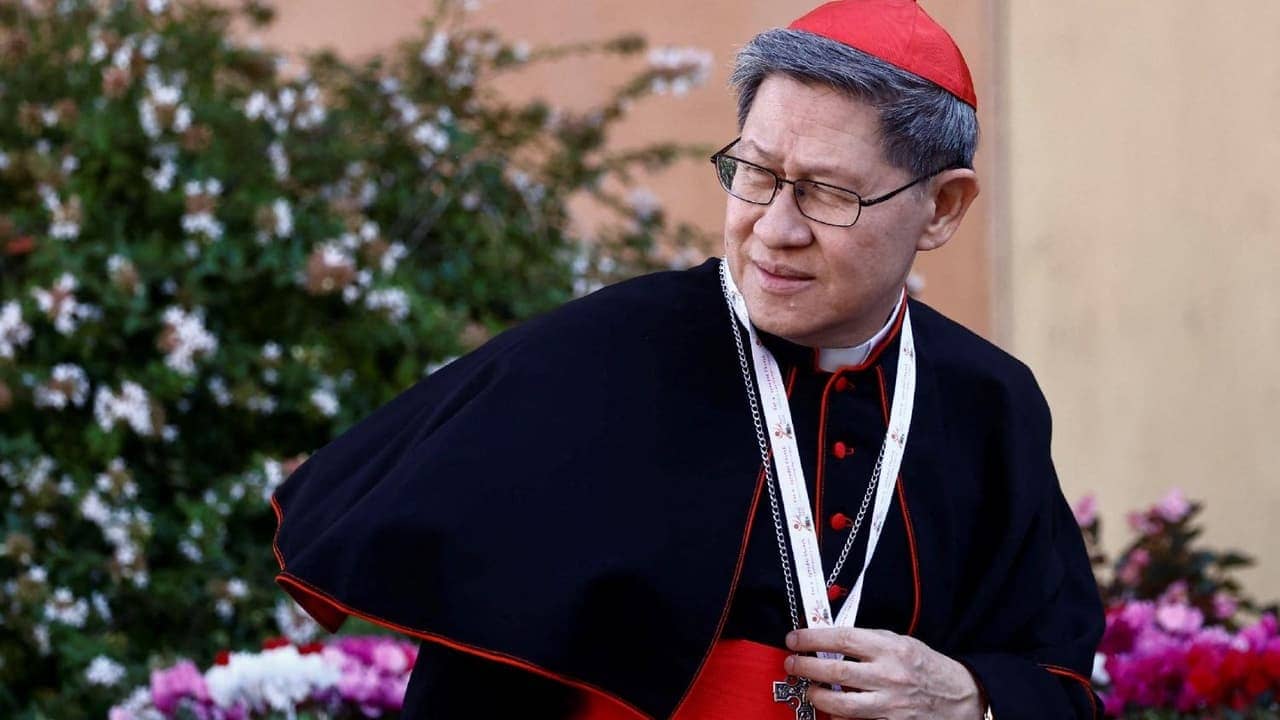
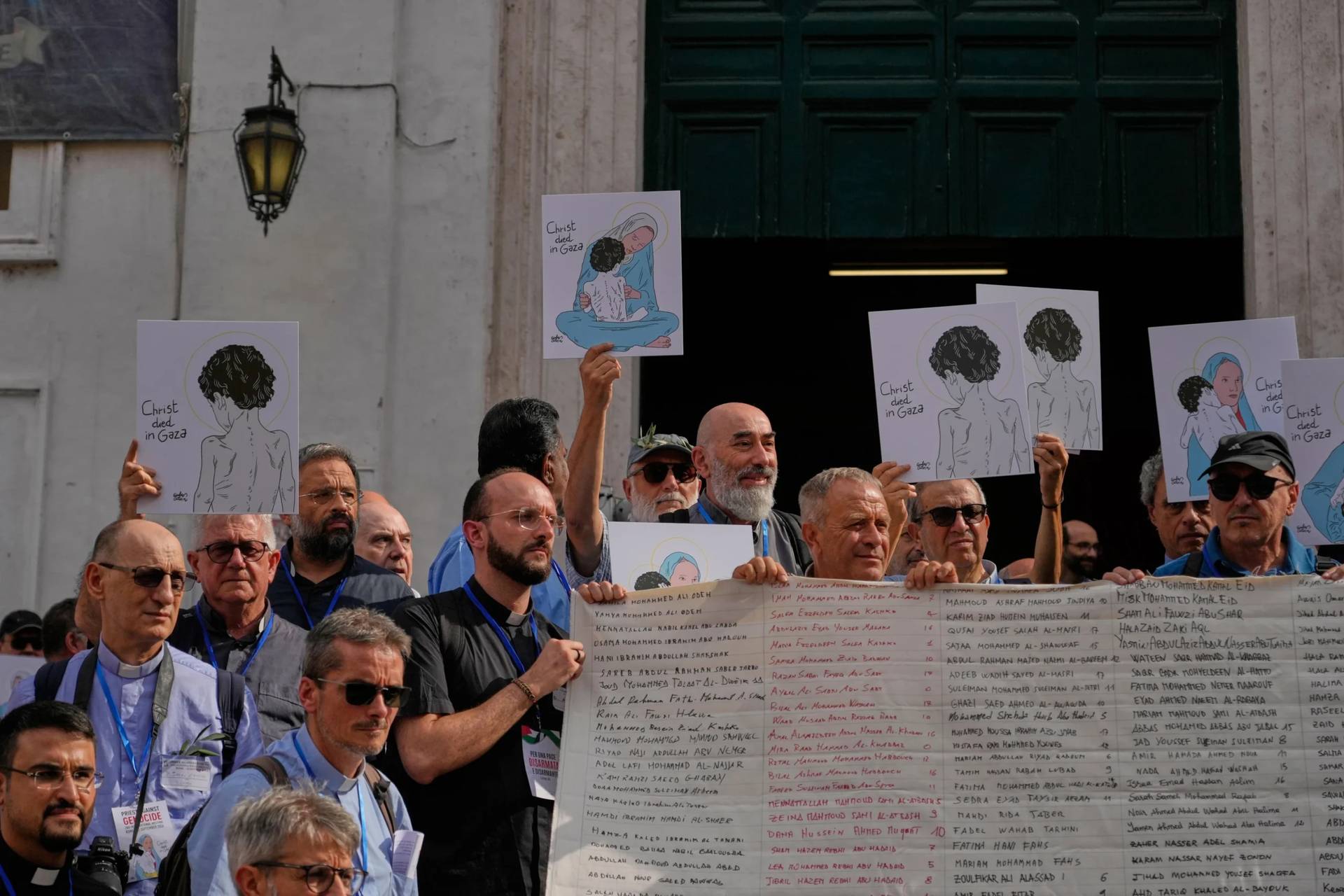
He addressed tensions following the refusal of Israeli security forces to allow Cardinal Pierbattista Pizzaballa, Latin Patriarch of Jerusalem, to be admitted to the Basilica of the Holy Sepulchre on Palm Sunday, saying there must be a balance of security protocol, and the guaranteed right to worship.
Deek also lamented a recent incident in which an Israeli soldier was photographed destroying a crucifix, called the episode “painful, unacceptable, and wrong” while also insisting that “we should not allow an unacceptable incident to define the whole reality.”
Top priorities in his new role, Deek said, are to facilitate trust and cooperation, ensure freedom of worship and the safety of Christians, and to spread the message that the fate of Christians is intertwined with the Middle East’s broader ability to protect differences.
“The defense of Christians and the defense of Israel, the national home of the Jewish people, are not opposing causes. They are connected by the same moral principle. A Middle East with no room for the Jewish state will not have room for Christians,” Deek said.
Please read below for Crux Now’s interview with Special Envoy of Israel to the Christian World George Deek.
Crux Now: Why is it important to have a special envoy for Christian affairs?
George Deek: It is important because the relationship between Israel and the Christian world is central. Christianity was born in this land. The holiest places of Christianity are here. And Christian communities are not only part of the history of the Holy Land, they are living communities with schools, churches, hospitals, charities, families, and deep roots.
My role as Special Envoy is to strengthen the relationship between Israel and Christian Churches, leaders, and communities around the world through dialogue, trust-building, and practical cooperation. It is a role of listening, but also of action.
There is also a regional reality we cannot ignore. Across much of the Middle East, Christian communities have been shrinking. Ancient communities that existed for centuries, even millennia, have been weakened or erased. In Israel, the picture is different. The Christian population has grown significantly since the establishment of the state, and Christian citizens are active in medicine, education, law, academia, business, public service, and diplomacy.
For me, this role is also deeply personal. I am an Arab Christian whose family has lived in this land for centuries. I know what it means to cherish faith, tradition, and identity while also believing in a shared future. I know what it means to be proudly Christian, proudly Arab, and proudly Israeli.
That is why this role matters. It is about safeguarding holy places, strengthening trust, protecting religious freedom, and making sure that Christians in the Holy Land are seen not as museum pieces from the past, but as living partners in the future.
What are your main priorities in this role?
My first priority is to build trust and strengthen practical cooperation. That means deepening Israel’s dialogue with Church leaders in the Holy Land, with the Holy See, with Christian communities around the world, and with Christians who live here, from Jaffa to Nazareth. This dialogue needs to be practical, with the goal of making sure Christian communities continue to feel safe, respected, and rooted.
My second priority is to contribute to the freedom and safety of Christians across the region. Across much of the Middle East, Christian communities are shrinking under the pressure of war, extremism, instability, and persecution. In Lebanon, Syria, and Iraq, ancient Christian communities have suffered dramatic decline. Iraq’s Christian population, once over a million and a half, is now estimated at a fraction of that. In Aleppo alone, Syria’s Christian community fell from around 250,000 to roughly 50,000.
Israel tells a different story. It is the only country in the region where the Christian population has grown significantly, because Christians are free, protected, and able to participate fully in society. I believe Israel can work with Christian partners to help Christians, and other persecuted minorities, gain the freedom, dignity, and security they deserve.
My third priority is to tell a fuller story about why the future of Christians in this region is tied to a larger question: can the Middle East learn to protect difference? The defense of Christians and the defense of Israel, the national home of the Jewish people, are not opposing causes. They are connected by the same moral principle.
A Middle East with no room for the Jewish state will not have room for Christians, Druze, Yazidis, or anyone else who is different. Our destinies are linked because minorities deserve dignity, security, and a future.
There are some tensions now after what happened to Cardinal Pierbattista Pizzaballa being blocked from entering the Holy Sepulchre on Palm Sunday. How can incidents like this be avoided in the future?
First, I understand the pain and frustration this caused. Palm Sunday one of the most important moments of the Christian year. At the same time, it is important to understand the security context. This happened during a period of serious threats and missile fire against Israel. Shortly before Easter, debris from an intercepted missile fell close to the Old City, including near Christian holy sites. In that situation, temporary restrictions were introduced in sensitive areas to manage large gatherings and reduce risk. They were not directed against Christians. Similar restrictions affected movement around sites of different faiths, including Jewish sites like the Western Wall.
But even when security concerns are real, the lesson is clear: coordination must be better. Sensitive religious moments require early communication, clear channels, and mutual understanding between the authorities and Church leadership.
So yes, incidents like this can and should be avoided in the future through stronger coordination between the state authorities and the religious authorities. Protecting people physically and respecting their faith should not be treated as competing duties.
A picture has also circulated in recent days of an Isreali soldier destroying a crucifix. Do you have a response to this incident? How can discrimination against Christians and all minority faiths in Israel be protected?
The destruction of the crucifix was painful, unacceptable, and wrong. Disrespect towards the cross is not only an offense against Christians. It is an offense against the values of dignity, faith, and mutual respect that Israel strives to uphold. It was also hurtful to the many Christian citizens who serve this country, strengthen it, and are part of its life.
What matters in such moments is how a state responds. Israel’s leadership condemned the act clearly. The soldier was disciplined. The damage was repaired. That is important. No society is judged only by whether ugly incidents occur. Every society has extremists, fools, and people who behave disgracefully. The real test is whether the society excuses them or confronts them.
At the same time, we should not allow an unacceptable incident to define the whole reality. Christians in Israel worship freely, run their own institutions, and participate in public life. The Christian population has grown significantly since 1948, while in much of the Middle East Christian communities have declined dramatically.
So, the answer is twofold: wrongdoing should be confronted honestly, and the broader reality should also be told truthfully. Israel is not perfect. No country is. But it is a country where Christians are not disappearing. They are present, active, contributing, and protected by law. Our responsibility is to keep strengthening that protection every day.
Many Christians are leaving the Holy Land, in part due to complaints of discrimination, but also continual war. How can the Christian presence be proactively maintained in Israel and throughout the Holy Land?
The Christian presence in the Holy Land cannot be preserved by nostalgia. It has to be preserved by making sure Christians can actually build a future here.
That means security, freedom of worship, economic opportunity, good education, housing, employment, and the ability of young families to imagine their future in the land of their ancestors. A community does not survive only because it has beautiful churches. It survives because its children believe they can stay.
We also have to be honest about the differences across the region. In Israel, the Christian population has grown from roughly 34,000 in 1950 to about 188,000 today. Christian citizens are among the most highly educated communities in the country and are strongly represented in medicine, law, academia, business, and public service. That is a story of resilience.
But in Gaza and parts of Judea and Samaria, the situation is much more fragile. Christians face pressures from conflict, instability, economic hardship, and often from their own local environments.
Proactively maintaining that presence requires partnership: between governments, Churches, local communities, civil society, and international actors.
But there is also a deeper point. The future of Christians in the Holy Land depends on whether this region can accept difference. If the Middle East cannot accept the Jewish state, it will not truly accept Christians either. Hatred never stops with one target. A region that has no room for Jews will eventually have no room for Christians, Druze, Yazidis, or anyone who does not fit the majority.
So, preserving the Christian presence is not only a Christian issue. It is a test of the moral future of the Middle East. Will this region protect difference, or will it continue to drive difference out? My answer is clear: Christians belong here. Jews belong here. Muslims belong here. The Holy Land should not become a place where ancient communities survive only in memory. It should be a place where they live, serve, pray, and build the future together.
Follow Elise Ann Allen on X: @eliseannallen