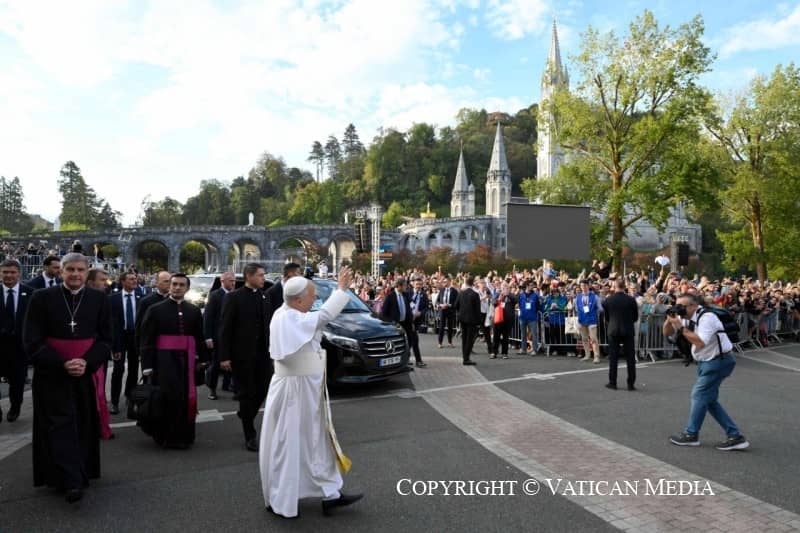
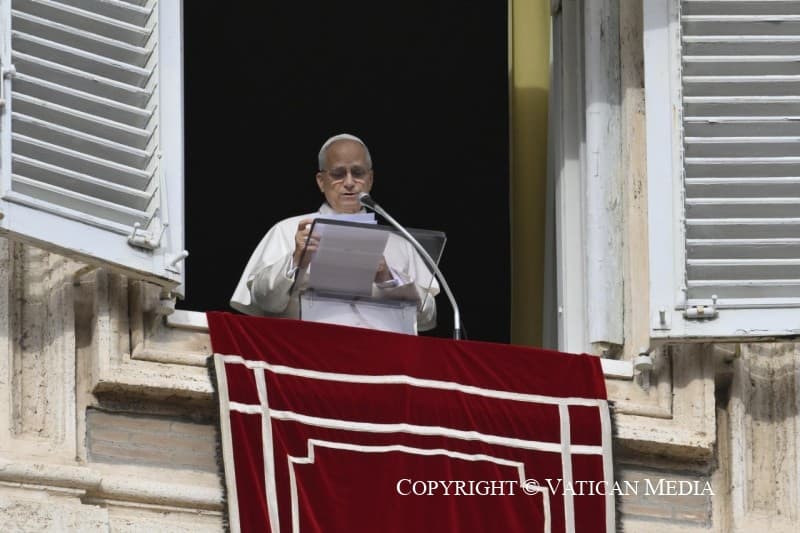
Church observers and Vatican watchers awaited Pope Leo XIV’s Angelus this Sunday with even more anticipation than usual, after the United States captured Venezuela’s president, Nicolás Maduro, along with his wife, on charges of drug trafficking and narco-terrorism conspiracy.

The pontiff did address the situation, very carefully, in fact more cautiously than a great many people had been given to predict, but his concern was evident and his message clear.

“It is with deep concern that I am following the developments in Venezuela,” Leo said.
“The good of the beloved Venezuelan people must prevail over every other consideration,” he also said, adding that the development “must lead to the overcoming of violence, and to the pursuit of paths of justice and peace, guaranteeing the sovereignty of the country.”

Leo also called for “ensuring the rule of law enshrined in its Constitution, respecting the human and civil rights of each and every person, and working together to build a peaceful future of cooperation, stability and harmony.”

“[S]pecial attention,” Leo said, is due “to the poorest who are suffering because of the difficult economic situation,” in the country.

Those disappointed the pope did not condemn the U.S. action or U.S. President Donald Trump really ought not be surprised.

There is broad consensus within the international community that Maduro, an authoritarian who rose under socialist strongman Hugo Chavez before becoming president in 2013 upon Chavez’s death, is criminally corrupt and had kept power illegitimately for the better part of a decade.

The United States has always asserted and occasionally – selectively – exercised broad police power over the Americas, as a matter of policy, for well over a hundred years.

The legalities of the intervention are complex, while both the situation on the ground in Venezuela and the geopolitical realities in which the U.S. chose to conduct the operation are fraught with danger and uncertainty.

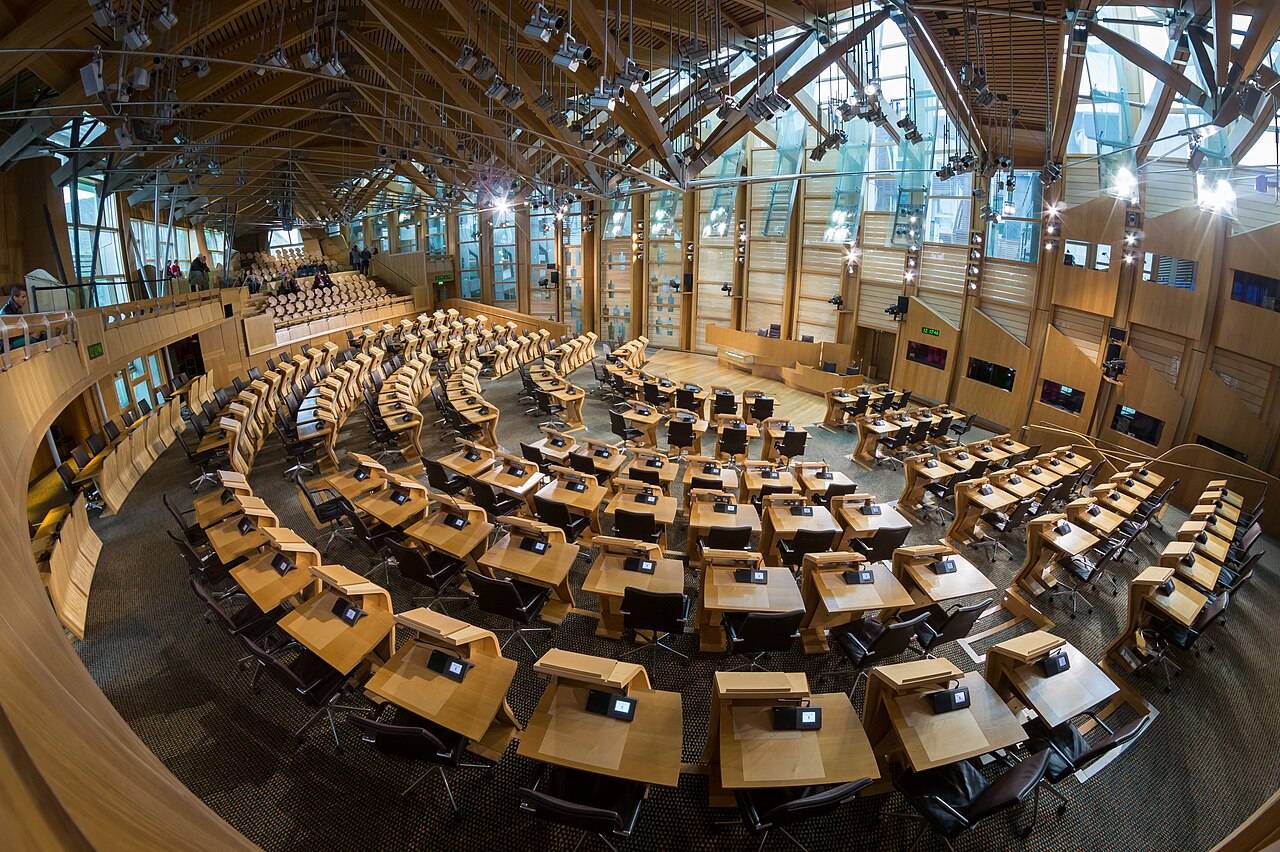
In the United States, politicians and experts did not debate whether the forcible removal of a figure like Maduro was legally or morally possible, but whether Trump had acted within the confines of presidential authority in ordering the attack without seeking legislative approval or even consulting with the legislature, and without offering much in the way of a legal or policy rationale even after the fact.

Reaction from Latin American leaders ranged from indignant to scathing, with Kamla Susheila Persad-Bissessar of Trinidad and Tobago something of an outlier.

The Prime Minister of the dual-island Caribbean nation off the coast of Venezuela, which supported the U.S. military buildup preceding the seizure operation, said only that her country “is not a participant in any of these ongoing military operations,” and “continues to maintain peaceful relations with the people of Venezuela.”

German Chancellor Friedrich Merz called the U.S. intervention “complex” and said “Maduro has led his country into ruin,” adding that the objective at this point “is an orderly transition to an elected government.”

France’s President Emmanuel Macron said the Venezuelan people could “only rejoice” at Maduro’s removal, but French Foreign Minister said the U.S. action “violates the principle of non-resort to force that underpins international law.”

The operation – a lighting strike against several targets in and around the Venezuelan capital, Caracas – unfolded in the night between Friday and Saturday and caused a number of Venezuelan civilian and military casualties reported between 40 and 80.

Crux reported that Maduro’s ouster was met with jubilation from Venezuelans living outside their native country, while the bishops of Venezuela were cautious and the posture of the people likewise wary.

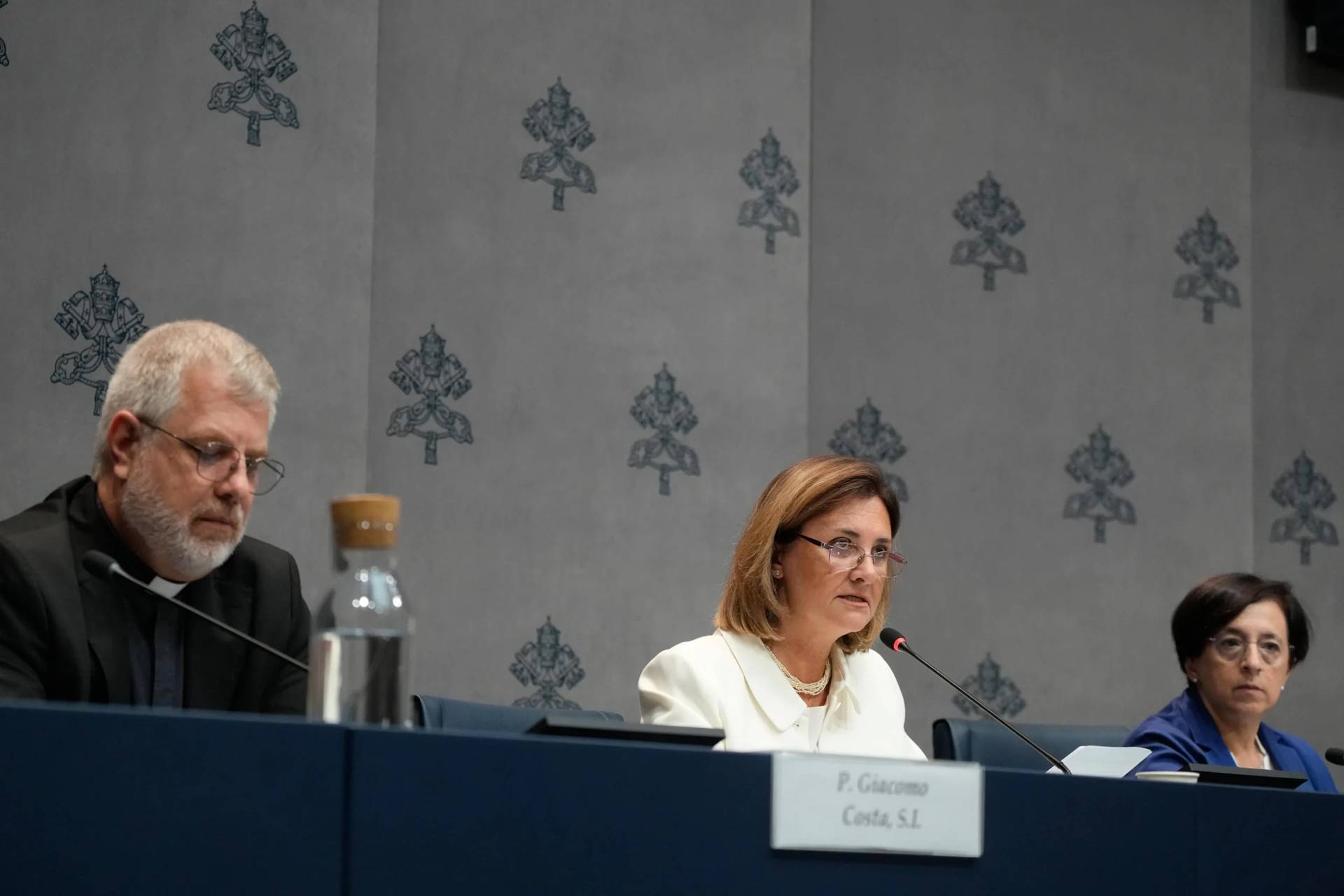
Professional diplomats in the Vatican and Leo XIV himself are monitoring both the situation and international reaction closely, but if the pope is taking cues from anyone for his public statements in the current situation, he is taking them from the bishops of Venezuela.

“In light of the events that our country is living through,” the bishops said in a statement issued Saturday, “let us ask God to grant all Venezuelans serenity, wisdom, and strength. We stand in solidarity with those who were injured and the families of those who passed away.”

“Let us persevere in prayer for the unity of our people,” the bishops said.

On Saturday, Trump said the U.S. would “run the country until such time as we can do a safe, proper and judicious transition,” and that the operation in which the U.S. seized Maduro “should serve as warning to anyone who would threaten American sovereignty or endanger American lives.”

Trump also said the U.S. would oversee and guarantee oil extraction in the short term.

“The money coming out of the ground is very substantial,” Trump said.

Venezuela’s oil reserves are not the country’s only valuable resource. The Orinoco Mining Arc is a vast stretch of land rich in rare earth minerals crucial to both civilian and military production, and those resources are largely untapped.

Both Russia and China have interests in Venezuela’s mineral reserves.

Some observers have also expressed concern over how the example set by the U.S. with the action against Maduro could provide fig leaves for both powers in other situations, among them Ukraine and Taiwan.

Russia called the U.S. operation an “act of aggression,” however, while President Volodymyr Zelenskyy of Ukraine supported the U.S. action in Venezuela and noted that Russia didn’t need a fig leaf to invade his country and attack him personally.

“What can I say here?” Zelenskyy told reporters at the weekend. “If this can be done to dictators, like that,” he said, “then the United States of America know what they should do next.”

Regarding Venezuela, the largely unspoken concern is that the political stability necessary for secure and orderly investment, hence development – i.e., extraction, refinement, and processing – of the full spectrum of Venezuela’s natural resources will drive both U.S. and international policy, with the political liberty of the people of Venezuela taking a back seat alongside their prosperity.

“We’re going to get reimbursed for everything that we spend,” Trump said.

Even measured in terms of mere stability, the U.S. track record on regime change has not been exactly stellar of late, and Trump’s Saturday news conference was long on promises but short on details.

On both Saturday and Sunday, Trump was already threatening another Latin American leader – Gustavo Petro of Colombia – and accusing him of drug trafficking.

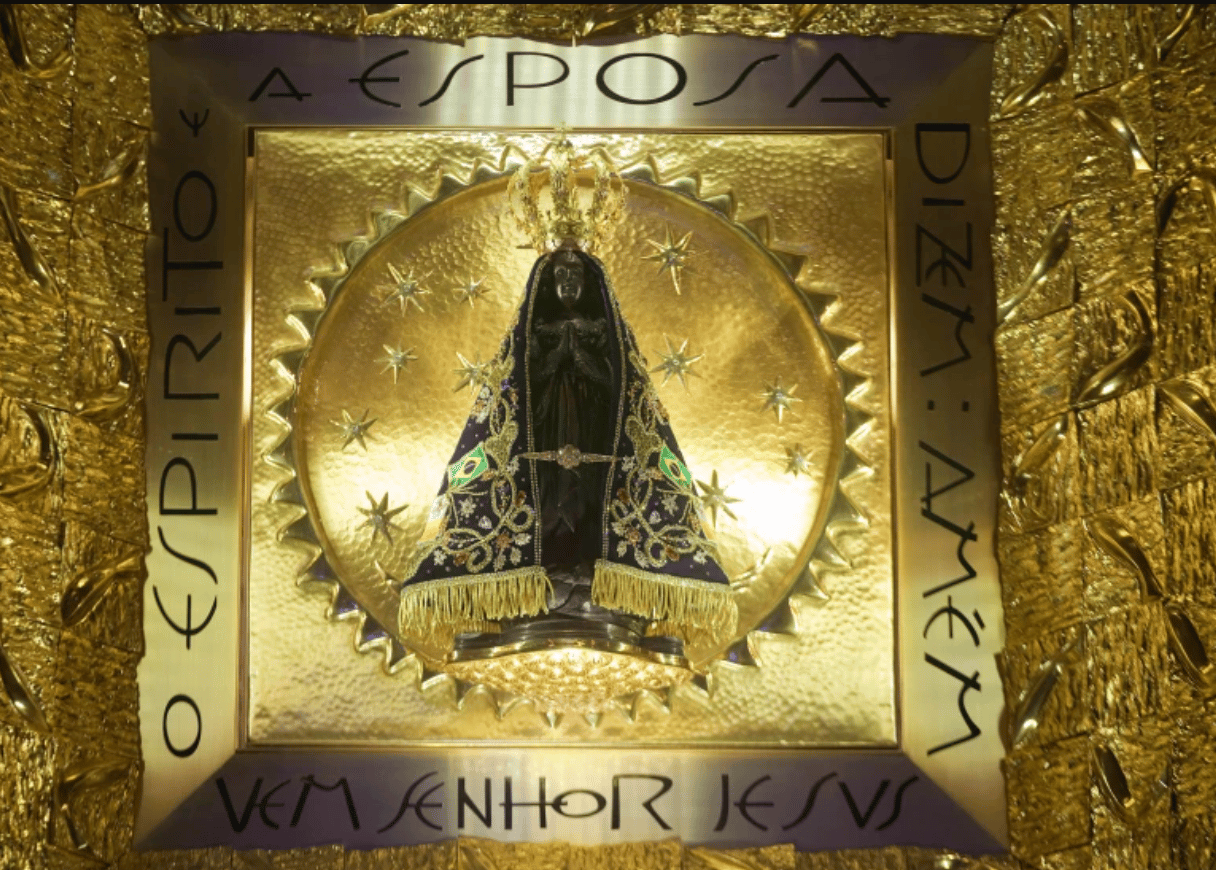
“I pray for all this,” the pontiff said on Sunday, “and I invite you to pray too, entrusting our prayer to the intercession of Our Lady of Coromoto,” a title by which Venezuelans venerate the Blessed Mother with intense devotion as Patroness of Venezuela after she twice appeared to Chief Coromoto of the Cospes to obtain his conversion in the mid-17th century, “and to Saints José Gregorio Hernández and Carmen Rendiles,” Venezuela’s first two saints, canonized by Leo in October of last year.

“All this” is a very complex confluence of interests, in which the sorely tried people of Venezuela stand to lose the most, again.