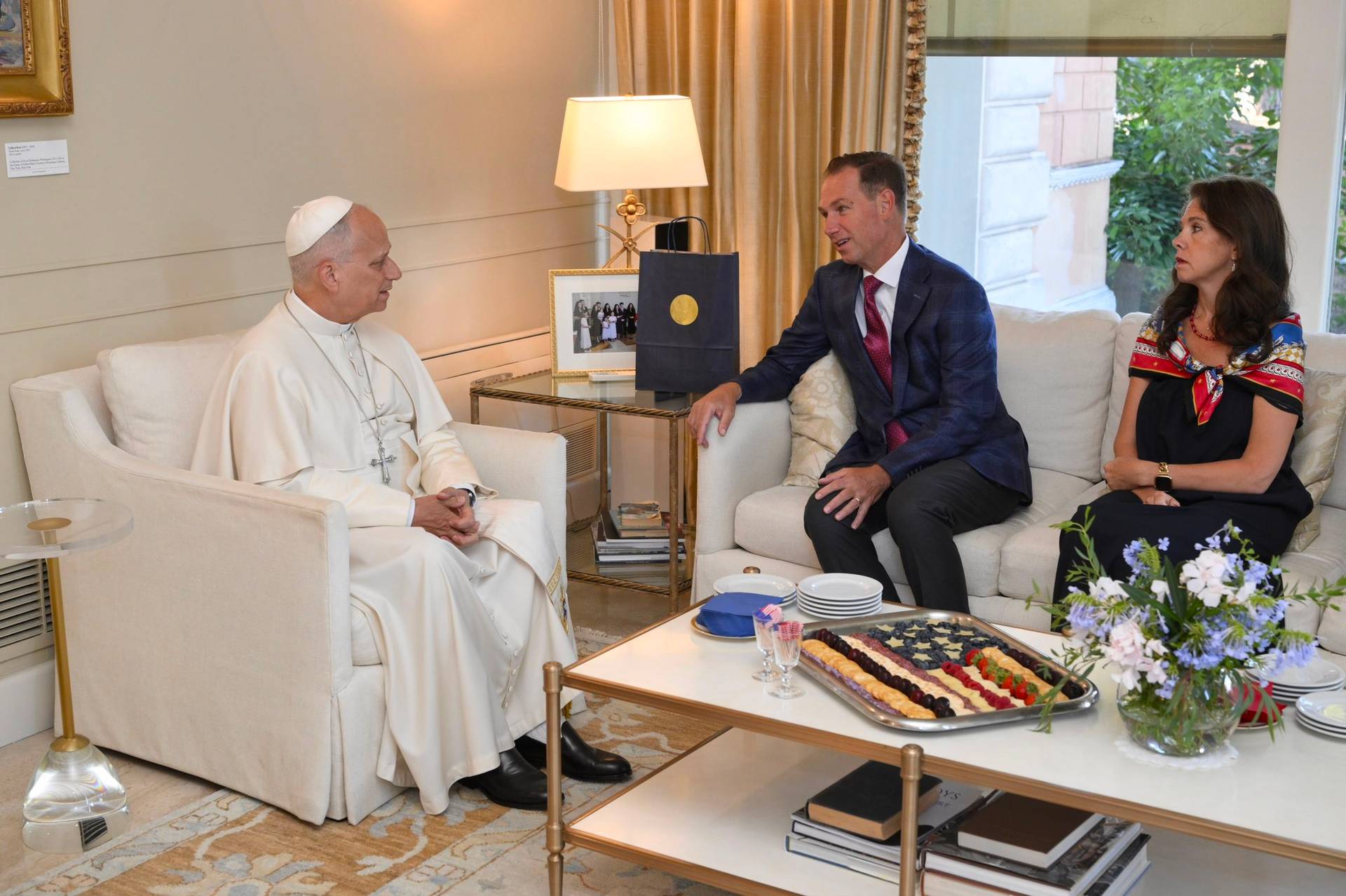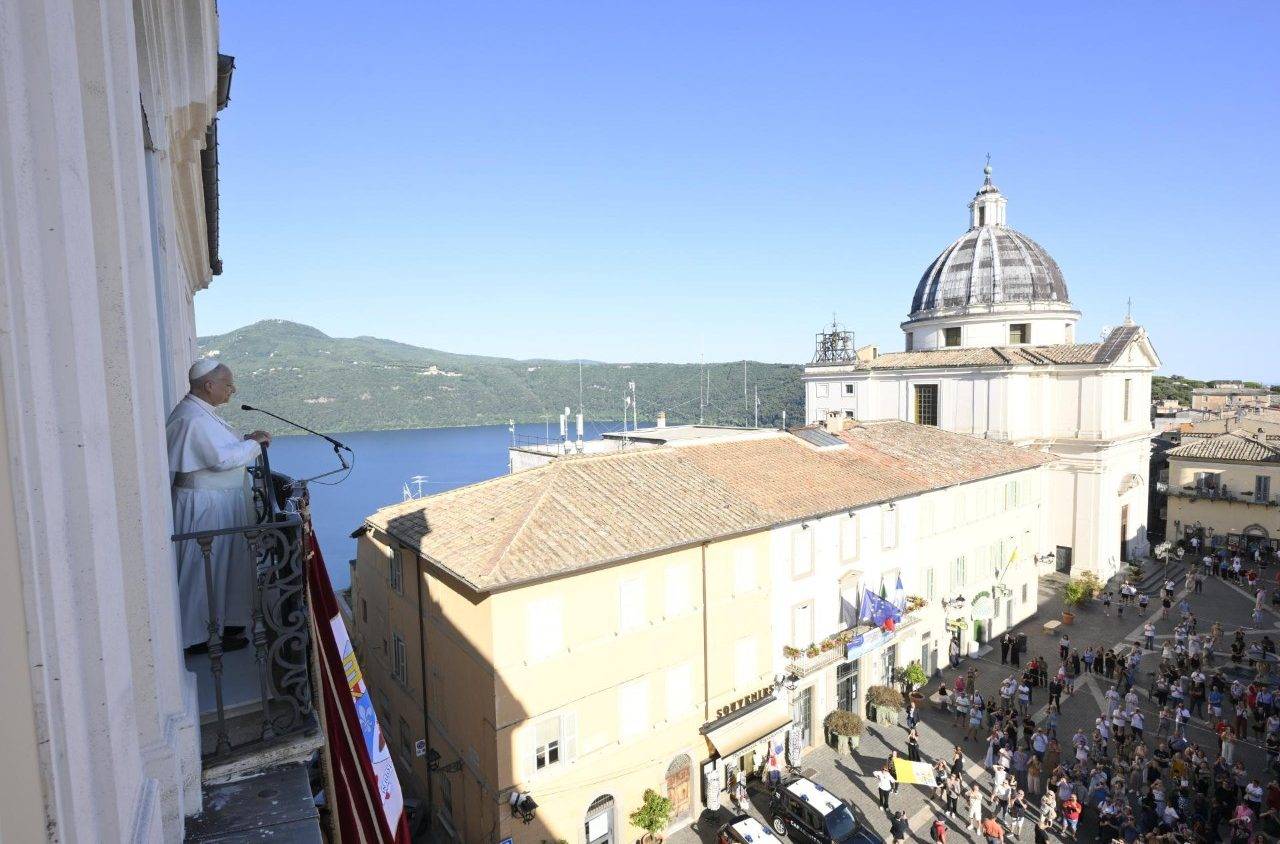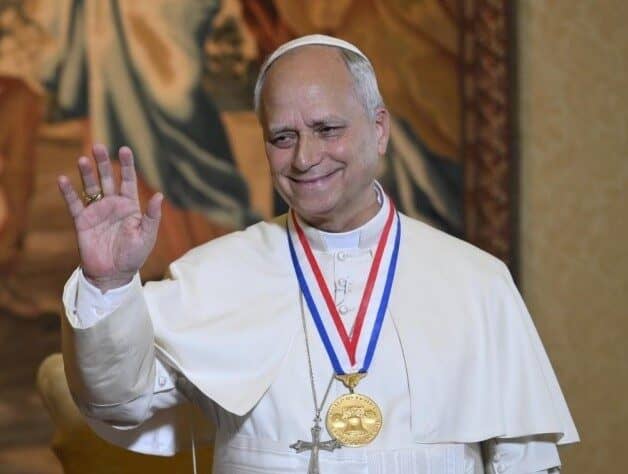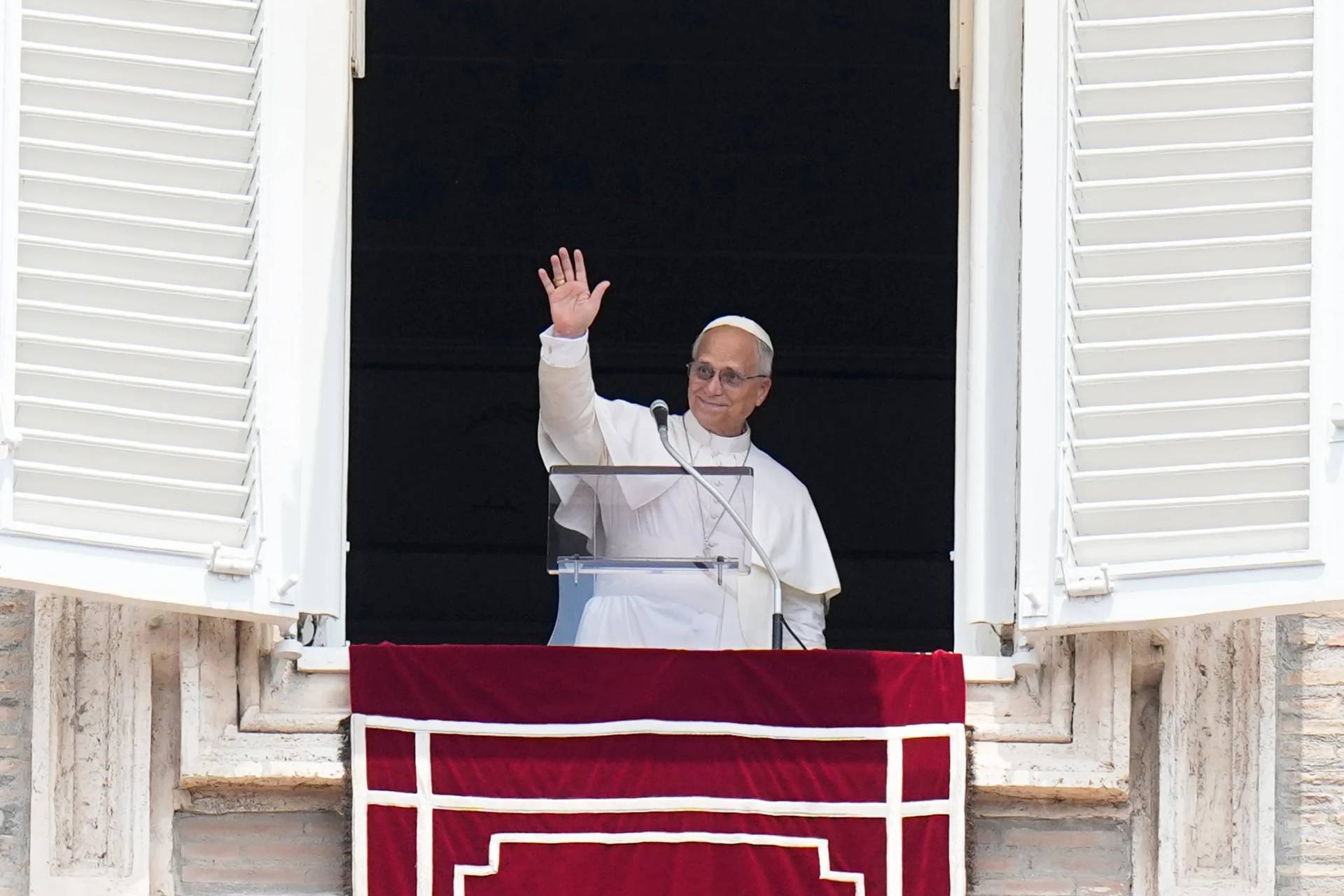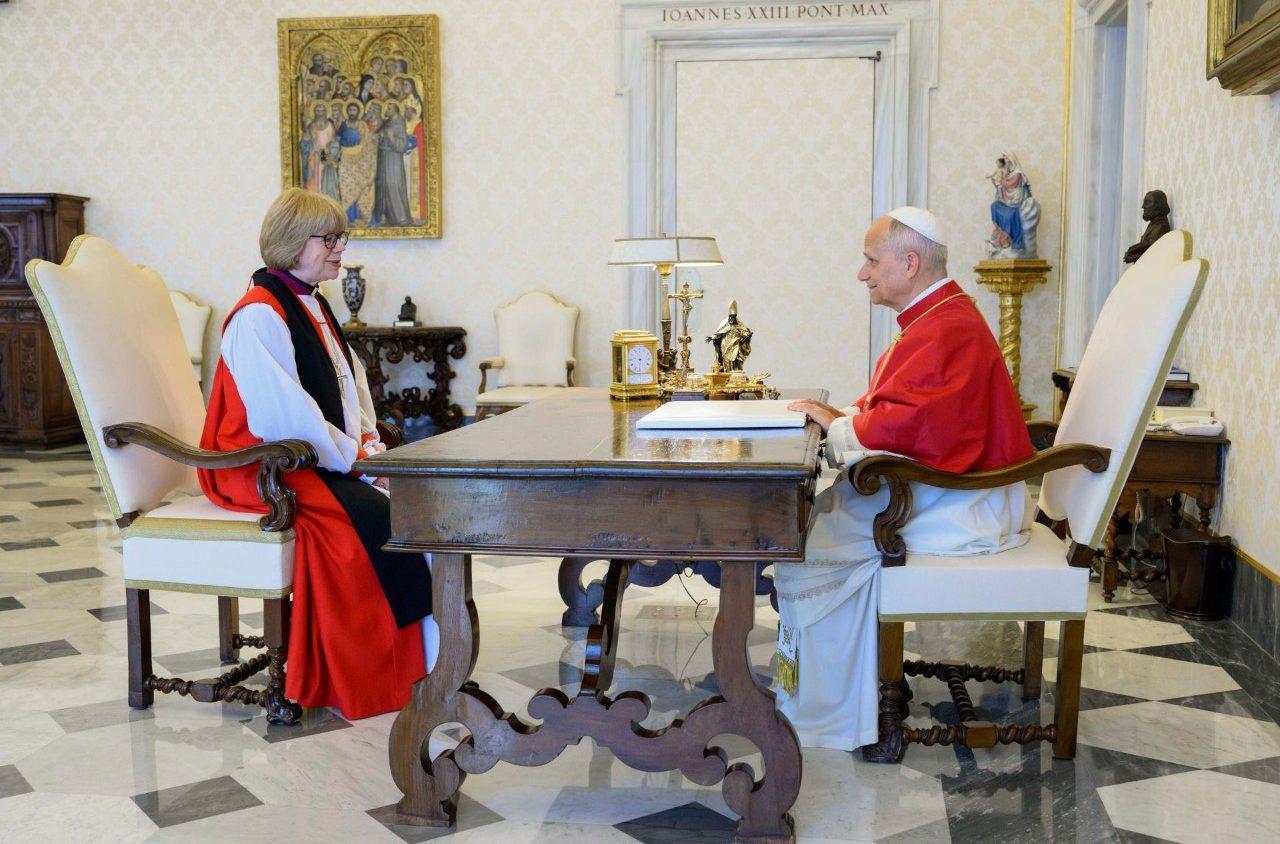
Relations between the Catholic Church and the Anglican Communion have “been complex,” according to Pope Leo XIV as he met the new Archbishop of Canterbury, Sarah Mullally in the Vatican on Monday.
She is the first woman to lead the Church of England and the spiritual head of the Anglican Communion.
The pontiff noted that this year is the 60th anniversary of the first formal ecumenical statement between the Anglican and Catholic Churches, signed in 1966 at St. Paul’s Outside the Walls basilica by Archbishop Michael Ramsey and Pope Paul VI.
However, relations have become different between the two bodies, with the Church of England naming its first priest in 1994, and its first bishop in 2015.
The first female Anglican priests were ordained in 1994, its first female bishop in 2015, and now Mullally as the first archbishop of Canterbury. However, women priests were named earlier in other Anglican churches in the Western world.
“While much progress has been made on some historically divisive issues, new problems have arisen in recent decades, rendering the pathway to full communion more difficult to discern,” Pope Leo said.
“I know that the Anglican Communion is also facing many of these same questions at this time. Nevertheless, we must not allow these continuing challenges to prevent us from using every possible opportunity to proclaim Christ to the world together,” he added.
RELATED: 2026 may be a turning point in Anglican-Catholic dialogue
In the developing world – especially in Africa – the Anglican Communion is much more conservative.
In March – after Mullally’s appointment was announced – conservative Anglicans were meeting in Abuja, Nigeria. They established the Global Anglican Council, which opposes the liberal trends in the Church of England and the U.S.-based Episcopal Church, including allowing same-sex marriage and the ordination of openly LGBTQ+ clergy.
These Anglicans are most often from the Evangelical wing of the communion, not the Anglo-Catholic wing. This branch has suffered its own problems over female ordination.
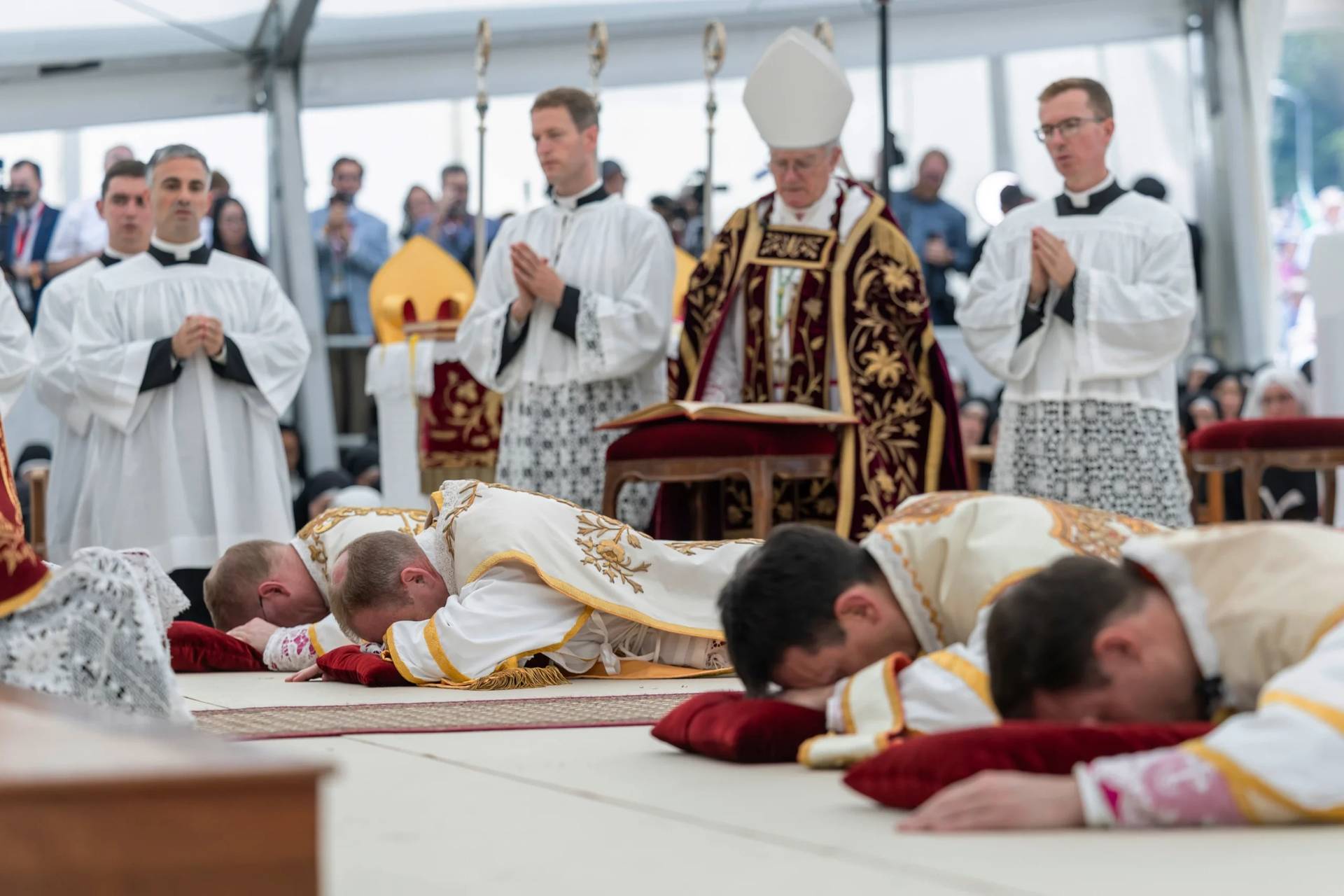
In the 1980s, many Anglo-Catholics became Roman Catholic, and many of them followed Pope St. John Paul II’s “pastoral provision” allowing former Anglican clerics to be ordained in the Catholic Church and creating a special “Use” of the Mass similar to the Anglican liturgy.
RELATED: Visiting an Ordinariate parish in England as new Archbishop of Canterbury visits Rome
In 2009, Pope Benedict XVI established three Ordinariates – special jurisdictions – to serve formerly Anglican parishes and faithful who came into full communion with Rome and desired to maintain their liturgical traditions.
Many Anglo-Catholics who didn’t join these groups instead left the official Anglican Communion and started their own communities.
Despite these problems, Pope Leo told Mullally that efforts must be made to bring Christian unity.
“While our suffering world greatly needs the peace of Christ, the divisions among Christians weakens our capacity to be effective bearers of that peace,” he said.
“If the world is to take our preaching to heart, we must, therefore, be constant in our prayers and efforts to remove any stumbling blocks that hinder the proclamation of the Gospel,” the pontiff continued.
Leo and Mullally later prayed together in the Urban VIII Chapel inside the Apostolic Palace.
In her remark, Mullally said both of them were called to preach the Gospel with “renewed clarity.”
“In the face of inhuman violence, deep division, and rapid societal change, we must keep telling a more hopeful story: that every human life has infinite value because we are precious children of God; that the human family is called to live as sisters and brothers,” she said.
“We must therefore work together for the common good — always building bridges, never walls; that the poorest among us are closest to the heart of God,” Mullally added.
Follow Charles Collins on X: @CharlesinRome