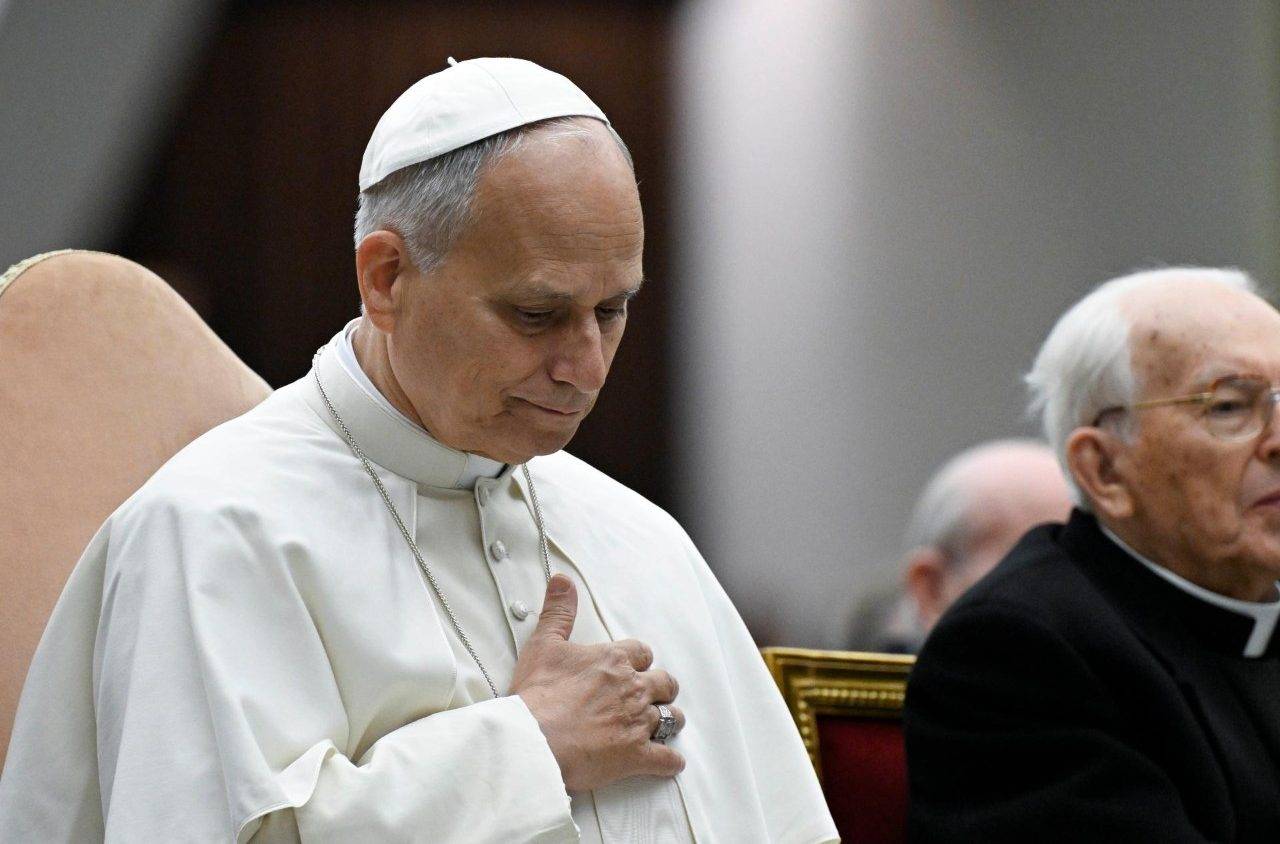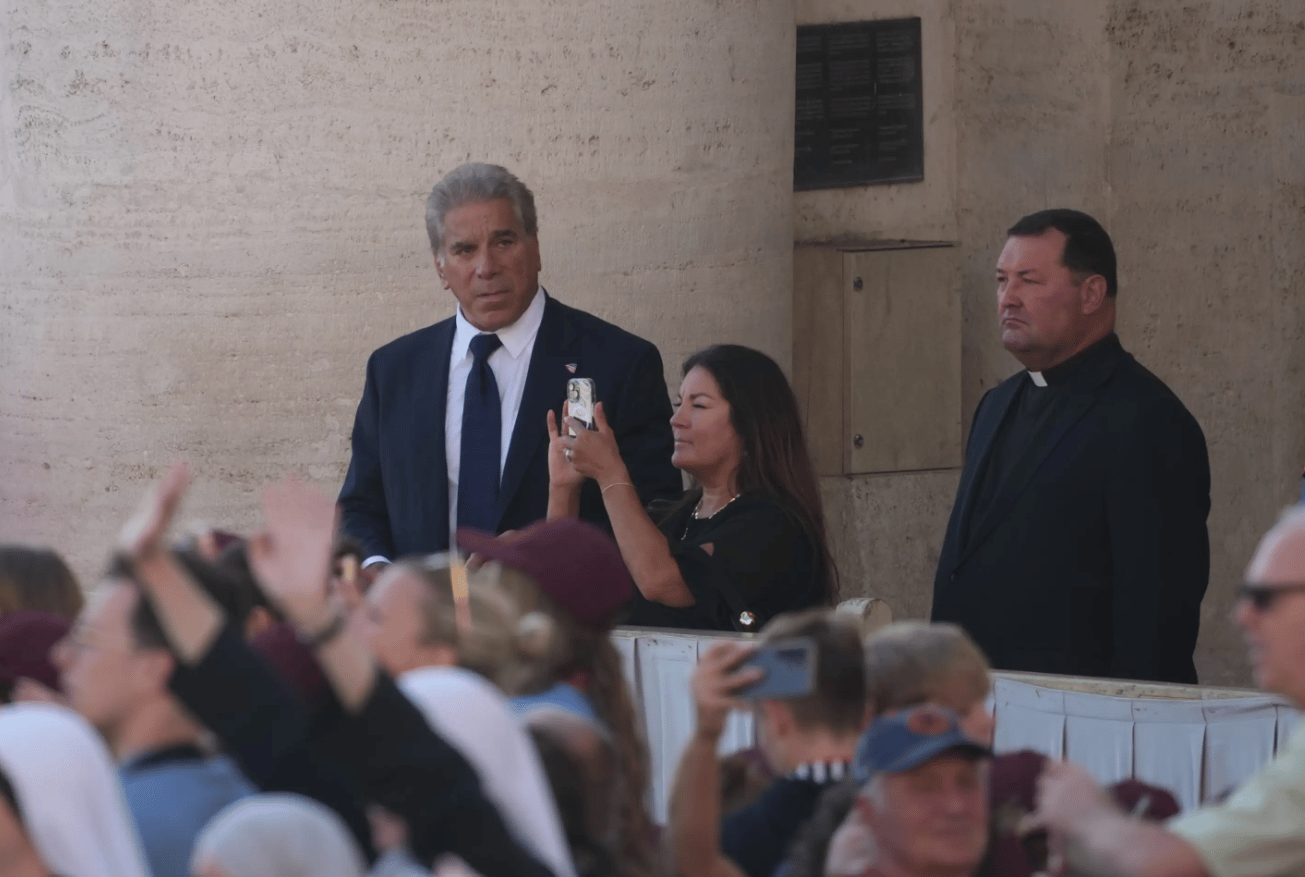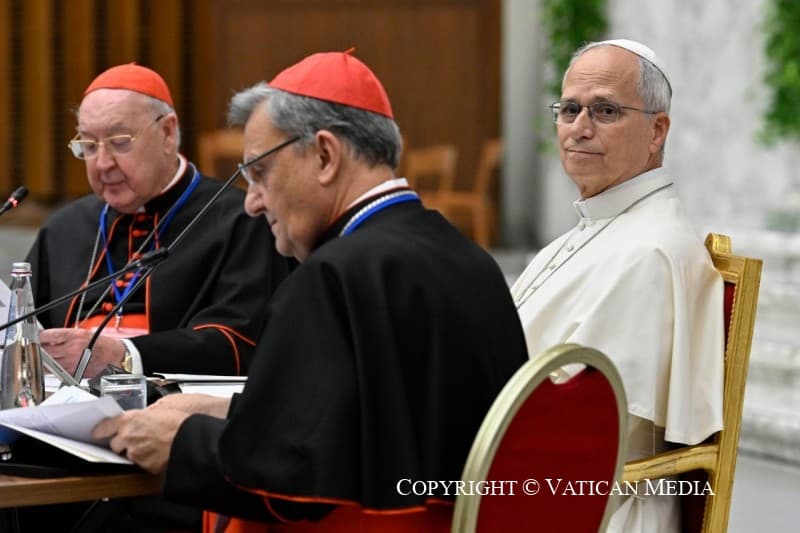
Church leaders from around the world gathered in Rome on Wednesday, the opening day of a week-long meeting called by Pope Leo XIV to assess the decade since the release of Amoris Laetitia, a highly controversial document on the family by Pope Francis.
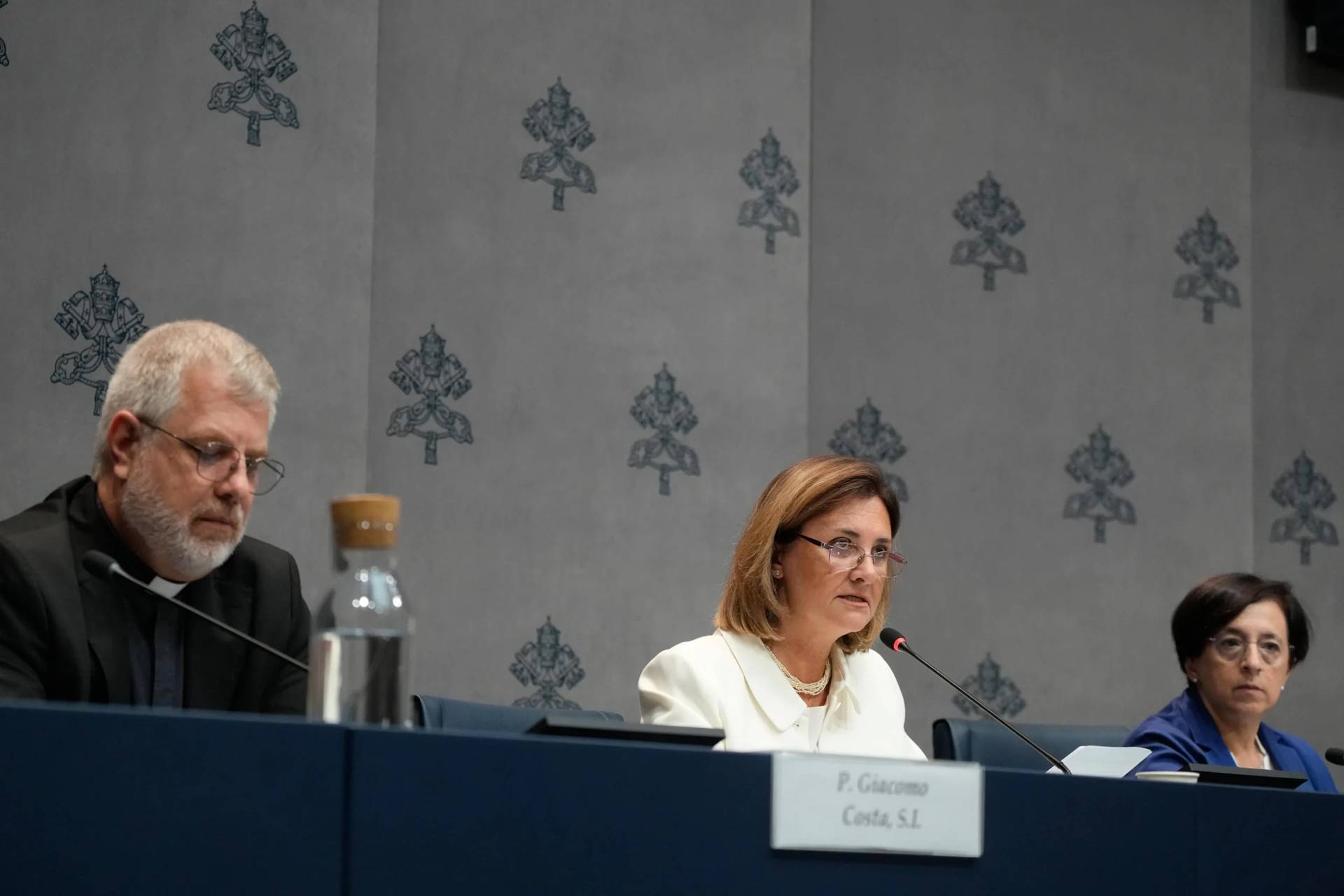
In all, nearly 200 people – bishops, experts, and laity – are taking part in the gathering from Oct. 7 to 14, organized by the Dicastery for Laity, Family, and Life and the General Secretariat of the Synod of Bishops.
Amoris laetitia was the exhortation – a sort of official encouragement – published in the wake of two synod assemblies Pope Francis convoked to address challenges to family life in what was then the middle of the first quarter of the 21st century.
A footnote and a controversy
The 256-page Amoris Laetitia presented Francis’s thoughts on Christian family life and the sacrament of marriage.
The controversy arose mostly from one paragraph in Chapter 8 of Amoris, which was on “Accompanying, Discerning and Integrating Weakness” and dealt with couples in what the Catholic Church has often called “irregular situations,” usually canonically invalid marriages.
RELATED: Footnotes and tea leaves: Pope Leo and Amoris Laetitia
More precisely, the controversy arose from a single footnote – number 351 – which appeared to many observers essentially to vacate the long-standing Catholic rule keeping invalidly married couples from the sacraments so long as they remain sexually active.
Assessing Amoris at ten years
Pope Leo XIV called the meeting of bishops’ conference heads and the leaders of Eastern Churches in March of this year to examine the intervening decade “in light of Amoris laetitia,” in essence to examine its reception throughout the Church and apply its wisdom to emerging challenges.
“Our era is marked by rapid changes,” Leo said in March, “which make it necessary, even more than ten years ago, to give particular pastoral attention to families, to whom the Lord entrusts the task of participating in the Church’s mission of proclaiming and witnessing to the Gospel.”
There are places and circumstances within the church and society that can be reached “only through the lay faithful and, in particular, through families,” he said in announcing the meeting.
“For this reason,” Leo said in his March announcement, “the Church’s commitment in this area must be renewed and deepened, so that those whom the Lord calls to marriage and family life can, in Christ, fully live out their conjugal love, and that young people may feel attracted, within the Church, to the beauty of the vocation to marriage.”
A broad context
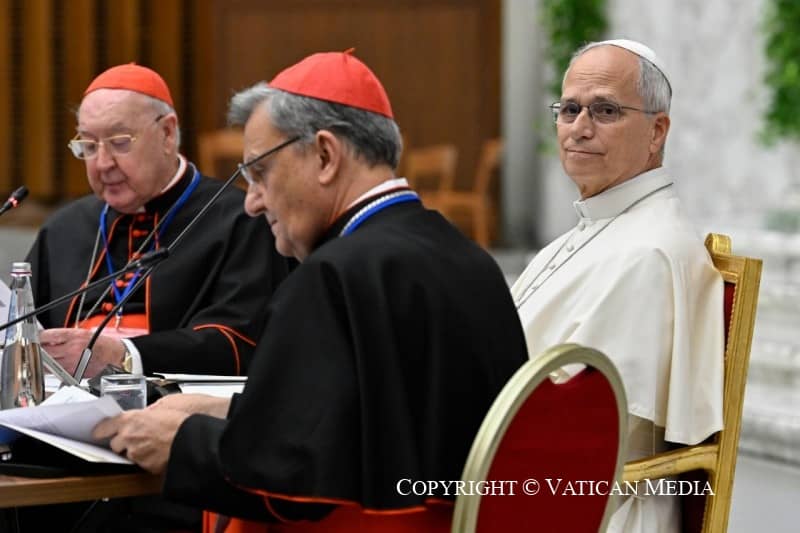
In his opening address to participants on Wednesday, the pontiff placed the meeting within the broader context of the past fifty years – from John Paul I’s desire, realized by Pope St. John Paul II, to hold a synod assembly on the family – and stressed his desire to see the weeklong reflection unfold in a spirit of prayerful and mutual listening.
“This history of more than half a century places upon our meeting a particular responsibility as shepherds,” Leo said, “as the synodal vocation of the whole Church continues to unfold.”
“Within this history,” the pope said, “Amoris laetitia marked an important stage, and the ten years since its publication have become part of the life of our particular Churches.”
Leo noted as well how his immediate predecessor’s exhortation “has been received in different cultures and pastoral contexts, accompanied the concrete lives of families and inspired initiatives and processes.”
“I hope,” Leo told the participants, “that, through the many stories you bring from your Churches and from different cultural contexts, a shared narrative of these ten years may gradually take shape, one marked by joy and hope, and that will enable us to face honestly the trials and difficulties that remain.”
Old challenges, new challenges
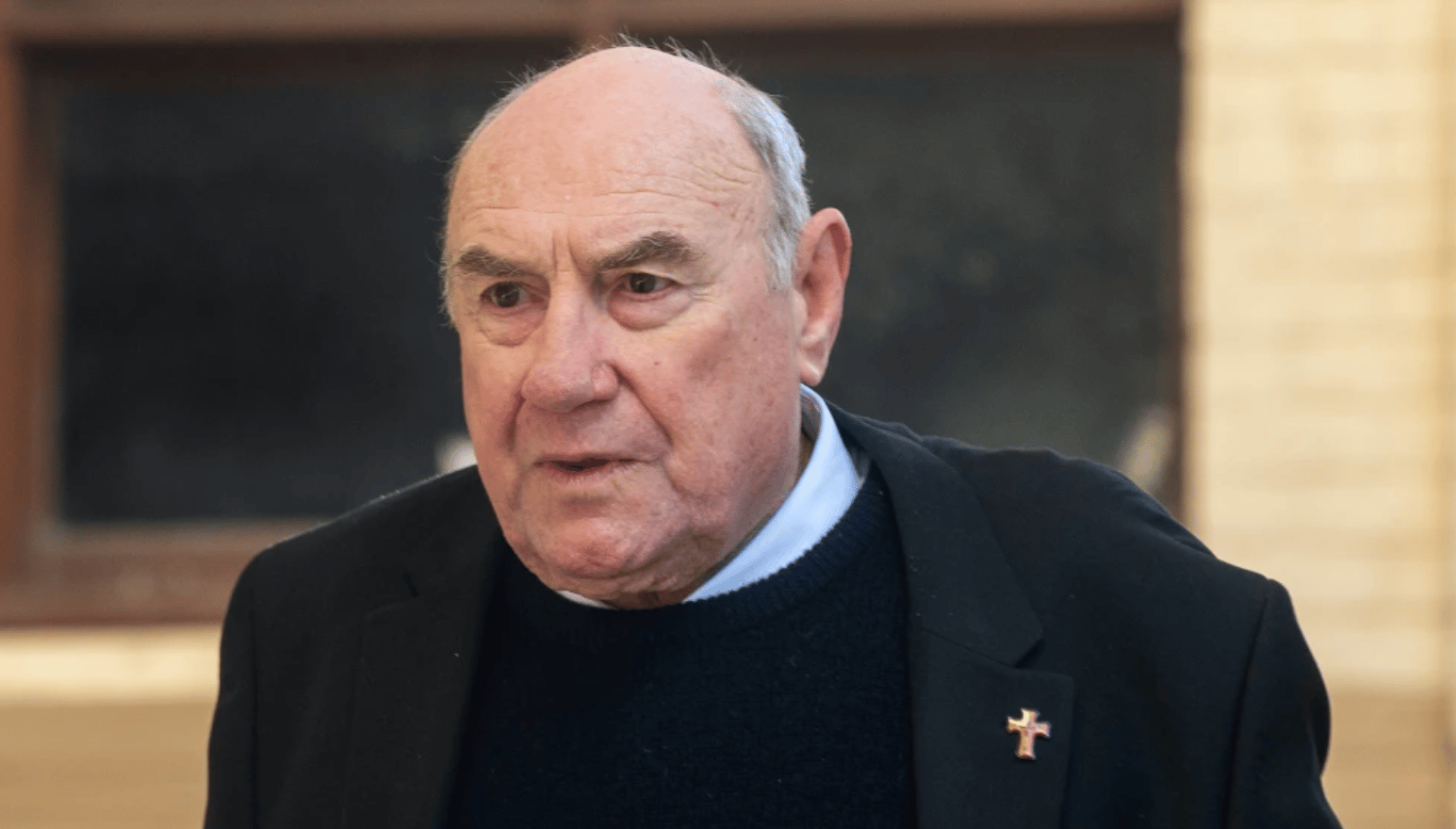
Speaking to Crux Now ahead of the meeting, the Apostolic Administrator of Nepal, Fr. Silas Bogati, said it is too early to say what will come of the gathering, but expressed confidence in the ability of the Holy Father to lead and of the participants to practice discernment.
“It is 10 years after Amoris Laetitia,” Bogati said, “a document deals with major challenges faced by families and the Church.”
Bogati said the meeting is an “occasion to revisit challenges and listen to each other,” and to be guided by the Holy Spirit.
In his address – which he delivered in English, seated at a round table in the Paul VI Hall – the pope noted challenges that increasingly separate the Christian vision of marital intimacy from the lived reality of young people especially.
“In many contexts,” Leo said, “a growing distance has emerged between the ways in which sex and intimacy are lived and the Christian vision of marriage.”
RELATED: All Vatican eyes are on Amoris Laetitia, but what will Pope Leo show them?
“Young people continue to long for love, fidelity and belonging,” he said, “yet many find it difficult to embrace how such a vision of love can take shape in their own lives or to believe that a lifelong commitment is the condition for reaching what they desire.”
The pontiff explicitly cited economic insecurity, migration, violence, loneliness, “and other forms of emotional fragility also shape the choices people make and the possibilities they can imagine for their future.”
“These realities,” he said, “raise a number of questions that we must face with courage.”
Speaking after Pope Leo, the president of the Pontifical Academy for Social Sciences, Sr. Helen Alford, called on participants – especially the bishops – to “encourage young people to take up the great challenge of marriage and family life.”
If they embrace marriage and family life “in the full knowledge that they will experience great fragility as part of the process of realizing its beauty,” she said, “they will find new and unexpected sources of God’s grace and experience a desire for holiness that is their very own,” even “in that fragility.”
After the opening session Wednesday, the conference will proceed behind closed doors.
Pope Leo asked participants to “preserve the discretion and confidentiality that this time of listening and discernment requires.”
“May the Lord give us the freedom to listen to one another,” the pontiff said, “the wisdom to recognize his work among his people, and the courage to follow where he leads us, so that, each day, the Gospel may become ever more fully good news for families throughout the world.”
*Nirmala Carvalho contributed to this report.
______
You are reading this Crux Now article for free. You can register for our free daily newsletter here, and you can become a Crux Now supporter for full access to all our premium content here. To find out more about why becoming a Crux Now supporter is a great idea, go here.