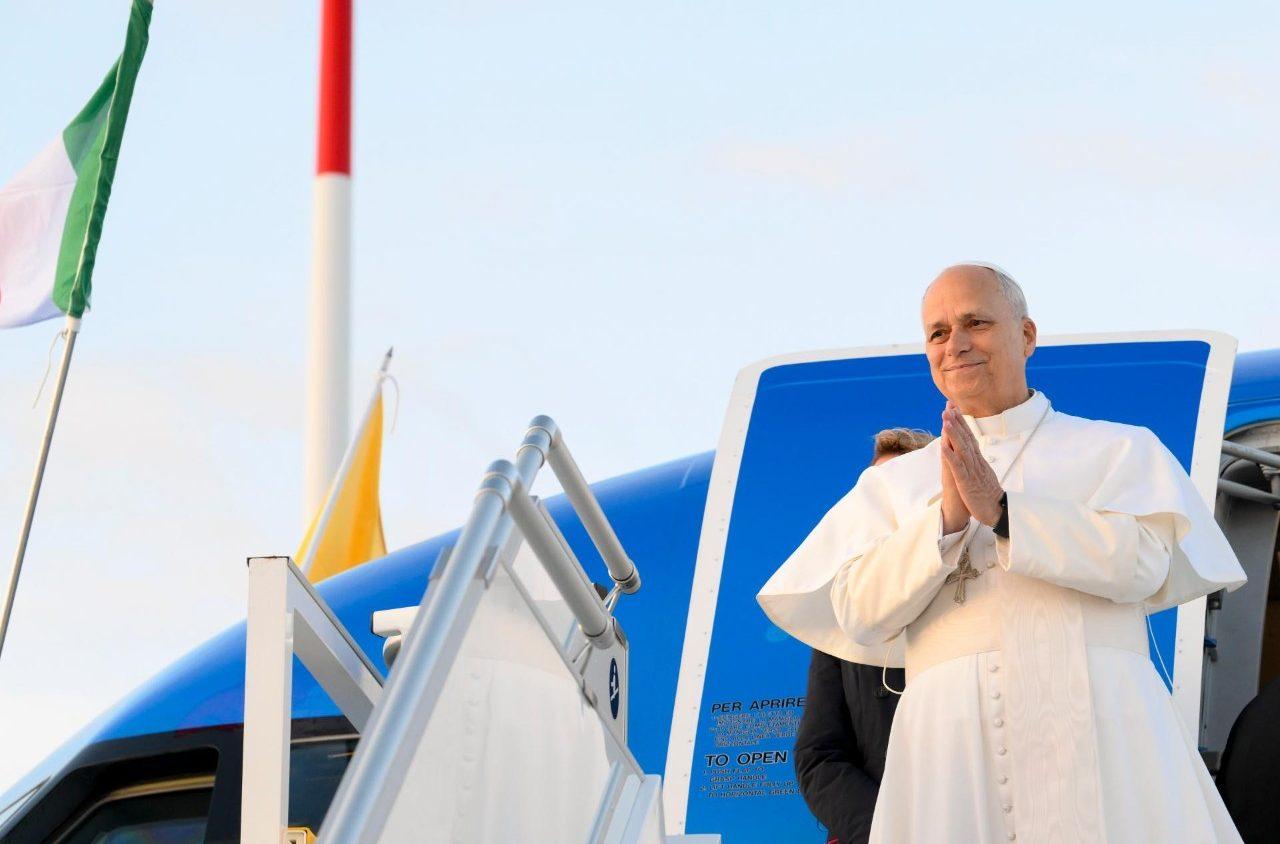
With Pope Leo XIV’s upcoming visit to Spain in need of significant financing, the country’s episcopal conference is resorting to creative methods to generate income, including enticing wealthy donors with the prospect of meeting the pope in person.
In a dossier obtained by Crux Now, the conference lays out a five-tiered sponsorship scale with the top two tiers – “great benefactor” and “benefactor” – being offered the chance to meet the pope in return for sizable donations.
The conference has sent the dossier to businesses, foundations, and individuals of significant means, in hope they will contribute to offset the cost of the visit scheduled for June of this year.
What the bishops are asking – and why
The great benefactor will donate between €500,000–€1 million ($575,000–$1.15 million), and will have a private meeting with the pontiff, a working meeting at the Vatican, and reserved spaces at the events during the trip.
The benefactor option of between €250,000–€500,000 ($290,000–$575,000) has the same benefits as the great benefactor, except the meeting with the pope won’t be private.
A spokesperson from the committee organizing the pope’s trip told Crux Now the Spanish bishops are hoping by such methods to keep the taxpayer from having to shoulder the burden of the papal visit.
“Requesting support, in this case, is our way of covering the material costs of a trip of this magnitude without these falling on taxpayers,” they said.
“The Holy Father, like the Church in Spain, will, as usual, show a gesture of gratitude to all of them, as well as to many others—authorities, volunteers, etc.—in the form of a meeting,” they said.
As you make your way down the scale, there is the “sponsor”, for €50,000–€250,000 ($57,000–$290,000), who doesn’t get a guaranteed meeting with the pope but can use the official “Business Ambassador” title in public communications.
Then there is the “collaborator” for €10,000 ($11,500) who gets inclusion in the official directory of collaborating entities and a mention in event communications and the “friend” of the event who contributes €1,000 ($1,150) and is given formal recognition in the form of a certificate.
“The launch and the actual holding of His Holiness’s trip will be funded thanks to the support of donors, ranging from large companies to small individual contributions, including donations and in-kind contributions, as well as the work of thousands of volunteers,” the spokesperson added.
The estimated costs for the trip are somewhere between €15–€30 million, and normal Catholics in the pew are also being asked to contribute.
Alongside the benefits of the sponsorship package, the Spanish ecclesial hierarchy is also tempting potential donors with the prospect of increased exposure for their company.
The dossier estimates that the visit will exceed 1.5 million in-person attendees and that it will reach a global television audience of 500 million. Further, they expect huge coverage on social media networks, plus the association of their brand with values such as peace and solidarity.
Then there are the tax deductions: due to something called the Patronage Law, deductions can reach up to 40 or 50 percent, and in certain circumstances this could be up to 90 percent if the event is deemed to be of “exceptional public interest.”
Precedents
In 2011, Pope Benedict XVI visited Spain for World Youth Day which was being held in Madrid that year. Like Leo’s visit, funding for the costs of the trip was provided by private entities – and was not without controversy.
Firstly, there was the fact that, as now, donors were offered the chance to meet the pope depending on the size of their donations. Secondly, due to a tax break system, many of the donors received a lot of their money back prompting over one hundred priests to write an open letter complaining that the costs of the trip shouldn’t fall on the average taxpayer.
The concept of giving generous donors special treatment is hardly new, but it is granting direct access to the pope in return to money that has raised eyebrows. For example, during Pope Francis’ visit to the United States in 2015, donors were given front row seats during the events but there is no record of private meetings.
In the United Kingdom the mere mention of leveraging access to the pope to solicit donations will create headlines. Last year, the CEO of one of King Charles III’s charities suggested letting donors attend a meeting between the king and the pope and it was immediately shut down. That didn’t stop it getting splashed across the front pages.
Either way, the Spanish bishops do not seem unduly concerned by such headlines. If they are, they must think it’s worth it in return for being able to finance Pope Leo’s trip which the Mediterranean country is waiting in keen anticipation for.