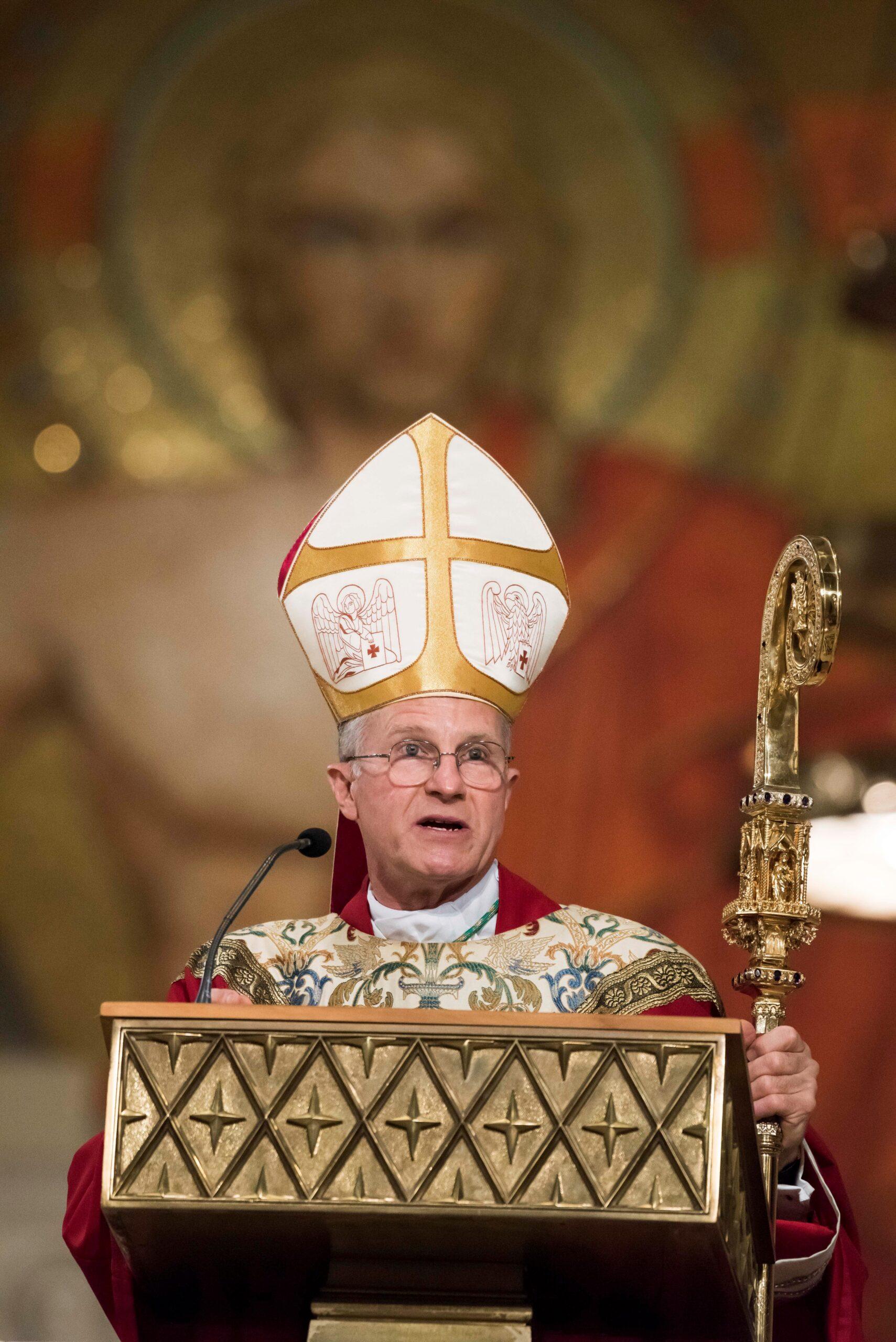
The head of the U.S. Catholic military archdiocese has issued a statement on U.S. military assaults against suspected drug smugglers at sea.
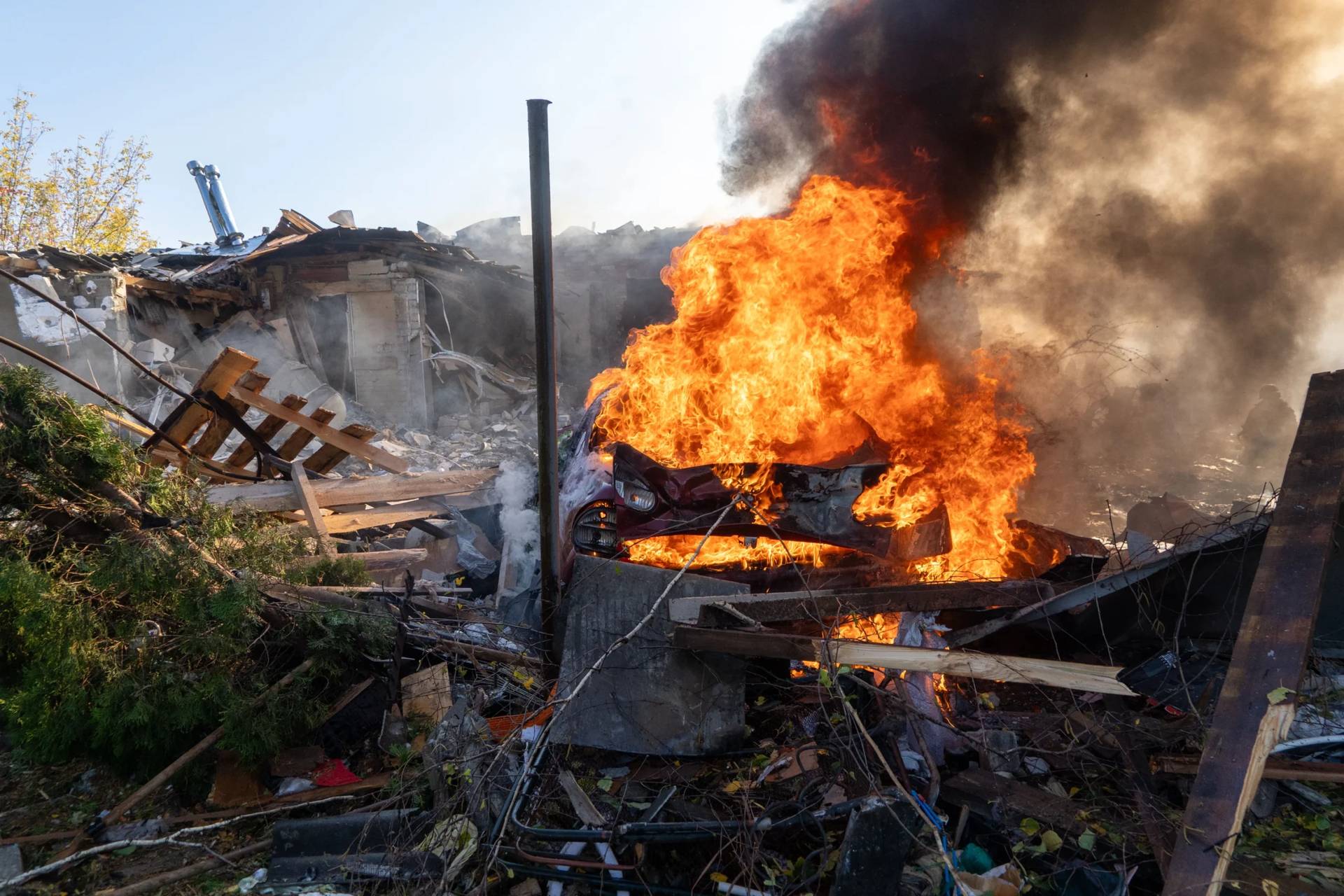
The statement came Wednesday, as the Trump administration and US defense secretary Pete Hegseth continue to face intense scrutiny and fierce criticism following a report from The Washington Post claiming Hegseth had ordered U.S. Navy SEALS to fire on two survivors of an initial strike on a boat suspected of carrying narcotraffickers and their illicit cargo in waters off the Venezuelan coast.
The September 2 incident saw 11 people killed, though similar attacks have killed at least 80 people in recent months.
The operations have drawn criticism from lawmakers in both parties, concerned with both the legality and the morality of the attacks on suspected drug traffickers in the Caribbean, the September 2 incident in particular, since a deliberate attack on survivors of an engagement at sea could be a crime under both US and international law.
Hegseth has denied ordering the second strike and claims he “did not personally see any survivors” after the initial strike on September 2, but also says he did not observe the second strike.
“We do not know if every sailor on a vessel presumed to be carrying illegal drugs knows the nature of the cargo,” says the statement from the Archbishop of the Archdiocese for Military Services USA, Timothy Broglio.
The US Coast Guard has told Congress roughly 80 percent of the vessels they board and search on suspicion of drug smuggling turn out to be carrying narcotics, meaning 20 percent are not transporting illegal drugs.
“We do know that there is a legal way to intercept a suspicious vessel, board it, and have members of the Coast Guard on hand who have the authority to make arrests,” Broglio says.
“Then,” Broglio says, “the courts function in determining the guilty and the appropriate punishment.”
“Due process must apply to everyone,” Broglio says, “regardless of his or her role in illegal activity. The rule of law must guide all actions; abandoning due process undermines human rights, erodes public trust, and risks harming innocent people.”
Broglio’s statement – an extraordinary foray into national affairs from the man who is spiritual leader to Catholics under arms in the United States – remarks as well on the moral principles that must guide both military and civilian decision-making.
“[T]he end the end never justifies the means, which must be moral, in accord with the principles of the just war theory, and always respectful of the dignity of each human person,” Broglio says.
“No one can ever be ordered to commit an immoral act,” Brogio says, “and even those suspected of committing a crime are entitled to due process under the law.”
“As the moral principle forbidding the intentional killing of noncombatants is inviolable,” Broglio writes, “it would be an illegal and immoral order to kill deliberately survivors on a vessel who pose no immediate lethal threat to our armed forces.”
The spiritual leader of U.S. Catholic servicemembers also calls on “our nation’s leaders, legislators, and those specifically charged to direct our armed forces, to respect the consciences of those who raise their right hands to defend and protect the Constitution by not asking them to engage in immoral actions.”
“Show the world our respect for human dignity and the rule of law,” Broglio concludes.