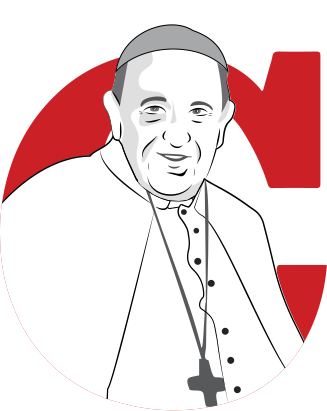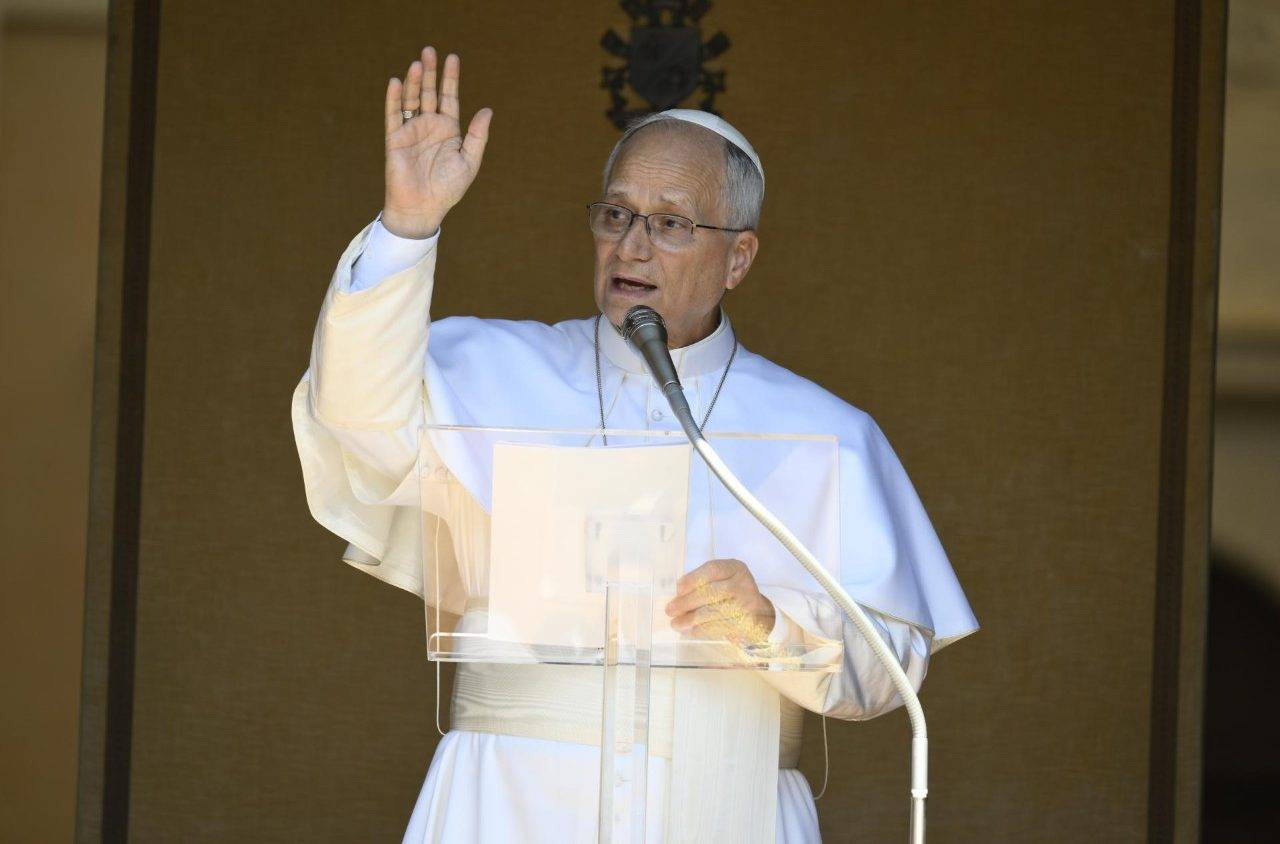
ROME — Pope Leo XIV amplified his condemnation of the U.S.-Israeli war with Iran on Friday, saying that “God does not bless any conflict” and certainly doesn’t side with those who drop bombs.
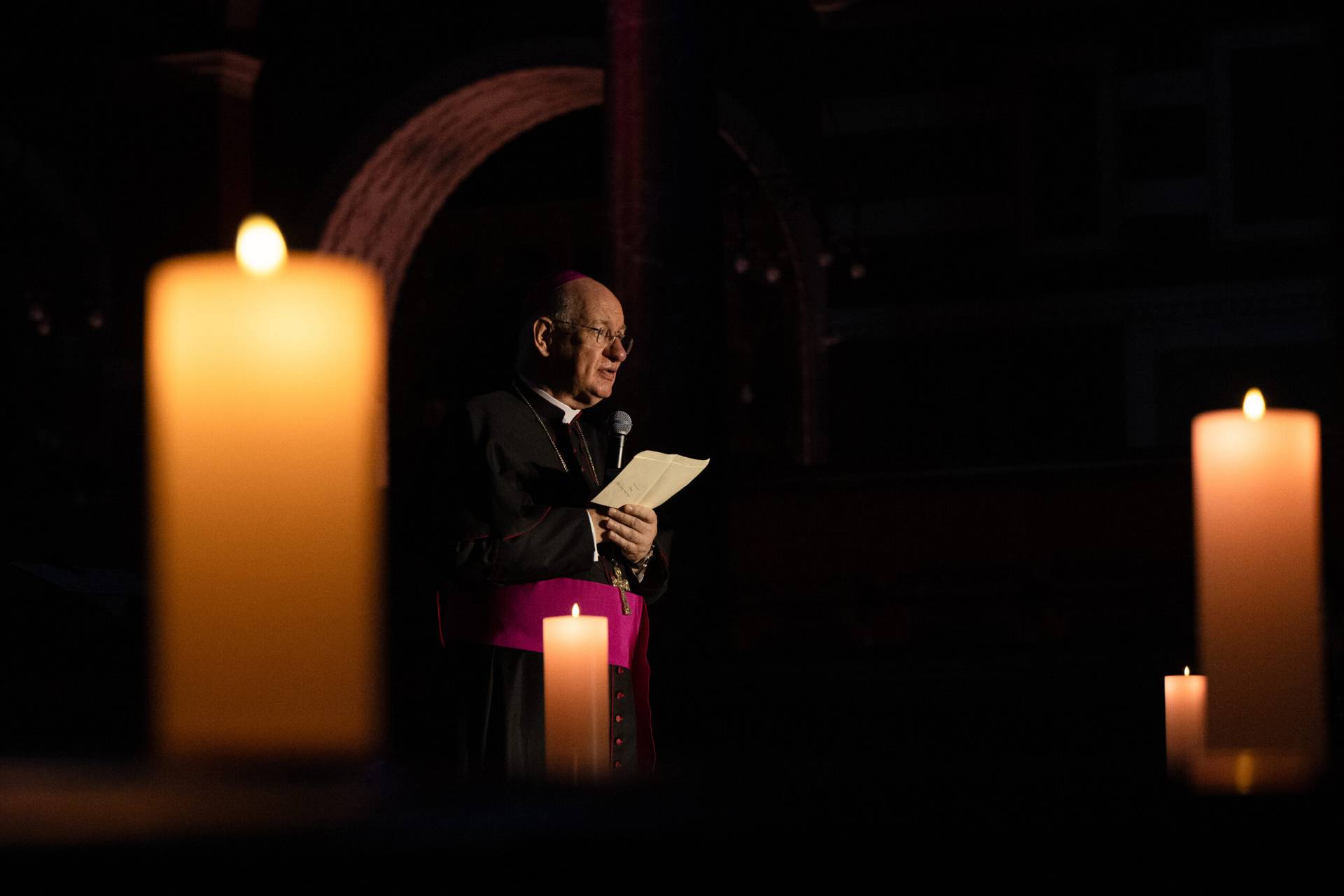
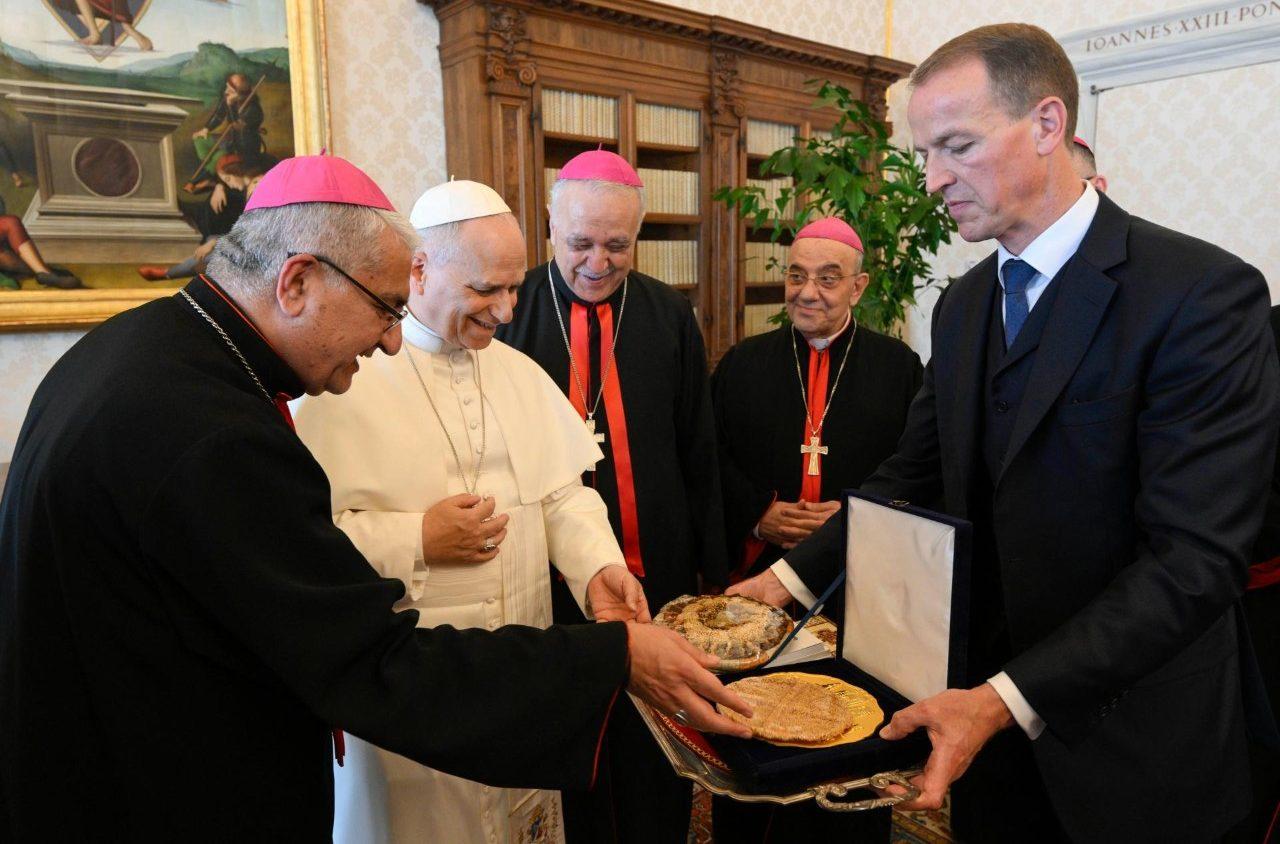
Leo spoke during a gathering of top bishops of the Chaldean Catholic Church in Iraq, an Eastern Rite Catholic church whose clerics are in Rome to elect a new patriarch.
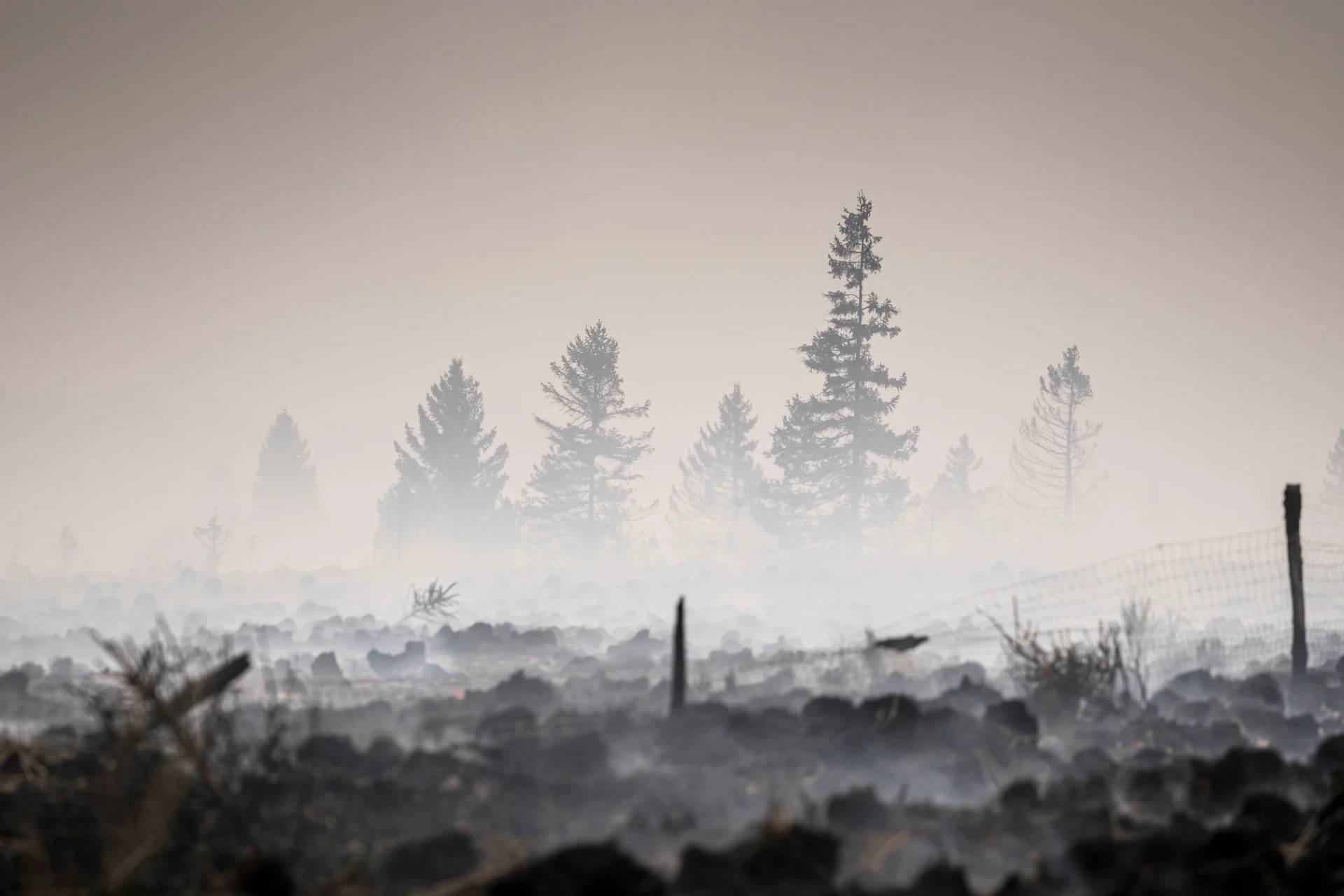
Leo said they were signs of hope “in a world marked by senseless and inhuman violence,” especially in the lands of early Christianity that have been “desecrated by the blasphemy of war and the brutality of business, with no regard for people’s lives.”
He told them that no cause can justify the spilling of innocent blood, and he urged them “to proclaim clearly that God does not bless any conflict; to cry out to the world that whoever is a disciple of Christ, the Prince of Peace, never stands on the side of those who yesterday wielded the sword and today drop bombs.”
To drive the message home, the Vatican posted the quote on Leo’s official @Pontifex handle on X.
A special vigil for peace on Saturday
Leaders have used religion to justify their actions in the war. U.S. officials and especially Defense Secretary Pete Hegseth have invoked their Christian faith to justify the conflict and cast the U.S. as a Christian nation trying to vanquish its foes.
After issuing muted appeals for peace and dialogue during the first weeks of the conflict, Leo stepped up his criticism of the Trump administration starting on Palm Sunday, when he said God doesn’t listen to the prayers of those who make war.
This week, he said President Donald Trump’s threat to annihilate Iranian civilization was “truly unacceptable” and called for dialogue to prevail.
The Vatican is particularly concerned about the spillover of Israel’s war against Hezbollah in Lebanon, given the plight of Christian communities in the south.
Leo on Saturday will preside over a special vigil prayer for peace in St. Peter’s Basilica. The vigil was organized before the announcement of high-level talks between the U.S. and Iran, which are expected to start Saturday in Pakistan.
Despite the pope’s increasingly critical tone, both the Holy See and the U.S. government appeared eager Friday to tamp down suggestions of frayed relations. Those suggestions were fueled this week by a news report of an allegedly contentious meeting in January between the Pentagon and the Vatican’s outgoing ambassador to Washington, Cardinal Christophe Pierre.
The Jan. 22 meeting occurred well before the war, but after the Chicago-born Leo had issued a strong but veiled criticism of U.S. military intervention in a major foreign policy address to diplomats accredited to the Holy See.
In a rare official comment on a media report, the Vatican on Friday said Pierre’s attendance at the Pentagon meeting was part of his “regular duties and provided an opportunity to exchange views on matters of mutual interest.” The suggestion that the meeting was acrimonious “does not correspond to the truth in any way,” the statement said.
The U.S. Embassy to the Holy See quickly thanked the Vatican for its statement.
Spiritual renewal for Chaldeans after scandal
The Chaldean Catholic Church represents more than a million Aramaic-speaking Christians who are primarily from Iraq. Its top clerics are electing a patriarch to replace Iraqi Cardinal Louis Sako, 76, who had led the church since 2013.
Leo on March 11 announced Sako’s retirement, on the same day he accepted the resignation of a U.S.-based Chaldean bishop, Bishop Emanuel Shaleta. Shaleta had pleaded not guilty a day earlier to 16 felony counts alleging he embezzled $270,000 from his California parish.
In his comments to the Chaldean bishops Friday, Leo made several references to the challenges they have faced in recent years.
He thanked Sako for his “ significant contributions ” but said now was a time for “spiritual renewal,” with newfound adherence to faith, preservation of tradition and observation of obedience and chastity.
“I urge you to be attentive and transparent in the administration of goods, sober, measured, and responsible in the use of mass media, and prudent in public statements, so that every word and action may contribute to building up — and not to harming — ecclesial communion and the church’s witness,” he said.