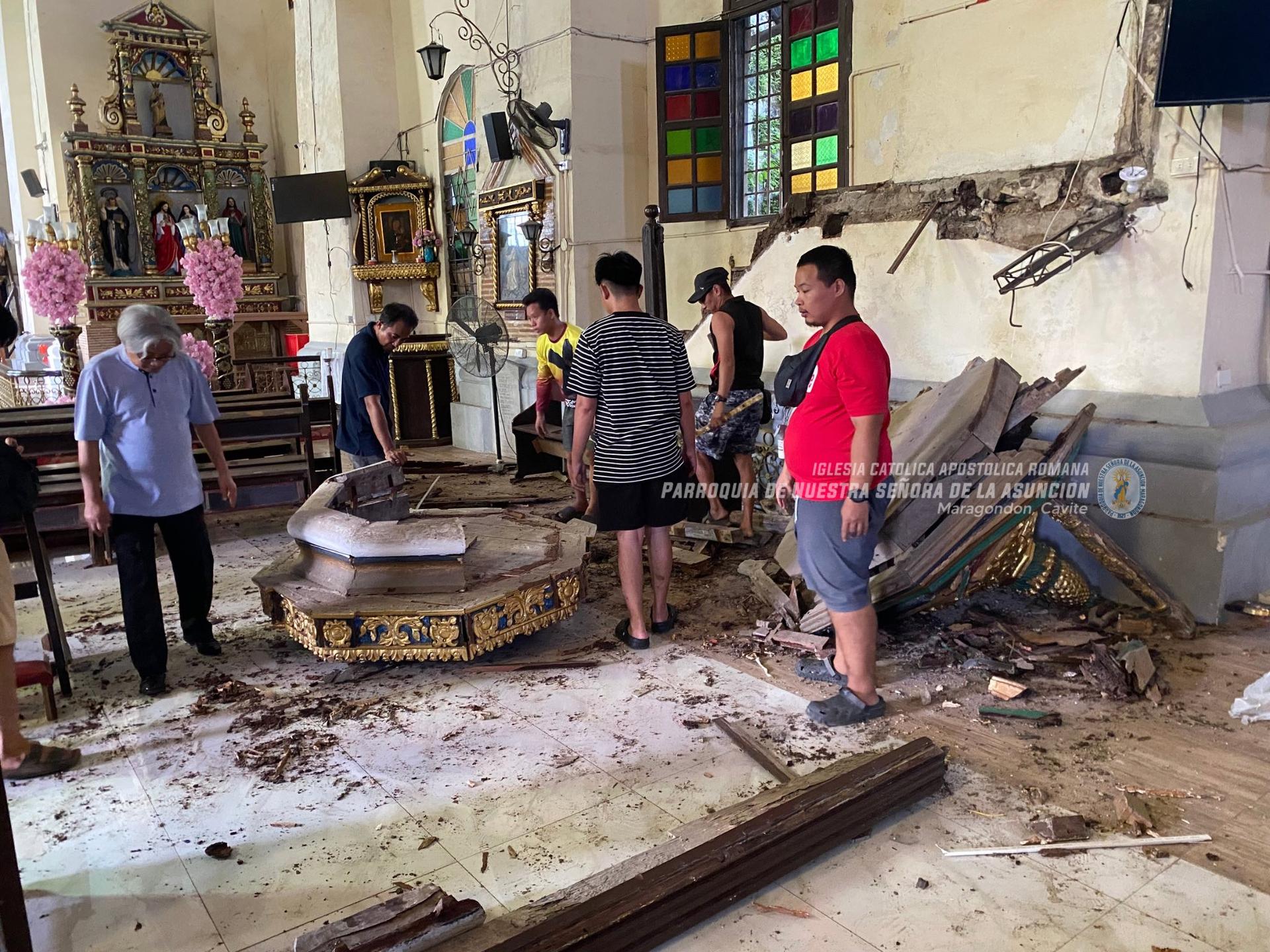
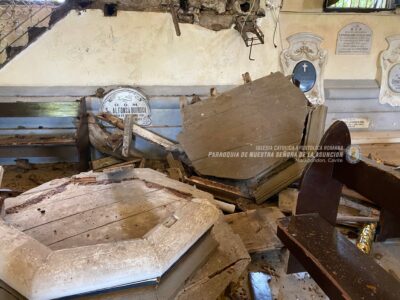
MANILA, Philippines – A 300-year-old pulpit, considered a national cultural treasure in the Philippines, collapsed in a church south of Manila two weeks before Christmas.
It was a reminder of the state of heritage structures in the Philippines, a former Spanish colony that is home to some of Asia’s oldest Catholic churches.
The collapse of the centuries-old pulpit was confirmed by the parish, Our Lady of the Assumption in Maragondon, Cavite province, in a Facebook post on Dec. 15. The incident took place on Dec. 12, the parish said.
An investigation by the National Commission for Culture and the Arts, which oversees heritage structures, revealed that the collapse was caused by an “internal structural failure” involving the pulpit’s tornavoz or sound bar.
The Parish of Our Lady of the Assumption is one of the most popular churches in the Diocese of Imus in Cavite, where Cardinal Luis Antonio Tagle, now a pro-prefect at the Dicastery for Evangelization, was once the local ordinary.
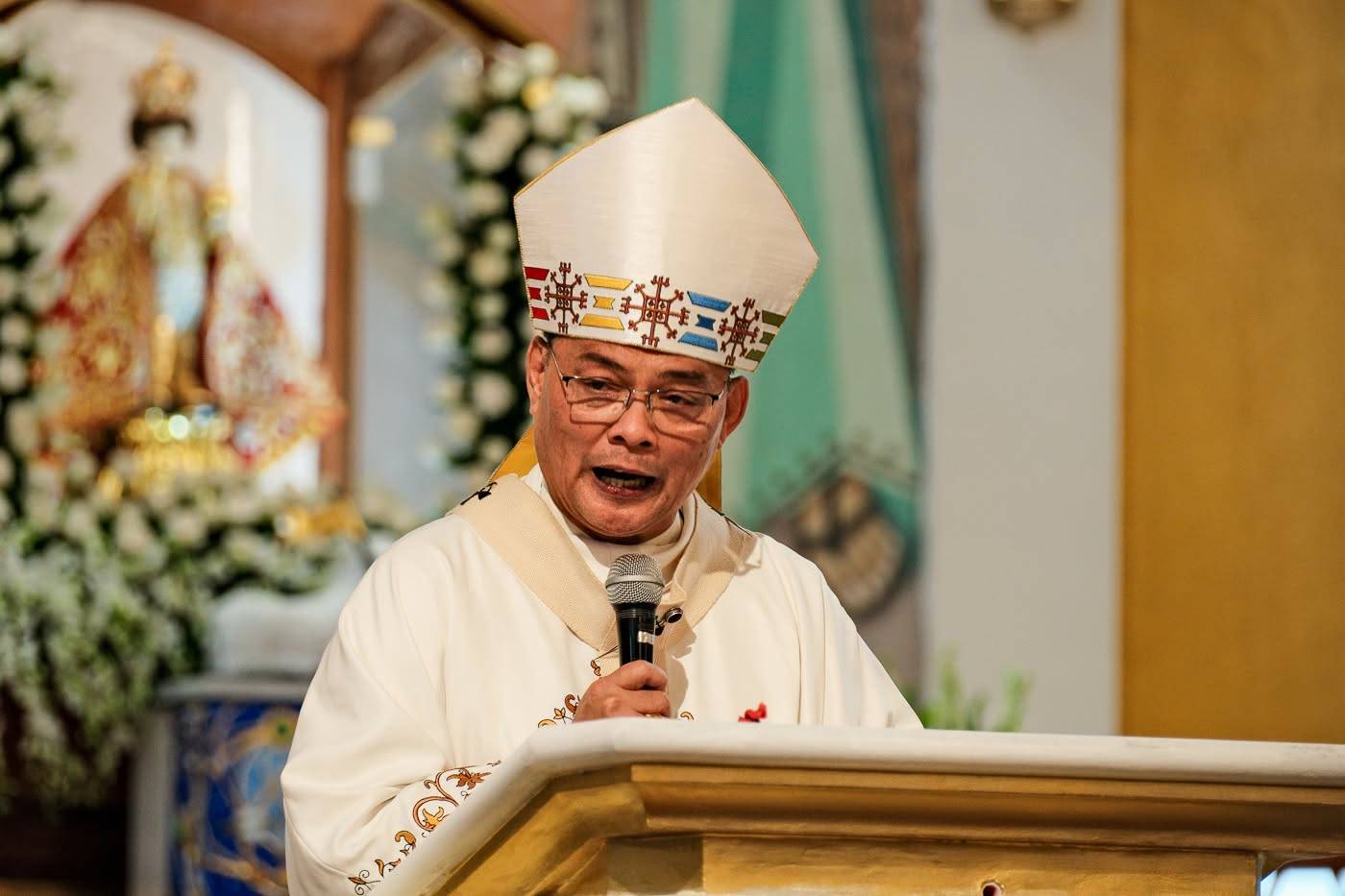
Bishop Reynaldo Evangelista of Imus was immediately informed of the incident.
The parish said that “all the fragments of the pulpit have been carefully collected and are currently ensured and monitored in the parish baptistry.” The NCAA said that immediate action was needed even as the pulpit’s recovered wooden panels were in good condition.
“We ask for your continued prayers. We assure you that we will do everything in accordance with the highest conservation standards to restore our historic pulpit to its former glory,” the parish said.
The Maragondon church was first built by the Jesuits in 1618 and was demolished in the mid-1640s to prevent it from being used by Dutch invaders. It was rebuilt in wood in 1650, and then reconstructed as a stone church in 1714.
It was declared a national cultural treasure in 2001.
The government defines a national cultural treasure as “a unique object found locally, possessing outstanding historical, cultural, artistic and/or scientific value which is significant to this country and nation.”
“This honor, bestowed in 2001, recognizes the church not only as a place of worship but also as a priceless symbol of our rich heritage, Spanish colonial architecture, and deep-rooted faith,” said the local government of Maragondon in a Facebook post on July 31, the 24th anniversary of its declaration as a national cultural treasure.
“Built in the 18th century, the church stands as one of the few remaining examples of Baroque architecture in Cavite, featuring intricately carved wooden retablos, coral stone walls, and a unique pulpit — all testaments to the craftsmanship and devotion of generations past,” the local government added.
The law requires such treasures to be protected by the state through the National Museum of the Philippines.
Poor maintenance, however, has endangered many of these heritage churches. It is a problem compounded by the numerous disasters striking this tropical country that lies on the Pacific Ring of Fire, making it more prone to volcanic eruptions and earthquakes.
On Sept. 30, for instance, a magnitude 6.9 earthquake damaged at least five historical churches in the Archdiocese of Cebu, the biggest diocese in the country. The churches had been built in the 1800s.
“These sites, many built of coral stone and representing more than a century of religious and community heritage, have reported structural and cosmetic damage based on the findings of the rapid assessment team organized by the Archdiocese of Cebu,” the Department of Tourism reported back then.