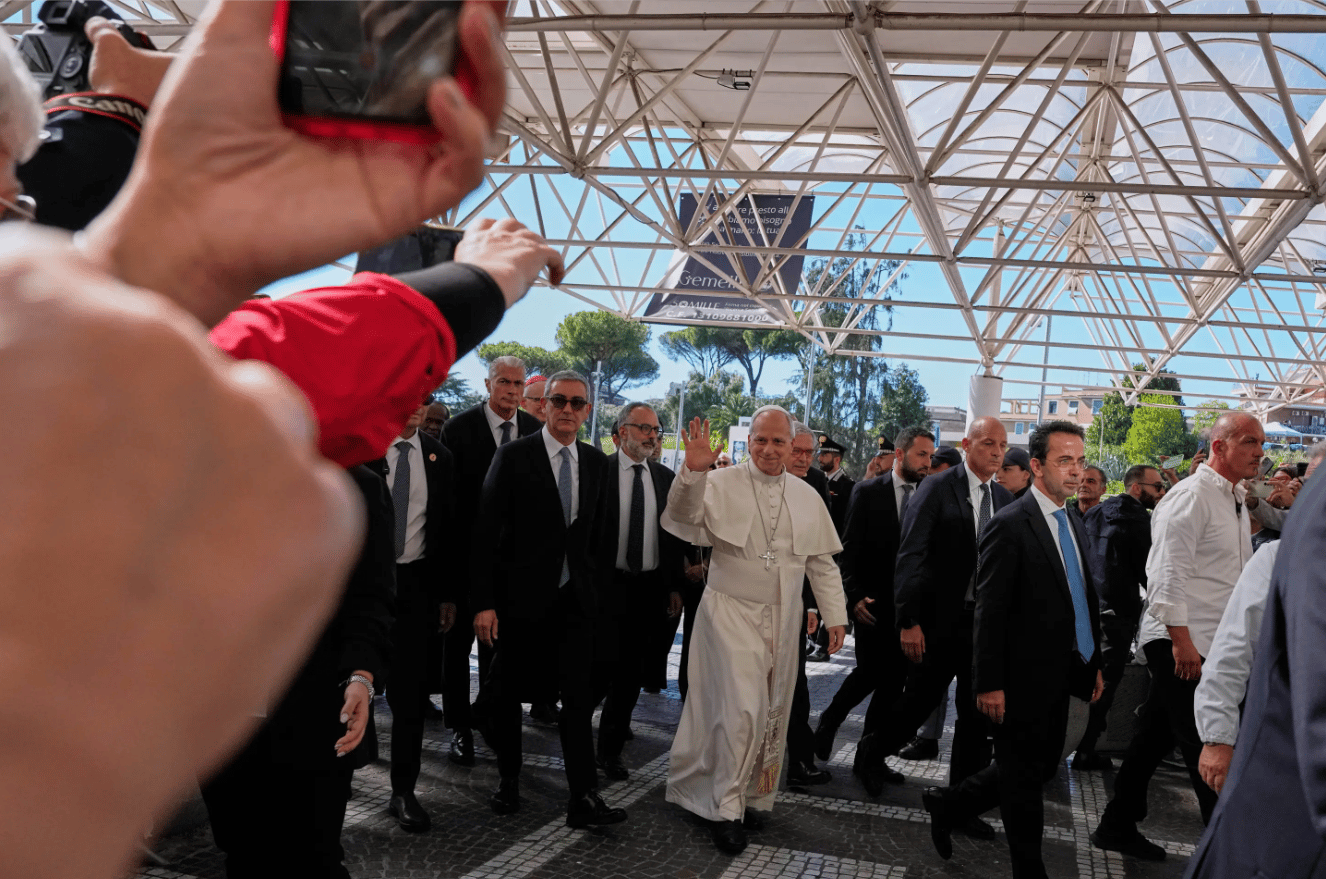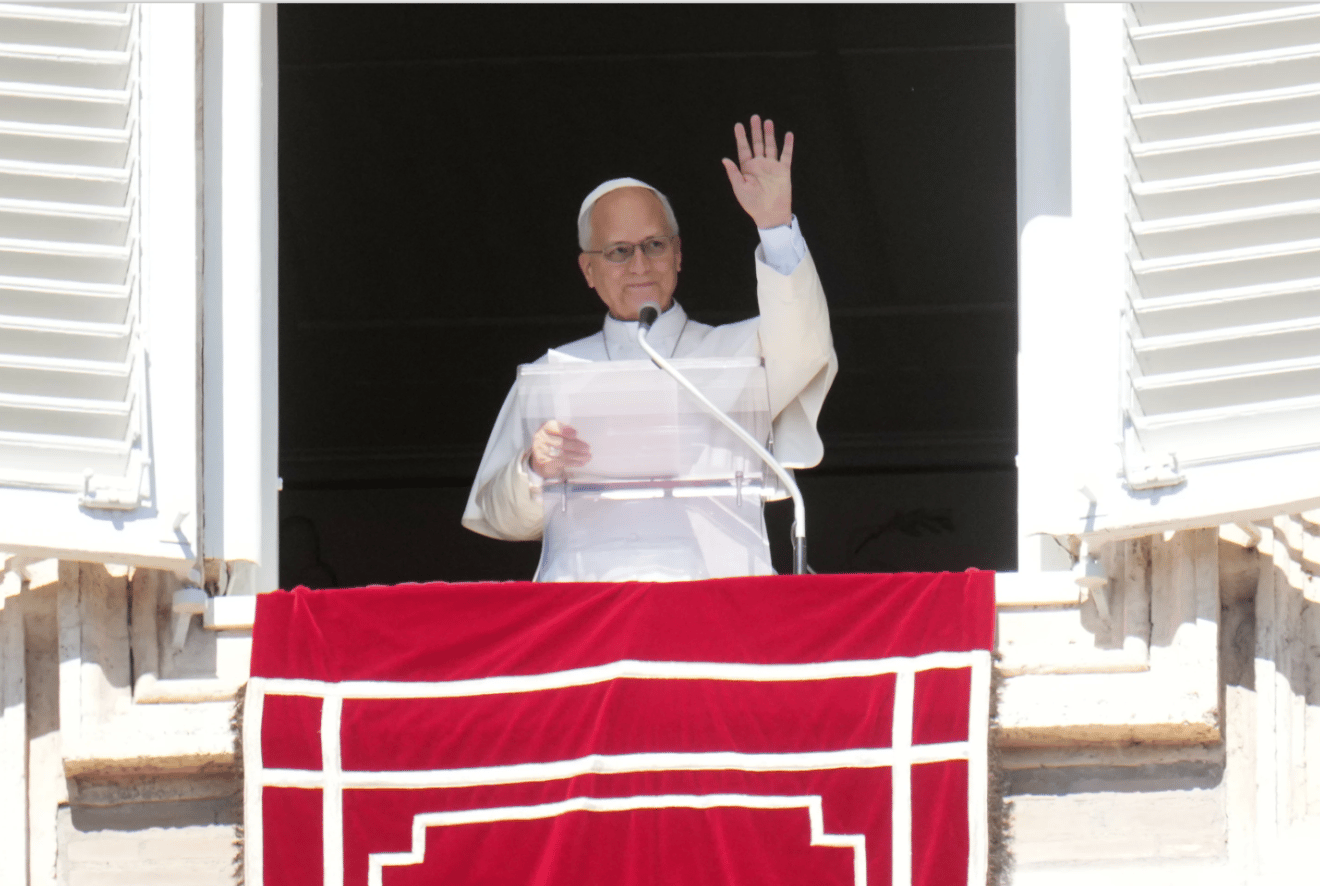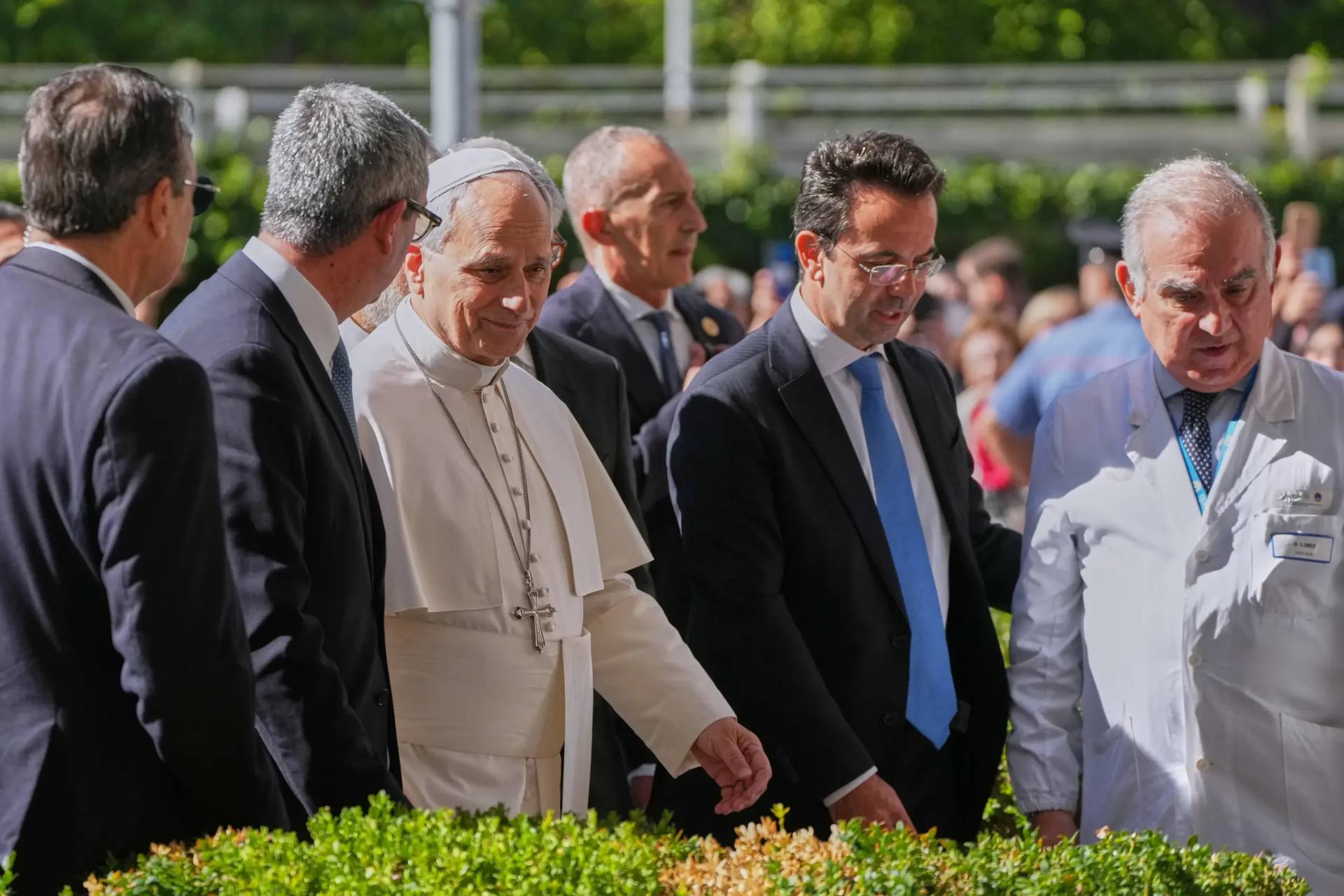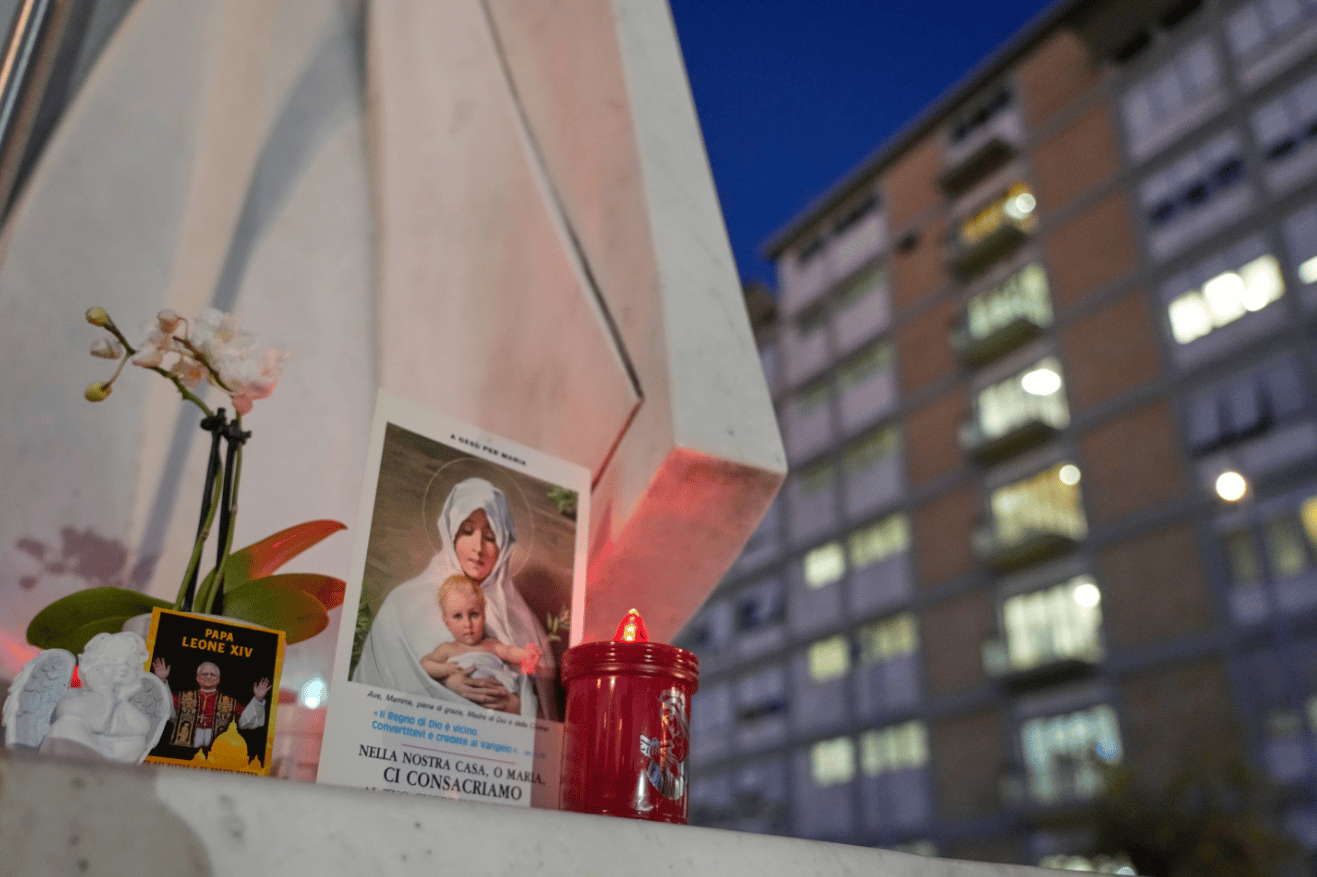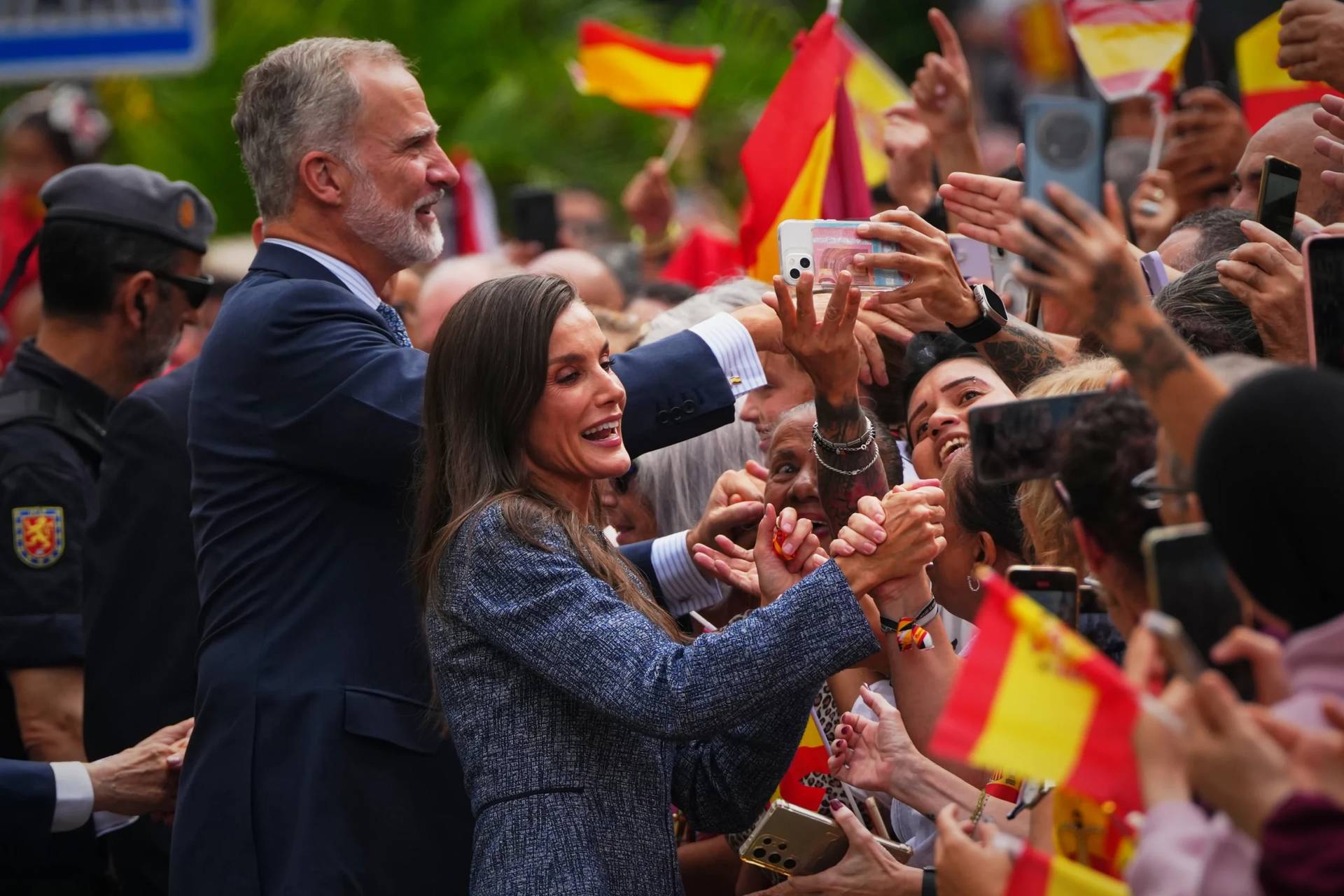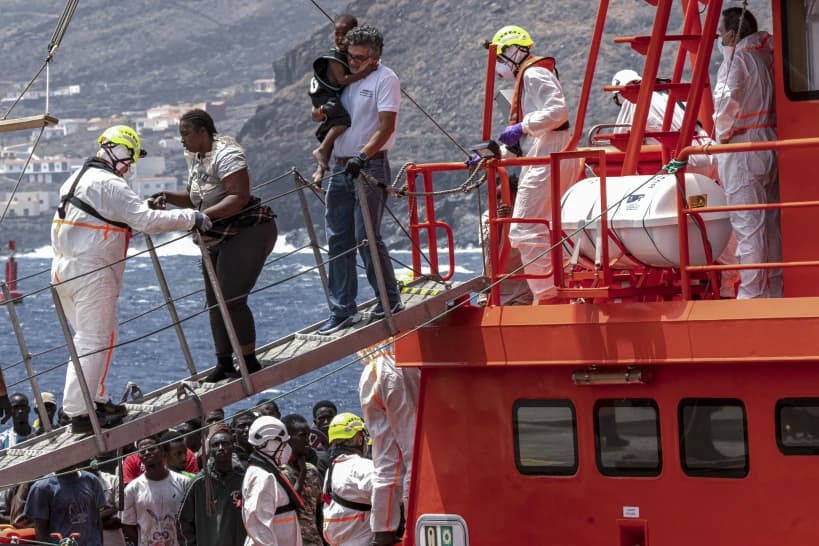
With Pope Leo XIV set to visit the Canary Islands – a major entry point for migrants entering Europe – during his trip to Spain in June, the local bishop has warned that both sides of the political aisle use immigration to further their own aims.
Spain recently approved a plan to regularize the status of 500,000 migrants which has sparked fierce debate in the country and José Mazuelos, bishop of Canarias, warned that weaponizing immigration politically is “a ticking time bomb.”
“Let’s not use immigration for votes. That is a ticking time bomb. Politicians must stop politicizing immigration and seek solutions together. For example, with regularization: the process was handled badly, but everyone agrees on the substance,” Mazuelos said in an interview with The Objective.
“Another matter is that our politicians want to manipulate immigration. I never tire of saying that immigration cannot become part of political polarization and be used politically because, theoretically, everyone is partly right and partly wrong,” he added.
The pope and the Trump administration have clashed repeatedly in recent months, with immigration emerging as one of the main points of friction.
Shortly after President Donald Trump called the pope “weak” on crime in a lengthy social media post, Tom Homan, the administration’s border czar, said of the Vatican, “I wish they’d stay out of immigration, they don’t know what they’re talking about.”
In 2025, JD Vance, the vice president of the U.S. and a convert to Catholicism, criticized the bishops’ conference of the U.S. for its condemnation of the administration’s immigration policy.
“I think that the U.S. Conference of Catholic Bishops needs to actually look in the mirror a little bit and recognize that when they receive over $100 million to help resettle illegal immigrants, are they worried about humanitarian concerns? Or are they actually worried about their bottom line?” Vance said.
Spain’s bishops have also publicly clashed with Vox, the country’s far-right party, about the issue of immigration, with Santiago Abascal, the leader of the party, echoing Vance by implying on more than one occasion that the bishops’ pro-immigration stance is influenced by government handouts.
“Some people who profit from illegal immigration should leave the palace and go down to see the consequences it has for Spaniards—for healthcare, security, wages, and taxes,” Abascal said in April in response to comments by Mazuelos.
Against this backdrop, Mazuelos warned that instead of using immigration as a way to get votes, world leaders should be working on finding “the most humane solutions possible.”
“Immigration has many dimensions and many faces, depending on the type of immigration involved. This is not about polarization or using it for ideology and votes, but about finding the most humane solutions possible,” the bishop said.
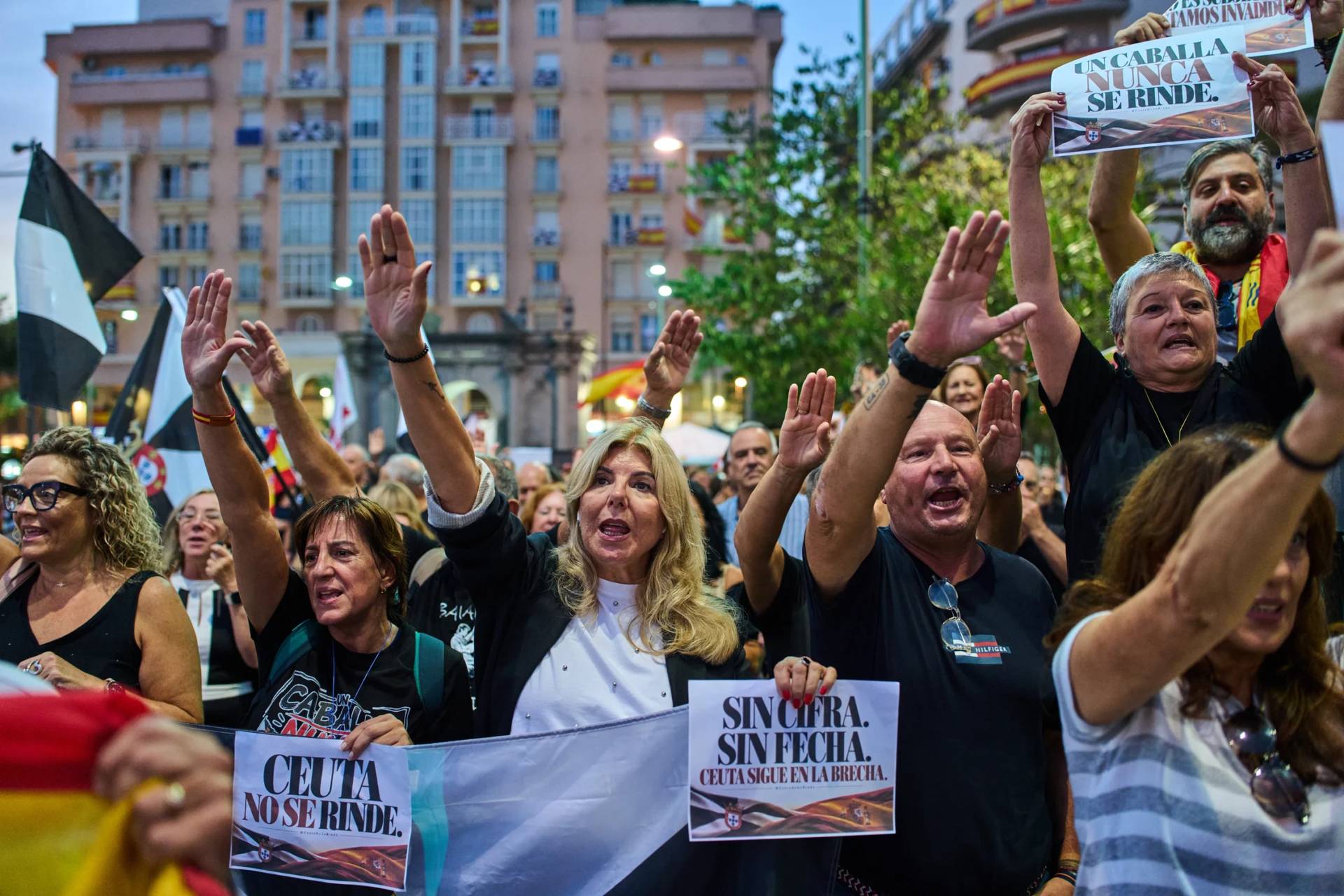
Mazuelos also criticized the left for using immigration politically, saying the regularization of migrants was influenced by upcoming local elections.
“More than because of the pope’s visit, it was because of the elections in Aragón—it was politically useful. Once again immigration is being used to polarize, gain votes, and feed ideological narratives for both the far right and far left,” he said.
“One grows tired of this political use. The common good seems lost. Everything is about the party’s interest and ideology,” he added.
Mazuelos welcomed the pope’s visit to the Canary Islands, saying it could help unify the country.
“Pope Leo XIV will make that call for unity and hopefully we can remove immigrants from political debate. Instead of polarizing, politicians should say what they are going to do for the common good,” he said.
“But it is easier to polarize than to talk about healthcare and housing. For many years we have ideologized politics instead of keeping our feet on the ground and seeking a reality that is better for everyone,” he added.
However, Mazuelos said the pope “is not coming to scold anyone or tell anyone off” and that his visit is not only about immigration policy. “It will strengthen the Church in the Canary Islands in facing the new evangelization,” he said.