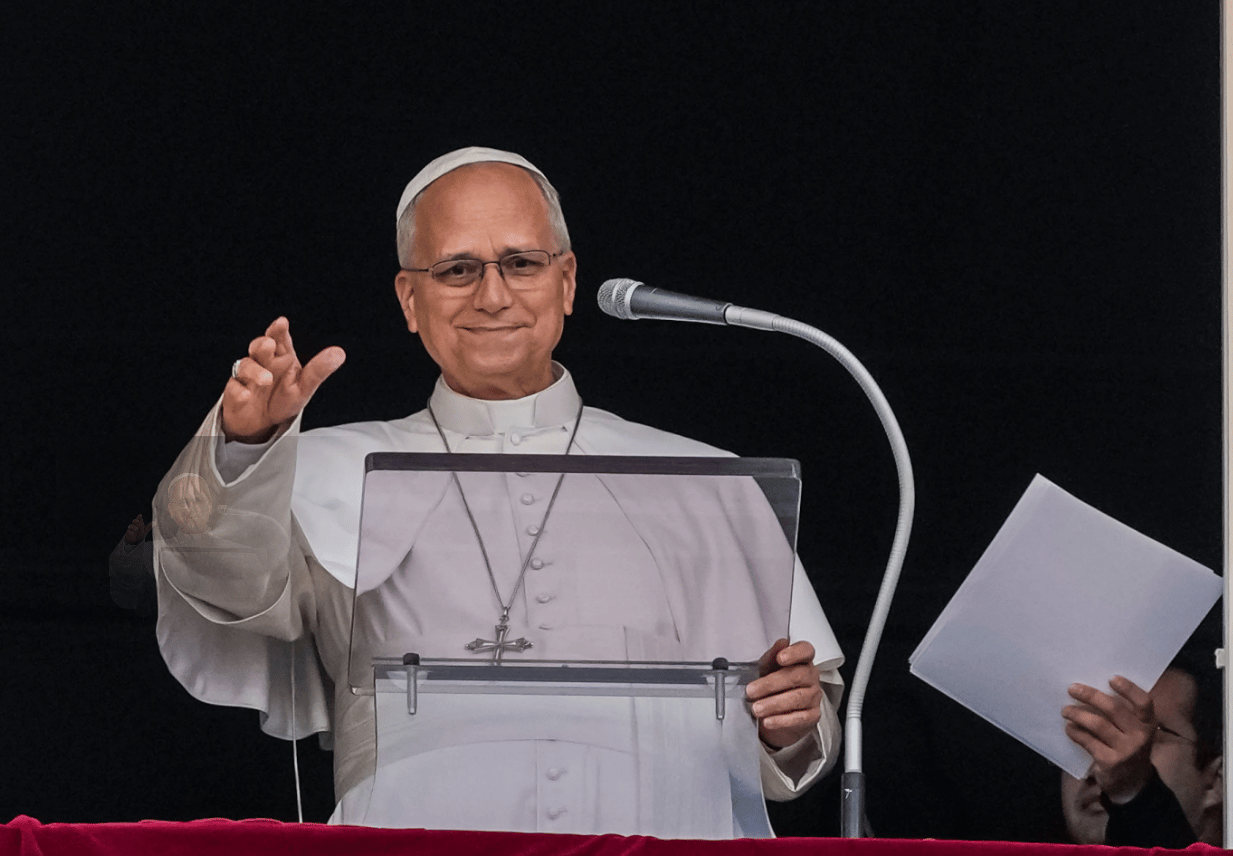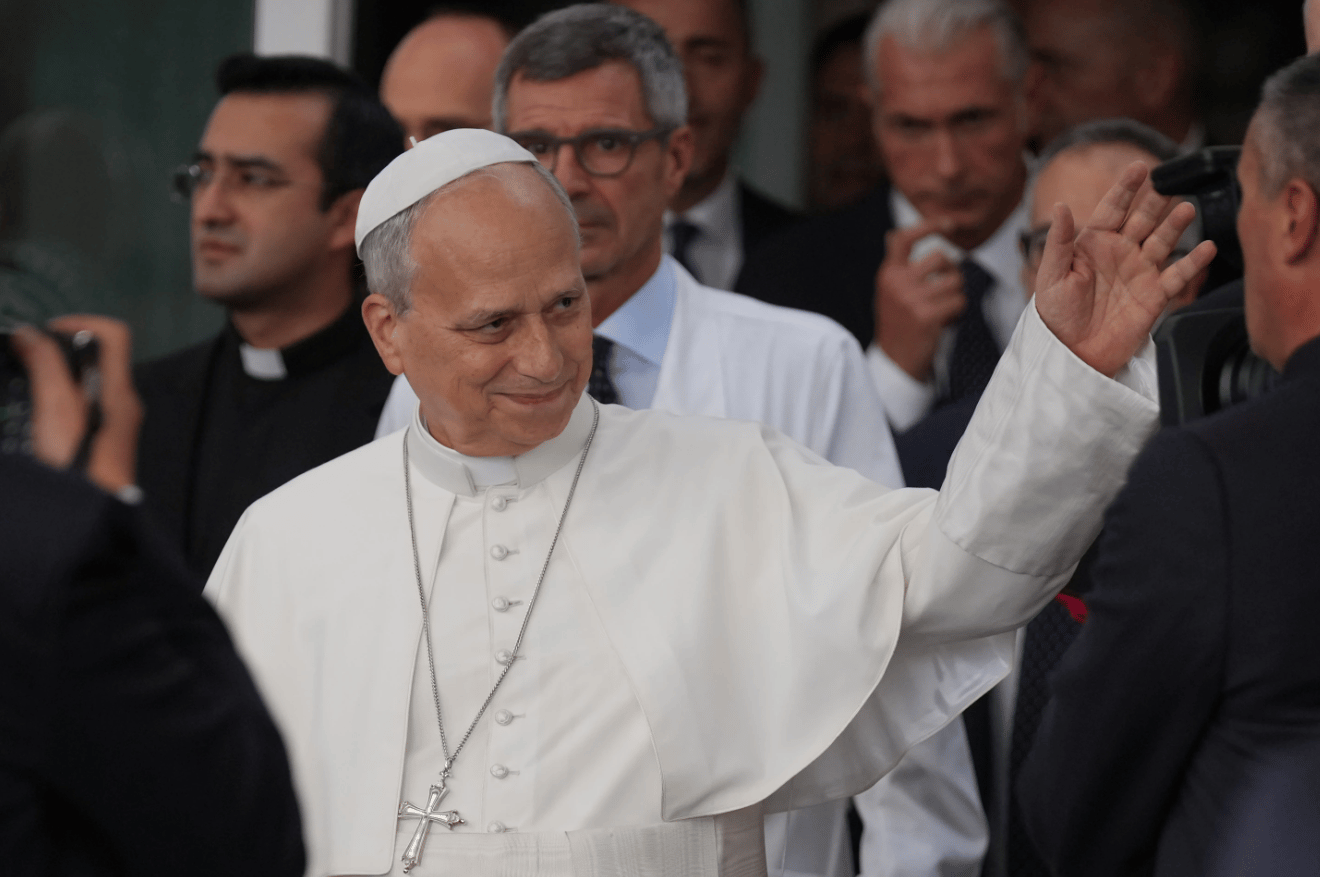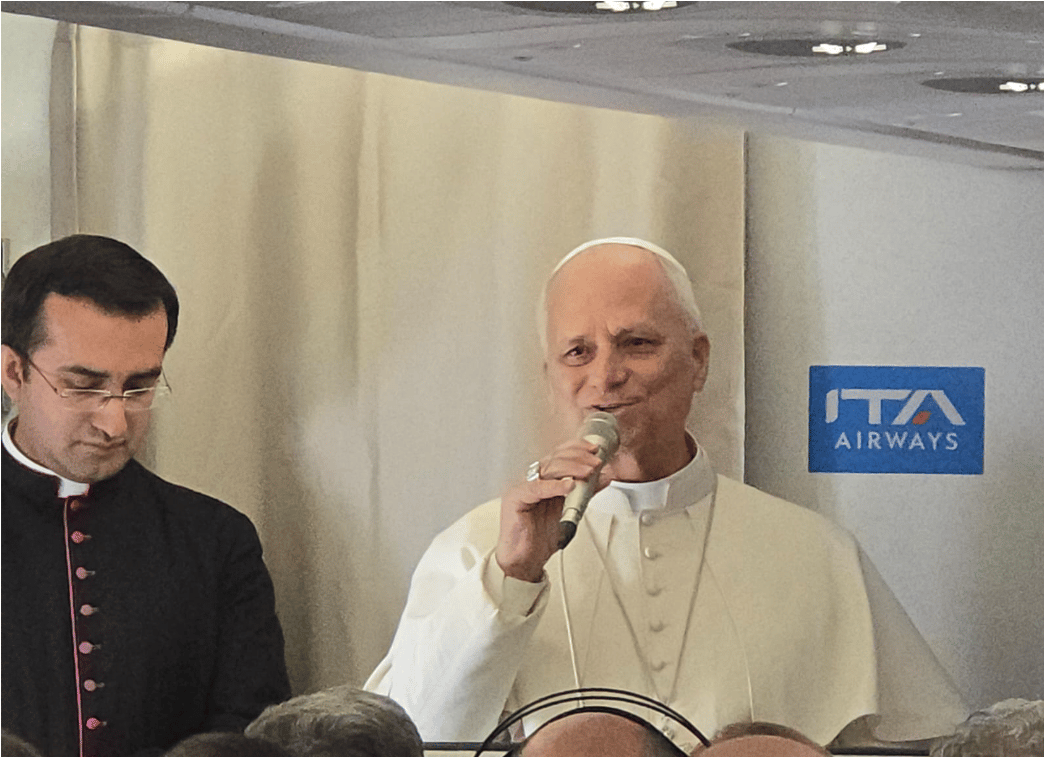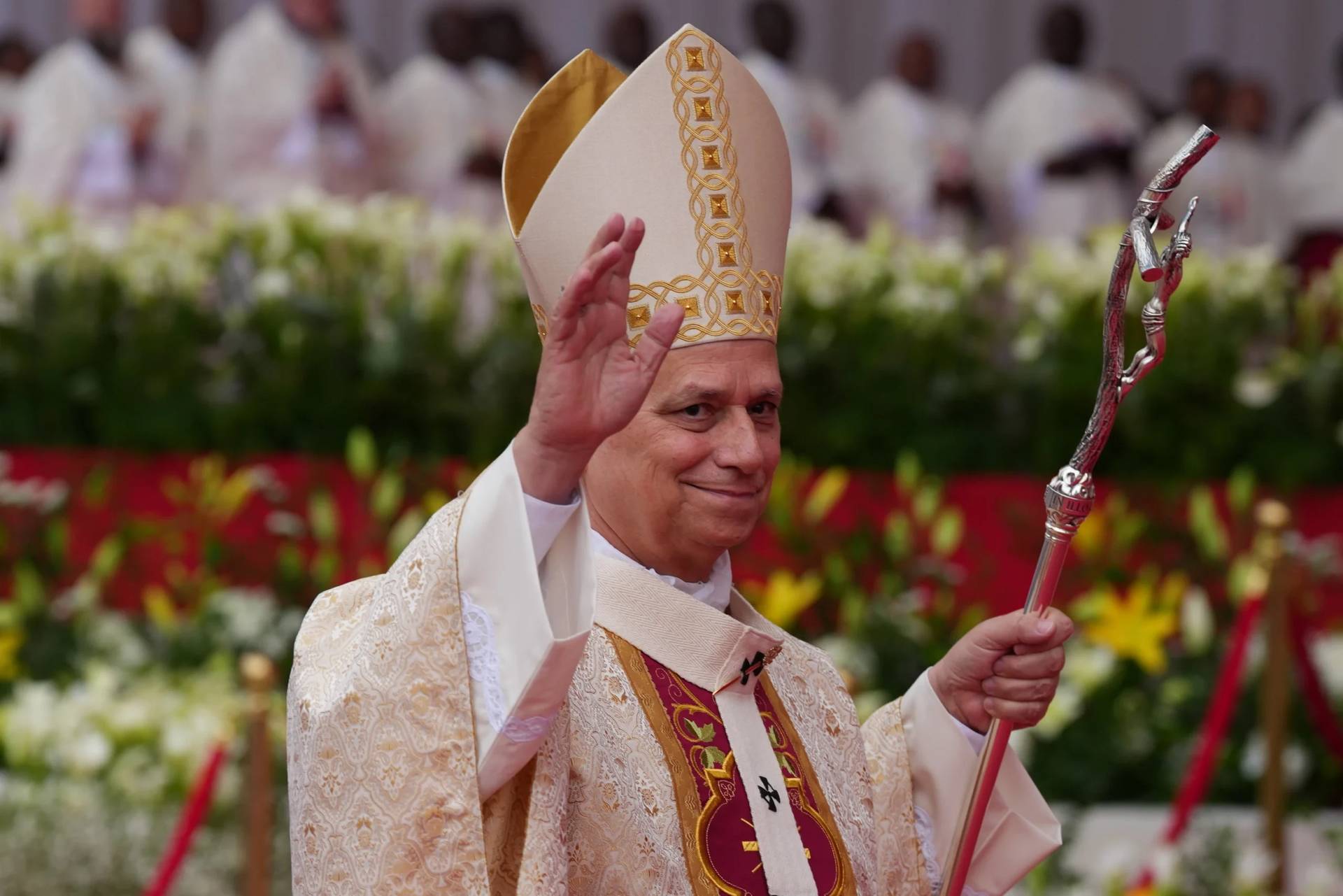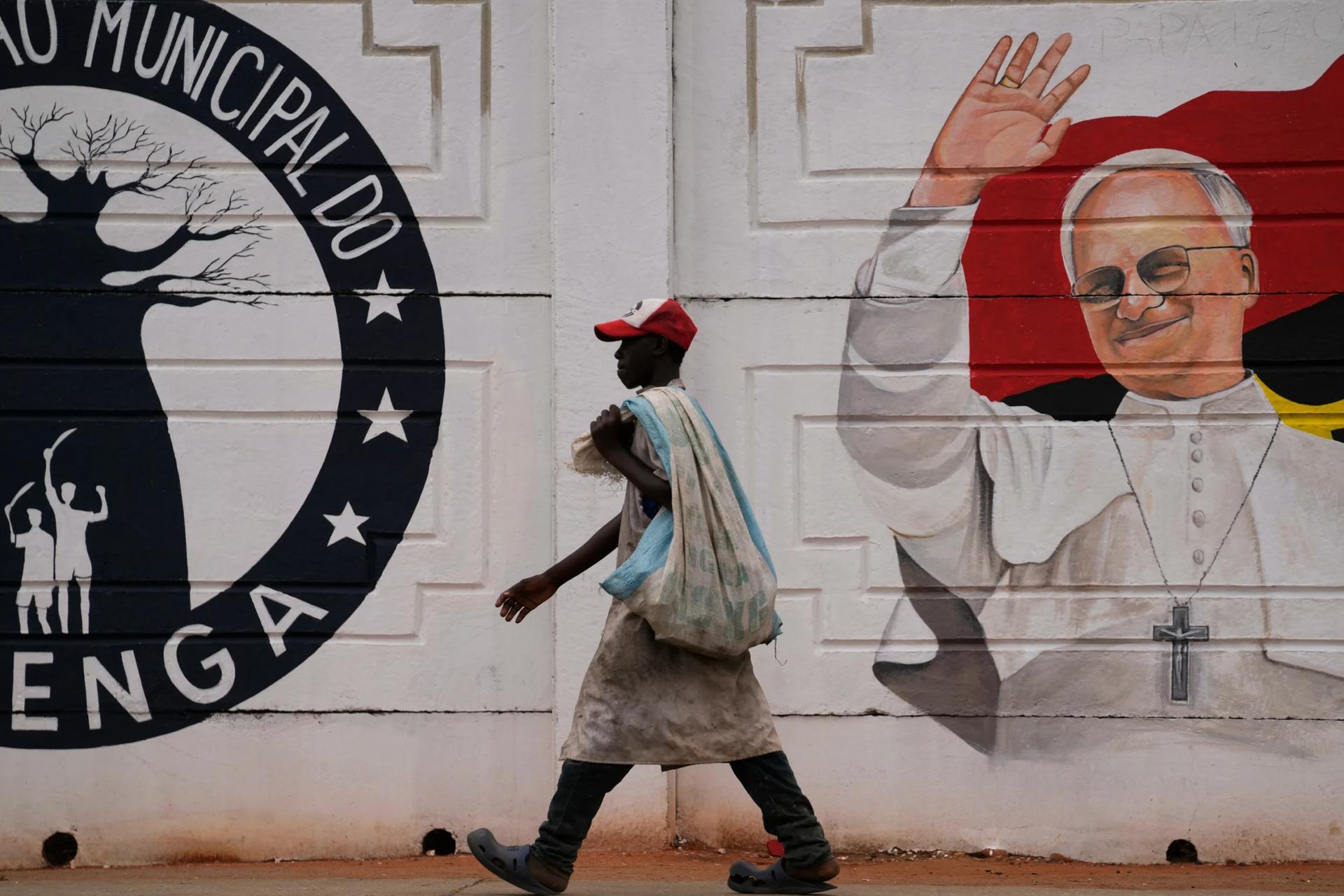
LUANDA – When Pope Leo XIV arrives in oil-rich Angola on Saturday, he will likely bring a message of both condemnation and encouragement to a nation where the faith is rapidly growing, amid widespread inequality and a legacy of war.
In comments to Catholic charitable organization Aid to the Church in Need, Bishop António Jaca of Benguela in the west, said the legacy of the nation’s war for independence from Portugal, which ended in 1975, are still felt, and that while progress has been made, there is still a lot to be done.
“Those were long years of suffering. But peace is also about development and social harmony, so there is still a long way to go,” Jaca said.
Speaking of widespread poverty in the nation, he lamented that the current economic situation in Angola was “still very, very difficult,” saying, “We have high levels of unemployment and criminality, which is no doubt a consequence of unemployment and an idle youth.”
“Most families survive on fragile income and informal trade,” he said, saying, “There is no peace in society without peace among families, and for that families must have enough to get by.”
Angola is an oil-rich nation, boasting of immense natural resources and varied terrain, such as tropical beaches, a labyrinth of rivers, and the Sub-Saharan desert. Despite its natural wealth, vast swaths of the population of just over 40 million live in extreme poverty.
Corruption and exploitation are blamed as the main contributing factors and will likely be key talking points for Pope Leo during his two-and-a-half-day visit.
The largest Portuguese-speaking country after Brazil, Angola is still predominantly Portuguese-speaking. Pope Leo will deliver the majority of his speeches in Portuguese, marking the first time he has spoken the language publicly as pontiff.
Angola is an overwhelmingly Christian nation, with over 90 percent of the population of 40 million identifying as Christian. Roman Catholicism is the largest denomination, with some 40-55 percent of the population identifying as Catholic, whereas just under 30 percent are Protestant.
A difficult social reality
Angola, despite its vast natural wealth, suffers from severe poverty, with over half the population, around 53 percent, living on less than $4 a day, despite the fact that it is a major oil producer.
Sharp disparity in equality, which Pope Leo has repeatedly condemned, including in a homily in Cameroon’s financial hub, Douala, coupled with high food prices and a heavy reliance on imports has compounded the crisis.
Rural areas feel the impact more, with some 11.1 million people in 2020 estimated to be living on less than $2.15 a day, while navigating high levels of inflation.
Angola has also been gripped in recent years by mass protests erupting in August 2025 over a government reduction in fuel subsidies, and an increase in diesel prices. The protests turned chaotic, with demonstrators looting and burning tires in the streets.
The unrest marked the works period of upheaval in Angola since the 1977 coup and a round of violent reaction to the country’s 1992 elections, as the country has also been fighting with dictatorial leadership for decades.
An estimated tens of thousands of Angolans died in both instances, compounding violence and societal divisions rooted in its 1975-2002 war for independence.
In addition, Angola has been under increasing pressure from the International Monetary Fund (IMF) to tighten its budget since 2023, when it last cut fuel subsidies, in a bid to curb rampant poverty.
Political leadership in Angola has also been an ongoing source of controversy, as President João Lourenço, elected in September 2017, succeeded longtime president José Eduardo dos Santos, who held office for a considerable 38 years.
A member of Angola’s MPLA party, he was re-elected for a second term in 2017, with pledges of economic reforms, anti-corruption campaigns, and a commitment to foreign diplomacy.
Pope Leo a messenger of change
Given Angola’s many varied challenges, many are hoping that Pope Leo’s visit will mark a catalyst for change, especially with the country’s large younger demographic.
Archbishop Filomeno Nascimento of Luanda told ACN the pope’s visit is especially important for young people, who represent some 60 percent of the country.
“The Pope is visiting Angola at a time when you are young, full of energy, dreams and enthusiasm,” he said, urging youth to “Embrace the Holy Father and welcome him with the energy that is proper of your age.”
He told young people to show the pope “how strong, beautiful and full of dreams the Angolan youth is. Show him how faith molds and animates your lives, how it helps you to swim against the tide, against the life’s challenges and to believe that with effort, discipline and sacrifice you can build a different future.”
After his arrival to Luanda Saturday, Pope Leo will meet privately with President João Lourenço, before meeting with national authorities and members of the diplomatic corps. He will then hold a private meeting with local bishops to close out his first day in Angola.
On Sunday, he will preside over Mass in Kilamba, a planned urban development some 30km south of Luanda. Later that day, he will hold a rosary prayer at the esplanade in front of the “Mama Muxima” Shrine.
He is scheduled to visit a nursing home, celebrate Mass at the Saurimo esplanade, and then meet with bishops, priests and consecrated in Angola. He will depart for Equatorial Guinea the next day.
Leo’s visit to the Muxima shrine is considered especially significant, as it marks both a source of hope, but also a painful legacy in Angolan society, as it was once a baptism hub for slaves being sent to Europe.
The Church of Our Lady of Muxima was built at the end of the 16th century by the Portuguese, and became a popular pilgrimage destination after reports of an appearance by the Virgin Mary around 1833.
It was originally part of a fortress compound which later became a hub in the slave trade, where Angolans were baptized before being made to walk to Angola’s main port of Luanda to be put on ships to the Americans, making the church both a source of spiritual inspiration, but also a reminder of the complicated history of Catholicism in the nation and the exploitation of the African continent.
Angola, despite its large Catholic population, is also considered to be under-represented in the global church, as its former colonizer, Portugal, with a population of close to 11 million, around a quarter of Angola’s population, has six living cardinals, whereas Angola has none.
Pope Leo’s visit, then, is expected to shed a light on the plight of the local population suffering from poverty and corruption, but also on an area of the world with one of the youngest, and fastest growing Catholic populations in the world.
Follow Elise Ann Allen on X: @eliseannallen